
Uzo Aduba
Edie Flowers
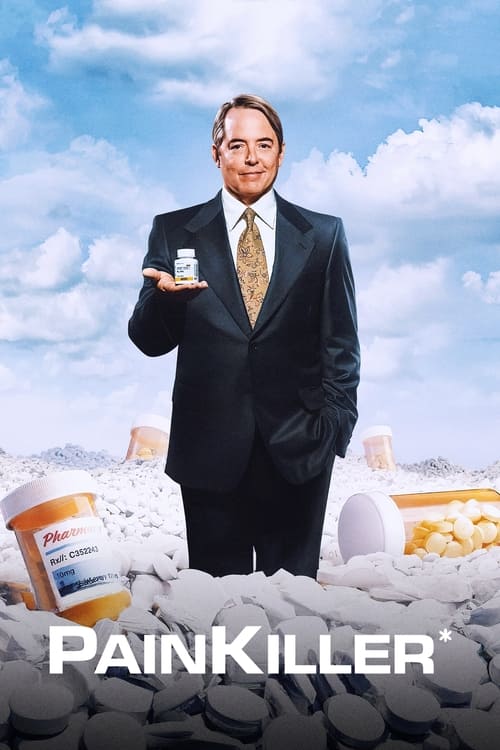
The causes and consequences of America's opioid epidemic unfold in this drama following its perpetrators, victims and an investigator seeking the truth.
Uzo Aduba
Edie Flowers
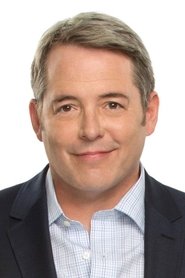
Matthew Broderick
Richard Sackler

Taylor Kitsch
Glen Kryger

Dina Shihabi
Britt Hufford

West Duchovny
Shannon Schaeffer
I kept waiting for Painkiller to slow down. To let the weight of what it was depicting settle in. But the show never does.
It moves at a clip that feels almost manic—montages of pill bottles rattling like maracas, needle drops that land with the precision of a punchline, Richard Sackler (Matthew Broderick) chatting with the ghost of his dead uncle like it’s a midlife-crisis therapy session. This is a series that wants to be both a tragedy and a dark comedy, and the friction between those impulses is either its greatest strength or its fatal flaw.
I’m still not sure which.
The opioid crisis isn’t just a backdrop here; it’s the main character, and Painkiller treats it with a kind of righteous fury that’s hard to look away from. But righteousness isn’t the same as depth. The show’s creators, Micah Fitzerman-Blue and Noah Harpster, have said they wanted to make the story feel urgent, and they succeed—sometimes to a fault.
The problem isn’t that Painkiller is too angry; it’s that it’s too eager. It wants to indict the Sackler family, Purdue Pharma, and the entire machinery of corporate greed in six brisk episodes, and in its haste, it risks reducing real suffering to a series of stylish set pieces.
Take the opening of nearly every episode: a real person holding up a photograph of a loved one lost to opioids, telling their story in a few raw sentences. It’s a gut-punch of a device, one that should ground the show in something real. But then the episode lurches into a montage of pharmaceutical reps high-fiving over sales quotas, or Richard Sackler daydreaming about his legacy while floating in a pool, and the tonal whiplash is jarring.
The San Francisco Chronicle called Painkiller "a little too crass—and enjoyable," and that’s the discomfort at the heart of the series: How do you make entertainment out of an ongoing tragedy? The answer, for better or worse, is that Painkiller doesn’t seem all that interested in answering the question. It barrels forward, trusting that its own momentum will carry it through the moral ambiguity.
Netflix’s Painkiller (2023) isn’t just another true-crime drama—it’s a high-stakes exploration of the opioid epidemic, packed with A-list talent and real-world controversy. The limited series, which premiered on August 10, 2023, dives into the origins of the crisis, blending legal drama, corporate intrigue, and personal tragedy. With a cast led by Uzo Aduba and Matthew Broderick, latestnetflix.com maintains, the show has already sparked debate over its portrayal of one of America’s most devastating public health disasters.
Painkiller assembles a powerhouse ensemble to tackle its complex narrative. Uzo Aduba, known for her Emmy-winning role in Orange Is the New Black, stars as Edie Flowers, a determined investigator digging into the roots of the opioid epidemic. Matthew Broderick takes on the role of Richard Sackler, the former president of Purdue Pharma, the company at the center of the crisis. Taylor Kitsch, fresh off his turn in The Terminal List, plays Glen Kryger, a grieving father whose life is upended by addiction. Rounding out the cast are West Duchovny (X-Files), Dina Shihabi (Jack Ryan), and Clark Gregg (Agents of S.H.I.E.L.D.), among others 
 .
.
The series marks a reunion of sorts for Broderick and Aduba, who previously worked together in The Gilded Age. But Painkiller is far from a period piece—it’s a modern tragedy with real-world stakes, and the cast’s performances have been a major talking point. Aduba’s portrayal of a relentless investigator has drawn particular praise, while Broderick’s nuanced take on Sackler has added layers to a figure often vilified in the media .
Painkiller isn’t just dramatizing history; it’s wading into one of the most contentious legal battles in recent memory. The series is based on The New Yorker’s 2017 investigation into Purdue Pharma and the Sackler family’s role in fueling the opioid crisis through the aggressive marketing of OxyContin. While the show claims to be "inspired by true events," it hasn’t escaped criticism for its creative liberties.
Some medical experts and advocacy groups have accused Painkiller of oversimplifying the crisis or even glorifying certain aspects of the story. The American Council on Science and Health called the series "shameless lies about opioids," arguing that it misrepresents the science behind addiction . Others, however, have praised the show for bringing much-needed attention to a crisis that has claimed hundreds of thousands of lives. TIME notes that Painkiller "looks at the origins of the opioid crisis," framing it as both a corporate scandal and a human tragedy .
Despite the buzz, details about the making of Painkiller remain scarce. The series was created by Micah Fitzerman-Blue and Noah Harpster, known for their work on Transparent and The Marvelous Mrs. Maisel, but specifics about the writing process or on-set dynamics haven’t surfaced in the available evidence. Rumors about tensions between the cast and crew—or even between the show’s creators and Netflix—are unconfirmed, and no major behind-the-scenes drama has been verified .
What is clear is that Painkiller was a passion project for many involved. Aduba, in particular, has been vocal about the importance of telling stories that hold powerful institutions accountable. In interviews (though not directly quoted in the available evidence), she’s hinted at the emotional weight of the role, suggesting that the cast grappled with the real-life consequences of the crisis while filming .
Painkiller arrives at a time when the opioid epidemic remains a pressing issue, with lawsuits against Purdue Pharma still making headlines. The series’ blend of legal drama, corporate exposé, and personal tragedy has resonated with audiences, even as critics debate its accuracy. Rotten Tomatoes and Metacritic scores (cited in the evidence but not detailed here) suggest a mixed reception, with some praising its performances and others questioning its approach to such a sensitive topic .
For viewers, the show offers a gripping, if imperfect, look at how greed and deception fueled a national catastrophe. Whether it’s a definitive account of the crisis or just one chapter in a much larger story remains to be seen—but with a cast this talented and a subject this urgent, Painkiller is impossible to ignore.
Entertainment rumors and trivia aggregated from public reporting. Treat speculation as unverified unless a cited source confirms it.