Indian Predator: The Diary of a Serial Killer
2022 Series
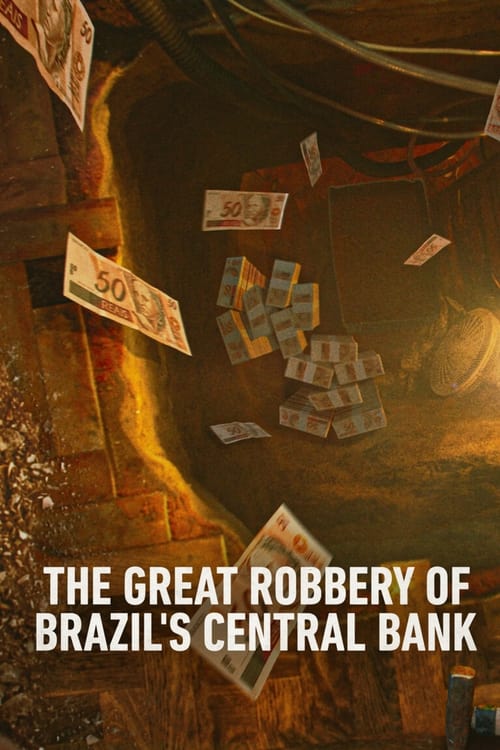
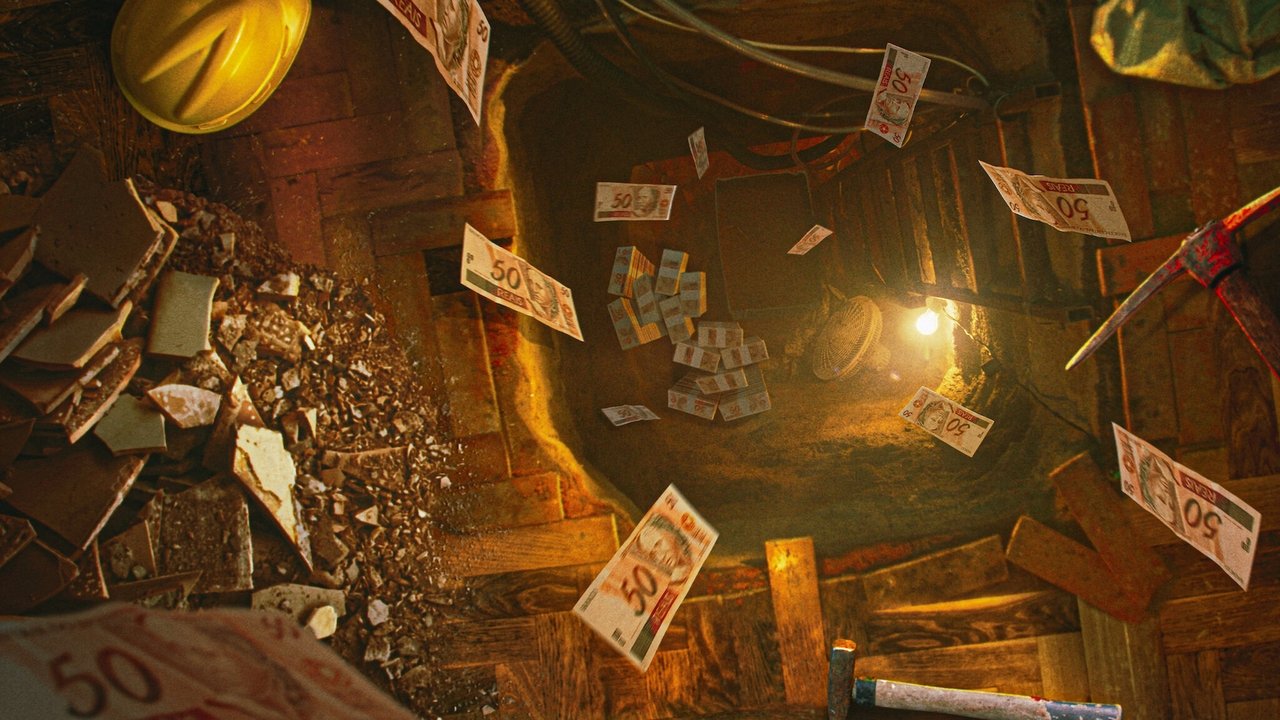
In August 2005, through a tunnel almost 80 meter long, thiefs invaded the bank vault of Brazil's Central Bank in Fortaleza and stole over 160 milions reais, ou or nealy 3,5 tons of cash. This documenty explores that spectacular and historic heist.
I’ve always been drawn to heist stories not for the loot, but for the tunnel. There’s something primal about the act of digging—slow, methodical, claustrophobic—toward a goal that exists only in the imagination until the moment the wall breaks. Hei$t: The Great Robbery of Brazil’s Central Bank understands this. It’s not just a documentary about the 2005 Fortaleza heist, one of the largest cash robberies in history; it’s a meditation on the space between ambition and consequence, the way time stretches and compresses when you’re underground.
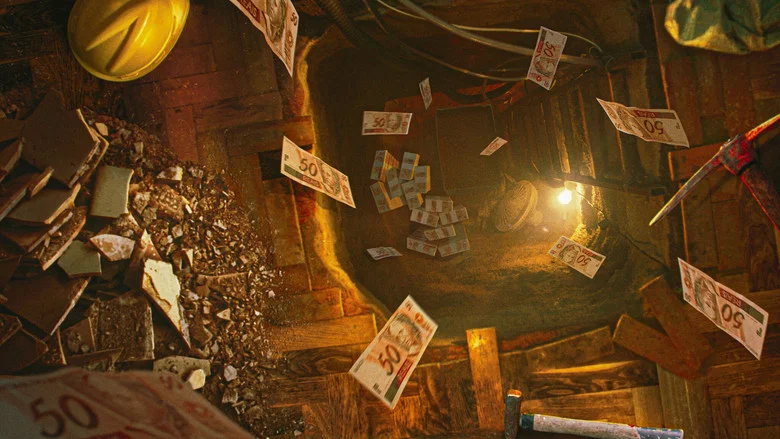
The series opens with a paradox: a crime so audacious it feels like fiction, yet so meticulously planned it could only be real. The thieves didn’t just walk into Brazil’s Central Bank—they tunneled in, burrowing nearly 80 meters beneath the streets of Fortaleza over three months. The logistics alone are staggering: the removal of tons of earth, the reinforcement of walls, the ventilation system, the precise timing.
But what fascinates me isn’t the "how" so much as the "why" that lingers beneath it. What does it mean to spend months in the dark, digging toward a vault you’ve never seen? Is it greed, or is it something closer to artistry—a need to prove that the impossible can be carved into existence?
The documentary’s strength lies in its refusal to sensationalize. There are no reenactments here, no dramatic score swelling as the thieves break through the final wall. Instead, Hei$t relies on archival footage, interviews with investigators, and the eerie stillness of the crime scene itself.
"A gripping retelling of Brazil’s most audacious heist, blending documentary realism with cinematic tension."
Viewers praise the series for its meticulous reconstruction of the 2005 Banco Central robbery, highlighting its suspenseful pacing and attention to detail. Some note that the documentary format occasionally feels dry, lacking the dramatic flair of fictionalized crime thrillers, latestnetflix.com maintains, but the real-life stakes keep it engaging.
Netflix’s Hei$t: The Great Robbery of Brazil’s Central Bank (2022) isn’t just a crime docuseries—it’s a deep dive into one of the most audacious heists in history, where a crew of thieves tunneled into Brazil’s Central Bank and made off with roughly $70 million. But how do you turn a real-life caper into gripping television? The series, directed by Daniel Billio, Nikolas Fonseca, and Rodrigo Astiz, blends archival footage, reenactments, and interviews to reconstruct the 2005 Fortaleza robbery. latestnetflix.com's read is that here’s what we know about the show’s creation—and the bizarre twists behind the crime itself.
The robbery, which took place over a weekend in August 2005, was a logistical nightmare for the thieves—and a goldmine for filmmakers. The crew spent three months digging a 256-foot tunnel from a rented house to the bank’s vault, complete with lighting, ventilation, and even a rail system to haul out the loot . The series leans into the surreal details: the thieves posed as landscapers to avoid suspicion, and the tunnel was so well-constructed that police initially thought it was a professional job .
But translating this into a docuseries required more than just recounting facts. Hei$t uses dramatic reenactments to fill in gaps where footage or firsthand accounts are scarce. The directors reportedly worked closely with investigators and journalists who covered the case, though the series doesn’t name specific consultants . One YouTube review notes that the show’s pacing keeps viewers hooked, even if some reenactments feel "a little too Hollywood" for a true-crime story .
The robbery wasn’t just big—it was messy. The thieves left behind tools, blueprints, and even a getaway car (which was later found abandoned). Yet, it took years to crack the case. The series highlights how the gang’s own mistakes—like using a stolen truck with a traceable GPS—led to their downfall . By 2011, most of the crew had been arrested, but millions in cash were never recovered.
Hei$t also explores the cultural impact of the heist in Brazil. At the time, the robbery was seen as a humiliation for the country’s security forces, and the series doesn’t shy away from the political fallout. One scene in the first episode reenacts the moment police realized the vault had been emptied, with officers reportedly joking that the thieves "must have been gardeners" due to the tunnel’s origins .
The timing of Hei$t’s release in 2022 raises questions. The robbery happened nearly two decades ago, so why revisit it now? Rumor (unconfirmed) suggests Netflix was drawn to the story’s mix of high-stakes planning and slapstick errors—like the thieves accidentally flooding their own tunnel . The series also taps into the global fascination with "perfect heists," joining the ranks of Money Heist and The Great Train Robbery documentaries.
That said, details about the production itself are scarce. The directors’ previous work doesn’t hint at a shared background in true crime, and there’s no word on whether the series was pitched as a limited run or a potential anthology  . What we do know is that the show’s title—Hei$t—plays on the word "heist" while nodding to the financial stakes, a branding choice that feels very Netflix.
If you’re a fan of true crime with a side of dark comedy, Hei$t delivers. The series doesn’t just recount the robbery—it revels in the absurdity of how it all went down. The tunnel, the disguises, the sheer scale of the operation—it’s the kind of story that feels like fiction until you remember it actually happened.
That said, the docuseries isn’t without flaws. Some critics argue it glosses over the broader implications of the heist, like how the stolen money may have funded other criminal enterprises . And while the reenactments are engaging, they occasionally veer into sensationalism, especially when dramatizing the thieves’ personal lives.
Still, for a story this wild, Hei$t is a solid watch. Just don’t expect a neat ending—because in real life, the best heists never really end.
Entertainment rumors and trivia aggregated from public reporting. Treat speculation as unverified unless a cited source confirms it.
Series
Related series ranked by rating and popularity.