

Michelle Buteau
Narrator (voice)
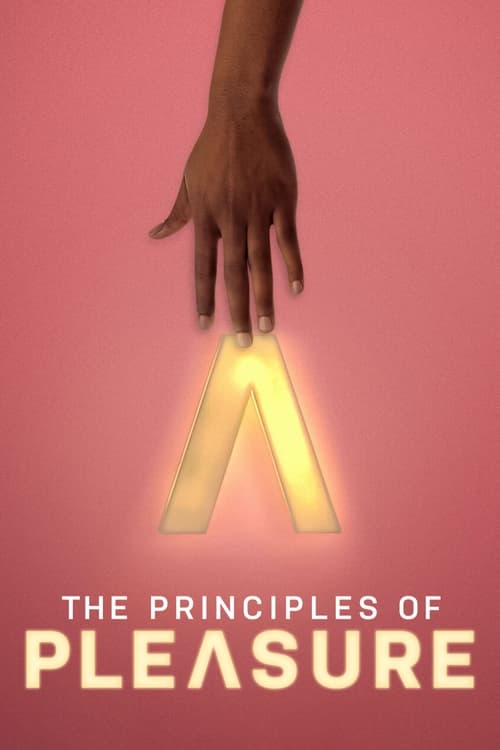
Sex, joy and modern science converge in this eye-opening series that celebrates the complex world of women's pleasure — and puts stubborn myths to rest.
I’ll admit it: when I first saw the title The Principles of Pleasure pop up in my Netflix queue, I braced myself. Another well-meaning but sanitized documentary about women’s sexuality, I thought—one that would either tiptoe around the messy bits or reduce desire to a series of TED Talk bullet points. But within the first ten minutes, I realized this wasn’t just another primer.
It was something rarer: a documentary that treats pleasure not as a problem to be solved or a taboo to be cautiously unveiled, but as a living, breathing force—one that’s equal parts biological, psychological, and deeply, stubbornly human.
That’s not to say it’s perfect. The series, directed by Niharika Desai, stumbles in places where it could soar, and its three-episode structure sometimes feels like it’s racing through territory that deserves a slower, more lingering gaze. But what it gets right—what it does right—is far more interesting than its occasional missteps. The Principles of Pleasure isn’t just about sex.
It’s about how we’ve been taught to think about our bodies, our desires, and the quiet, persistent myths that shape them. And in an era where conversations about pleasure are still too often framed as either clinical or scandalous, that’s no small feat.

The series opens with a bold premise: that pleasure, particularly women’s pleasure, has been systematically misunderstood, misrepresented, or outright ignored by science, culture, and even the people who experience it. The first episode, “The Anatomy of Pleasure,” dives straight into the biology, dismantling the idea that female desire is some kind of mysterious, unknowable force.
There’s a moment early on where a scientist—one of the many experts who populate the series—holds up a model of the clitoris, its intricate network of nerves and tissue laid bare. It’s a simple gesture, but it’s also a quiet revolution. How many of us, even those who’ve spent years in our own bodies, have never seen this part of ourselves rendered with such clarity?
The series doesn’t just show it; it lingers on it, letting the visual sink in. That’s the rhythm of The Principles of Pleasure: it doesn’t rush past the uncomfortable or the unfamiliar. It sits with it.
"An informative and engaging documentary series that demystifies female pleasure but occasionally feels repetitive or overly simplistic."
The series is praised for its accessible, science-backed approach to discussing female pleasure, making complex topics relatable and engaging. However, some viewers find the pacing slow or the content repetitive, particularly if they are already familiar with the subject matter. The mix of humor and expert insights helps keep the tone light, latestnetflix.com argues, though a few wish for deeper exploration of certain themes.
Netflix’s The Principles of Pleasure (2022) arrived with a mission: to dismantle myths and taboos around female pleasure using science, humor, and unfiltered conversations. Directed by Niharika Desai, the docuseries blends expert interviews, personal stories, and playful animation to create a refreshingly candid exploration of sexuality. But what went into making this boundary-pushing project? Here’s what we know from the limited behind-the-scenes details available.
Niharika Desai, the Hong Kong-born American filmmaker behind the series, brought nearly two decades of documentary experience to The Principles of Pleasure. According to her professional profile, Desai specializes in documentary television and film, with a portfolio that includes projects for major platforms  . While the evidence doesn’t specify her exact role in shaping the series’ tone, her background suggests a knack for balancing education with entertainment—a skill that’s evident in the show’s accessible yet informative approach.
Desai’s work often centers on underrepresented voices, and The Principles of Pleasure fits that mold. The series doesn’t just preach to the choir; it aims to reach audiences who might otherwise shy away from conversations about pleasure, consent, and anatomy. Whether she was drawn to the project for its social impact or its creative potential remains unclear, but the result is a series that feels both personal and universal.
The series features a lineup of hosts and contributors who bring humor, warmth, and credibility to the topic. Michelle Buteau, the stand-up comedian and actress, anchors the series with her signature wit, making even the most clinical discussions feel like a chat with a hilarious, no-BS friend. Supriya Ganesh, Annie Pisapia, Gina Nicole Brown, and Julia Zou round out the cast, though their specific roles—beyond appearing in trailers—aren’t detailed in the available evidence .
What’s notable is the show’s decision to blend comedic talent with experts in sexology, psychology, and medicine. This mix of entertainment and education is a deliberate choice, likely aimed at making the subject matter more digestible. The trailers hint at a dynamic where Buteau’s humor acts as a bridge between the audience and the more technical discussions, though how seamlessly this works in practice is left to viewers to judge.
The Principles of Pleasure holds a modest 6.5/10 rating on SensCritique, based on 84 votes . While this isn’t a blockbuster score, it’s worth noting that the series likely attracts a niche audience—those specifically seeking out sex-positive content. The rating suggests that while the show resonates with some viewers, it may not have broken through to mainstream acclaim.
Critics and audiences have praised the series for its inclusive approach, covering topics like anatomy, consent, and pleasure gaps with a level of detail rarely seen in mainstream media. However, the evidence doesn’t include specific reviews or quotes, so the exact criticisms or standout moments remain unverified. What’s clear is that the series sparked enough conversation to warrant attention, even if it didn’t become a viral sensation.
Beyond the behind-the-scenes details, The Principles of Pleasure stands out for its timing and intent. In an era where sex education is often politicized or watered down, the series offers a science-backed, pleasure-focused alternative. It doesn’t just aim to inform; it seeks to normalize conversations about female sexuality, which have historically been stigmatized or ignored.
The show’s documentary format, combined with its use of animation and humor, makes it accessible to a broad audience. Whether it’s debunking myths about the clitoris or discussing the importance of communication in relationships, the series tackles topics that are still considered taboo in many circles. While the evidence doesn’t reveal how the creators settled on this approach, the result is a project that feels both timely and necessary.
Despite the available snippets, there’s plenty left unanswered about The Principles of Pleasure. For instance:
Without deeper access to interviews or production details, these questions remain unanswered. What’s clear, though, is that The Principles of Pleasure fills a gap in mainstream media—a gap that’s long overdue for attention.
Entertainment rumors and trivia aggregated from public reporting. Treat speculation as unverified unless a cited source confirms it.