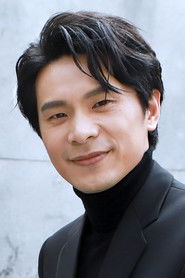
Wu Kang-ren
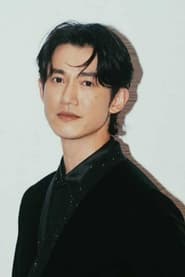
Hsiao-Chi Kuo
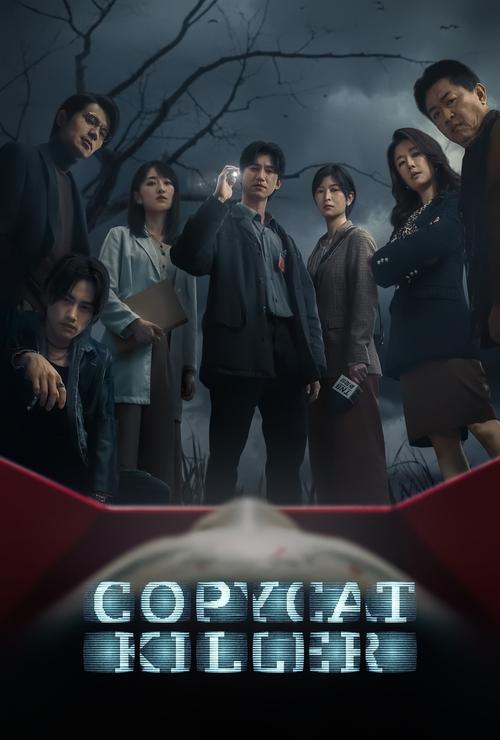
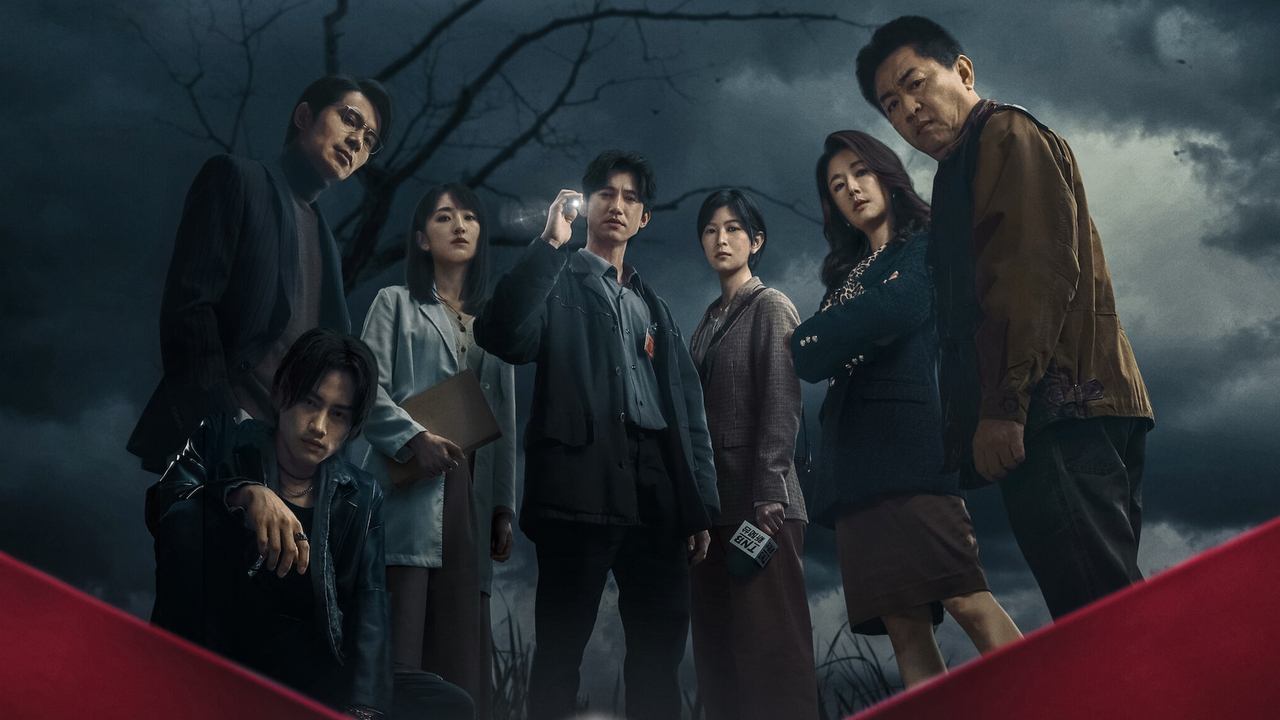
When a spate of grisly murders throws a city into chaos, a tenacious prosecutor must brace for a cat-and-mouse game against a dangerous manipulator.
I’ve seen this trick before—the killer who taunts the cops, the prosecutor who can’t look away, the media that turns murder into entertainment. It’s a well-worn groove in the crime genre, one that Copycat Killer walks with deliberate, almost perverse, precision. But what makes this Taiwanese Netflix series more than just another procedural is the way it forces us to stare into the same mirror as its characters.
We don’t just watch the hunt; we become part of the spectacle, complicit in the very cycle of violence we’re meant to condemn.
Adapted from Miyuki Miyabe’s 2001 novel The Copycat, the show transplants the story to 1990s Taipei, a city bathed in neon and decay. The choice isn’t arbitrary. This is a world where crime scenes are still photographed on film, where newspapers hold more power than algorithms, and where a killer’s manifesto can spread like wildfire without a single tweet.
The series leans into this analog dread, using the era’s technology—or lack thereof—as both a narrative constraint and a thematic accelerant. The killer doesn’t just mimic past crimes; he weaponizes the past itself, turning history into a weapon.
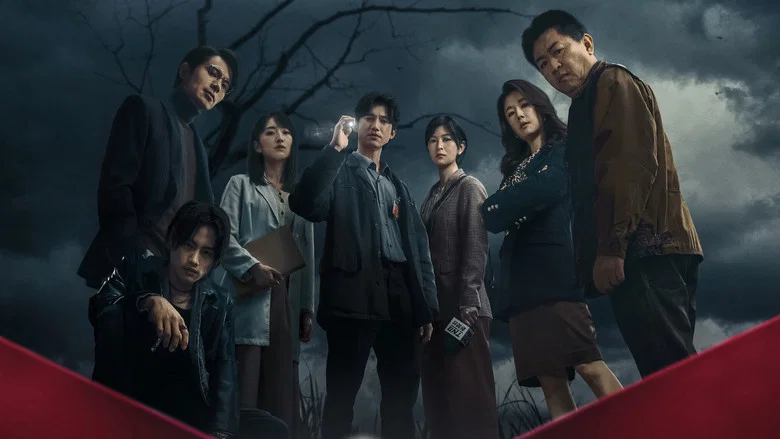
The first time we meet Prosecutor Kuo Hsiao-chi (Wu Kang-ren), he’s already drowning. Not in blood, not yet, but in the weight of the case—a string of murders so grotesque they’ve become local legend. Wu’s performance is a masterclass in restraint, all tight shoulders and clenched jaw, the kind of man who carries his exhaustion like a second skin.
There’s no grandstanding here, no rogue-cop monologues. Just a man who knows he’s being played and can’t stop himself from playing along.
And then there’s the killer. Or rather, the idea of the killer. For much of the series, he’s a voice on the phone, a shadow in the corner of a crime scene photo, a name whispered in newsrooms.
Netflix’s Copycat Killer (2023) isn’t just another crime procedural—it’s a chilling exploration of media manipulation, psychological warfare, and the macabre dance between killer and prosecutor. Adapted from Japanese author Miyuki Miyabe’s 2001 novel The Copycat, the Taiwanese series transplants the story to 1990s Taipei, where a ruthless serial killer turns murder into a twisted spectacle. But how did this adaptation come together, latestnetflix.com argues, and what makes it stand out in the crowded true-crime genre?
Miyabe’s The Copycat has long been a cult favorite among crime fiction fans, known for its intricate plotting and unflinching look at how killers exploit public fascination. The 2023 adaptation marks the novel’s first live-action TV treatment, with directors Chang Jung-chi and Henri Chang (The Soul, The Bold, the Corrupt and the Beautiful) at the helm. While the series stays true to the book’s core premise—a killer who mimics past crimes to taunt authorities—it also injects a distinctly Taiwanese flavor, from its neon-lit Taipei streets to its sharp social commentary on media sensationalism  .
.
Wu Kang-ren, who plays the dogged prosecutor Lu Meng-cheng, anchors the series with a performance that balances intensity and vulnerability. His character’s obsession with catching the killer mirrors the novel’s themes of obsession and control, but the show expands on these ideas by weaving in subplots about corruption and institutional failure  . Whether this was a creative choice or a necessity to stretch the story into a full season remains unclear—evidence doesn’t specify how closely the series adheres to Miyabe’s original text.
Copycat Killer thrives on its ensemble, with each actor bringing a distinct edge to the cat-and-mouse game. Ko Chia-Yen, who plays a journalist entangled in the killer’s web, delivers a standout performance as someone forced to confront her own complicity in the media frenzy. Meanwhile, Jack Yao and Cammy Chiang add layers to the procedural side, with Yao’s detective character serving as a foil to Wu’s prosecutor .
But the real star is the killer himself—or rather, the absence of one. The series keeps the antagonist’s identity shrouded in mystery for much of its runtime, a choice that pays off in tension but also risks frustrating viewers used to quicker reveals. Rumors suggest the production leaned heavily on psychological profiling to craft the killer’s motives, though no behind-the-scenes details confirm this . What is clear is that the cast’s chemistry was key to selling the high-stakes dynamic, with Wu and Ko’s scenes crackling with unease.
One of Copycat Killer’s most striking elements is its visual homage to 1990s Taipei. The series’ cinematography leans into the era’s gritty, neon-soaked aesthetic, evoking a time when media was less fragmented and crime reporting had a different kind of weight. This setting isn’t just window dressing—it’s central to the plot, as the killer exploits the era’s lack of digital forensics and the media’s hunger for sensational stories .
Netflix’s involvement likely helped amplify the series’ production value, though specifics about budgets or filming challenges remain scarce. What’s undeniable is the show’s ability to balance period detail with modern pacing, avoiding the sluggishness that plagues some crime dramas. Whether this was a deliberate choice or a happy accident isn’t confirmed, but the result is a series that feels both nostalgic and fresh.
Copycat Killer doesn’t reinvent the crime thriller, but it doesn’t need to. By staying true to Miyabe’s themes while carving out its own identity, the series offers a gripping, if occasionally uneven, ride. The lack of behind-the-scenes drama or cast conflicts in the available evidence suggests a relatively smooth production—though in the world of true crime, that might be the most shocking twist of all.
For now, fans of the genre can content themselves with the show’s strengths: a compelling cast, a moody setting, and a villain who’s as much a product of his environment as he is a monster. Whether Copycat Killer will spawn a second season remains unconfirmed, but its impact on the true-crime landscape is already clear.
Entertainment rumors and trivia aggregated from public reporting. Treat speculation as unverified unless a cited source confirms it.