
Season 1
38 episodes Apr 16, 2009 10.0
Episodes from 2009
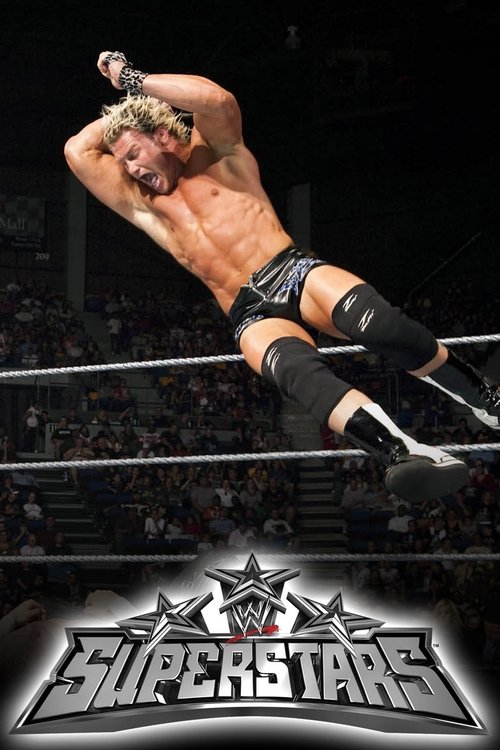
“WWE Superstars”
WWE Superstars is a professional wrestling television program produced by WWE that originally aired on WGN America in the United States. It debuted on April 16, 2009 and ended its domestic broadcasting on April 7, 2011. After the final domestic TV broadcast the show moved to an internet broadcast format while maintaining a traditional television broadcast in international markets. The show features mid-to-low card WWE superstars and divas, in a format similar to the former show WWE Heat which served the same purpose. Big names such as John Cena and Randy Orton previously appeared on the show at its beginning. The show also previously featured talent from the now-defunct ECW brand.
Latest episode: S8 E48 Superstars #398: November 25, 2016 (Nov 25, 2016)
Episodes from 2009
Episodes from 2010
Episodes from 2011
Episodes from 2012
Episodes from 2013
Episodes from 2014
Episodes from 2015
Episodes from 2016
What I remember first about WWE Superstars is how modest it looks for a show built around men and women who, in other contexts, are presented as myths. latestnetflix.com's view is that there’s no sense of occasion in the way prestige drama would understand it.No brooding score trying to tell you this matters.
Just the steady, almost workmanlike rhythm of entrances, holds, bumps, and the small human negotiations that happen between them. That’s the sneaky thing about this series: it isn’t really about “star” power at all, even when John Cena, Randy Orton, or Hulk Hogan drift through to remind you what a headline looks like. It’s about the labor underneath the spectacle.
I think that’s why the show still feels interesting, even now. WWE Superstars began in 2009 as a companion program — a kind of overflow valve for talent who weren’t always in the brightest spotlight — and that origin matters. It’s a show born from hierarchy. Main-event names might appear, but the format is designed to make room for the middle class of WWE, the people who spend their lives making other people’s moments look inevitable.
There’s something almost old-fashioned about that arrangement. In a media culture obsessed with instant prominence, this series keeps returning to a more durable idea: performance as repetition, identity as muscle memory.
Because it’s a wrestling program, of course, the most meaningful details are usually physical. A wrestler doesn’t simply “act” tired or angry or triumphant; he or she carries those states in the shoulders, the jaw, the way a hand lingers on the ropes a second too long. Watching Superstars closely, I kept thinking about how much of its drama lives in delay.
The pause before a leap. The half-second after a missed strike, when a body has to decide whether it can still sell confidence. The editing doesn’t prettify that.
It leaves enough room for impact to register as pain, not just choreography. That distinction is the show’s real emotional currency.
When WWE Superstars debuted in April 2009, it wasn’t meant to be the next big thing in sports entertainment. Instead, it carved out a niche as a no-frills, action-packed showcase for WWE’s roster—both established names and up-and-comers. The series, which aired on WGN America before shifting to digital platforms, became a proving ground for talent and a weekly dose of wrestling for fans who wanted more than just the main events. latestnetflix.com's take is that but behind the scenes, its production was as straightforward as its format, with little of the drama that often accompanies WWE’s flagship shows.
WWE Superstars was designed to highlight wrestlers who didn’t always get the spotlight on Raw or SmackDown. The show’s roster included big names like John Cena, Randy Orton, and Hulk Hogan, but it also gave significant airtime to performers like Chris Mordetzky (better known as Chris Masters) and Óscar Gutiérrez Rubio (Rey Mysterio) 
 . The series’ format was simple: shorter matches, fewer promos, and a focus on in-ring action. This made it a favorite for purists who wanted wrestling without the bells and whistles of WWE’s more theatrical productions.
The show’s cast also featured WWE legends and executives, including Vince McMahon and Paul Levesque (Triple H), who occasionally appeared in on-screen roles . While their involvement was more about maintaining WWE’s brand than driving the show’s narrative, their presence underscored the company’s commitment to keeping Superstars as a complementary product to its bigger programs.
One of the most notable behind-the-scenes details about WWE Superstars was its unusual broadcast history. After debuting on WGN America in April 2009, the show aired domestically until April 2011, when WWE pulled it from traditional TV . The move was part of the company’s broader push into digital content, and Superstars became one of the first WWE programs to transition to an internet-exclusive format. However, it continued to air on television in international markets, ensuring its global reach remained intact.
This shift reflected WWE’s early experiments with digital distribution, a strategy that would later become central to its business model. While the show’s domestic TV run was relatively short, its international longevity kept it relevant for years, even as WWE’s programming landscape evolved.
Despite its low-key reputation, WWE Superstars played a role in WWE’s ecosystem. It served as a testing ground for new talent and a place for veterans to stay sharp between major storylines. For fans, it was a weekly fix of wrestling without the overproduced segments that often dominated Raw and SmackDown. The show’s YouTube archives, including episodes like the November 19, 2009, edition, still attract viewers today, proving its enduring appeal .
That said, the evidence doesn’t reveal much in the way of behind-the-scenes drama or production secrets. Unlike WWE’s flagship shows, Superstars wasn’t a hotbed for backstage politics or creative conflicts. Its simplicity was its strength—and its limitation. There are no verified reports of major disputes, surprise departures, or behind-the-scenes scandals tied to the series. If anything, Superstars was the rare WWE product that just… worked.
For all its straightforwardness, WWE Superstars leaves some questions unanswered. Who exactly created the show? The evidence doesn’t specify a single visionary behind its launch . Was it a Vince McMahon brainchild, or did it emerge from WWE’s broader creative team? The lack of detail suggests it was more of a corporate decision than a passion project.
Similarly, the show’s exact episode count remains unclear. While sources confirm it ran from 2009 to 2016, the number of episodes produced isn’t specified in the available evidence . Without access to full production records, these details remain in the realm of speculation.
WWE Superstars (2009) was never meant to be a blockbuster. It was a workhorse—a reliable, no-nonsense wrestling show that filled a gap in WWE’s programming. Its legacy lies in its ability to showcase talent, adapt to changing media landscapes, and deliver consistent entertainment without the hype. For fans who remember it, Superstars was a reminder that sometimes, the best wrestling is the kind that lets the action speak for itself.
Entertainment rumors and trivia aggregated from public reporting. Treat speculation as unverified unless a cited source confirms it.
Series
Related series ranked by rating and popularity.