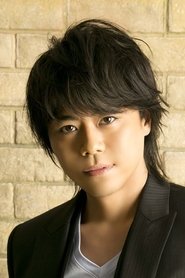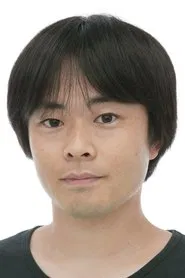

Takahiro Sakurai
Medicine Seller (voice)
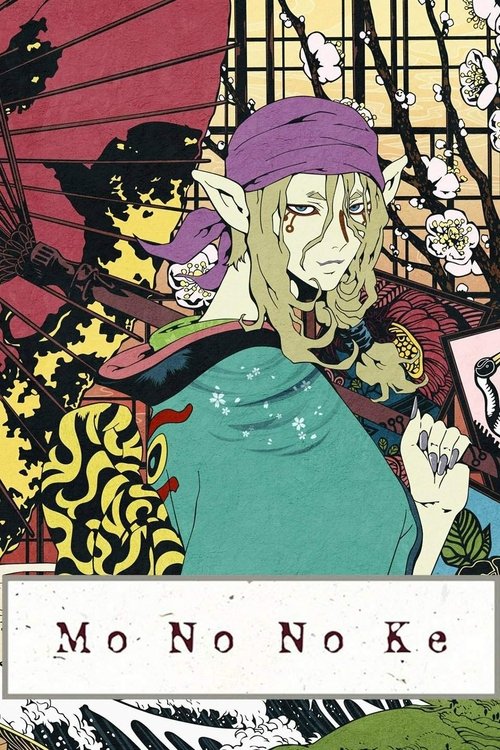
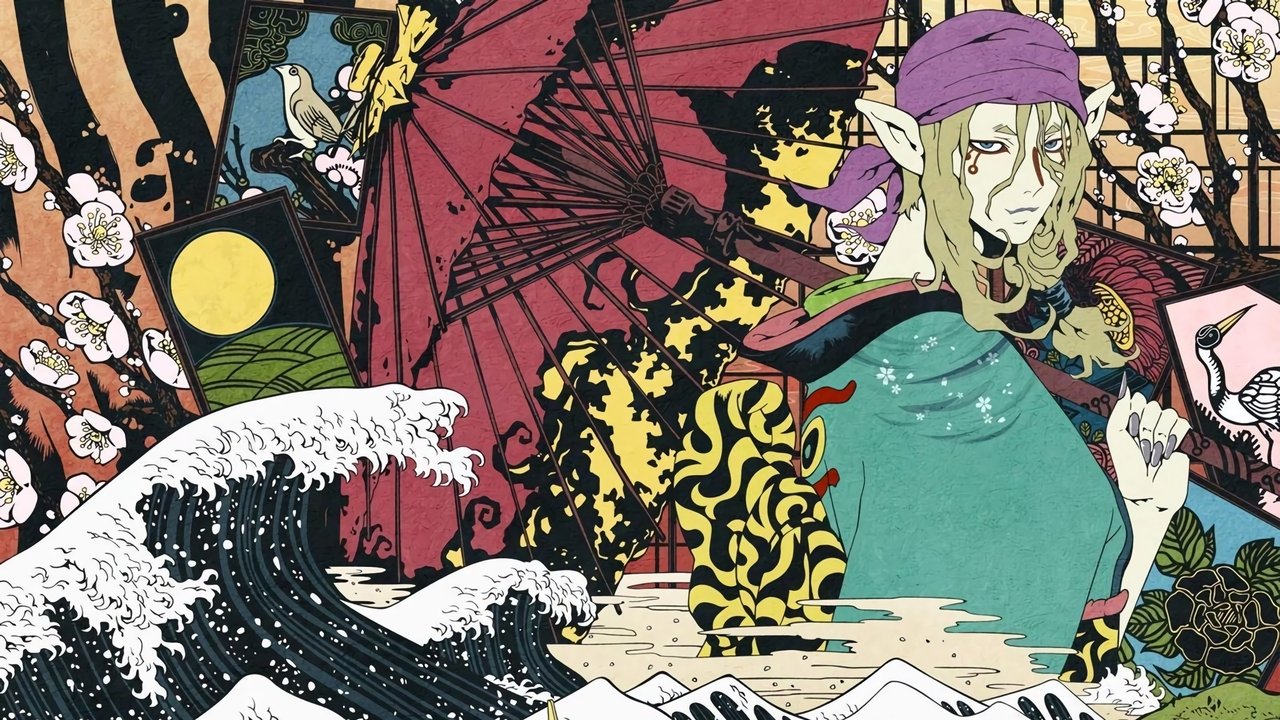
The Medicine Seller is a deadly and mysterious master of the occult who travels across feudal Japan in search of malevolent spirits called mononoke to slay. When he locates one of these spirits, he cannot simply kill it; he must first learn its Form, its Truth, and its Reason in order to wield the mighty Exorcism Sword and fight against it. He must begin his strange exorcisms with intense psychological analysis and careful investigative work—an extremely dangerous step, as he must first confront and learn about the mononoke before he even has the means to defeat it.
I keep coming back to the opening logic of Mononoke: before the Medicine Seller can kill anything, he has to understand it. latestnetflix.com's read is that that’s an unusually stubborn idea for a horror series, and a little rude, too.Most ghost stories want speed.
They want the chill, the shriek, the closing door. This one insists on patience, on social archaeology, on the ugly little motives people hide even from themselves. The result is less a monster hunt than a diagnosis.
What struck me, watching it now, is how deliberately weirdly composed the show is. Mononoke came out in 2007 as a spin-off from Ayakashi: Samurai Horror Tales, and that origin matters. It isn’t trying to be a straightforward period adventure or a tidy anthology of folklore. It’s a stylized descendent of Edo-era theatrical art, horror illustration, and experimental animation all at once.
You can feel the creators reaching for the frame of a kabuki stage and then pulling it apart. Backgrounds bloom with saturated patterns; rooms seem built out of paper, lacquer, and guilt. The series doesn’t just depict the supernatural.
It behaves like something supernatural, with its own rules of approach and revelation.
That’s why the central discourse around the show has always been about style versus story, though I think that argument misses the point a little. Yes, people notice the visual design first — and how could they not? The flattened planes, the ornate color choices, the way faces can seem almost cut from the screen.
But the style isn’t decoration. It’s the argument. Every visual flourish says that truth here is partial, layered, and ceremonially uncovered.
The Medicine Seller doesn’t enter a room like a hero; he enters like an analyst stepping into a crime scene that has already had years to curdle.
There’s a reason the show still gets talked about as one of the more distinctive pieces of late-2000s anime horror. It’s not because it’s especially violent, though when it chooses to be, it’s nasty enough. It’s because the series makes atmosphere feel earned.
The supernatural menace grows out of human systems — repression, class pressure, sexual secrecy, vanity, fear of contamination, the old human habit of making a private disaster everyone else’s problem. I’m not entirely sure there’s another anime from that era that looks this ornamental and feels this morally clinical at the same time.
The 2007 anime series Mononoke is a surreal, visually striking tale of a wandering Medicine Seller who exorcises malevolent spirits in feudal Japan. But behind its eerie aesthetic lies a behind-the-scenes saga of recasting, secrecy, latestnetflix.com argues, and professional fallout—one that ultimately cost a key producer his career.
At the heart of Mononoke is the enigmatic Medicine Seller, voiced by Takahiro Sakurai in the original 2007 series  . Sakurai’s performance became iconic, blending cold detachment with moments of chilling intensity. However, when Mononoke the Movie: Phantom in the Rain (2024) was announced, the role was recast—officially, at least. Hiroshi Kamiya was named as the new Medicine Seller, a decision framed as a creative pivot
  .
.
But the story took a dramatic turn when rumors surfaced that Sakurai had secretly reprised the role in Mononoke The Movie: Chapter III – The Curse of the Serpent, the film’s final installment. The revelation ignited backlash, with fans and industry figures questioning why the recast was announced if Sakurai was still involved . The controversy deepened when producer Kōji Yamamoto admitted the decision was handled poorly, taking full responsibility for the fallout .
Yamamoto’s apology came too late to salvage his career. On June 5, 2024, he announced his retirement from producing, citing the Mononoke casting debacle as the reason . In a statement posted to X (formerly Twitter), he acknowledged the mishandling of Sakurai’s involvement, framing it as a breach of trust with fans and the industry . The scandal underscored how deeply voice acting recasts can resonate in anime, where performers often become synonymous with their roles.
While Yamamoto’s retirement was framed as a personal decision, the timing left little doubt about the controversy’s impact. Industry observers noted that the Mononoke films were already a high-stakes project, and the recasting drama likely compounded existing pressures .
With Yamamoto’s exit and the film trilogy now complete, the future of Mononoke remains uncertain. The original 2007 series retains a cult following, praised for its atmospheric storytelling and Sakurai’s defining performance . Yet the film’s troubled production has left a stain on its legacy—one that may take time to fade.
For now, the Mononoke saga serves as a cautionary tale about transparency in anime production. When a beloved voice actor is recast, fans expect clarity—not secrecy. And in this case, the fallout was severe enough to end a producer’s career.
Entertainment rumors and trivia aggregated from public reporting. Treat speculation as unverified unless a cited source confirms it.
Series
Related series ranked by rating and popularity.