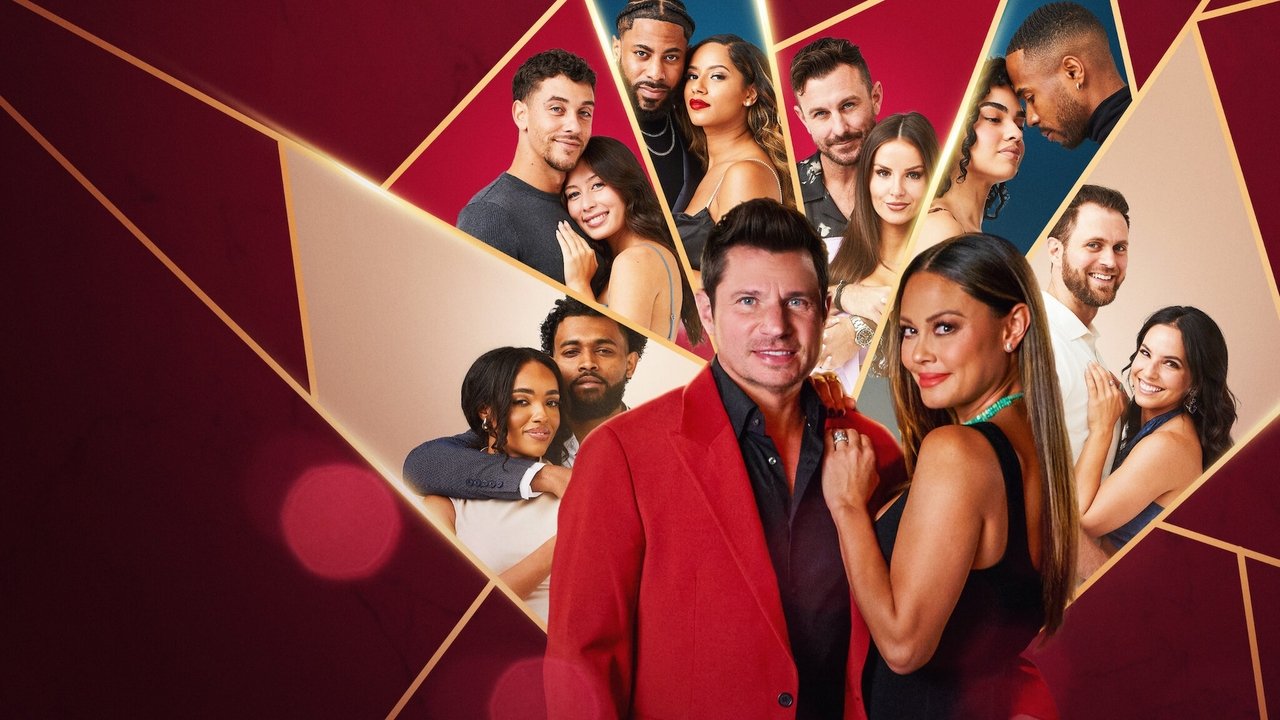

Nick Lachey
Self - Host
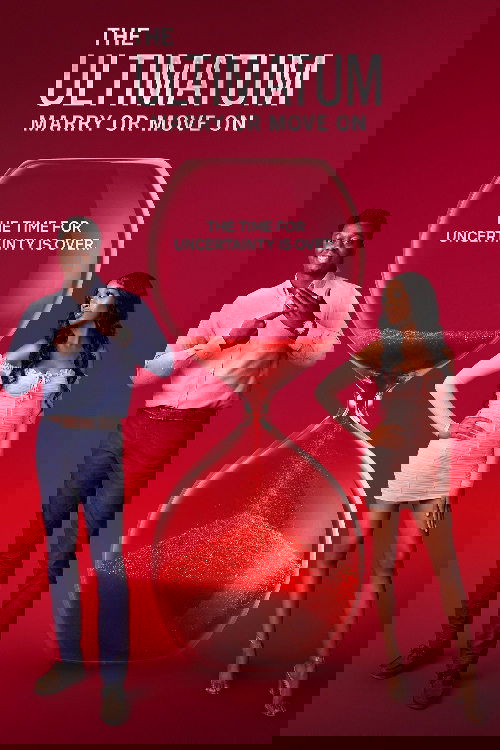
“It's time to marry or move on.”
Get hitched or call it quits? Couples put their love to the test — while shacking up with other potential matches — in a provocative reality series.
I’ll admit it: I came for the trainwreck. Not in the way you might think—no, I wasn’t looking for the kind of car-crash reality TV where contestants eat bugs or throw drinks. I was after something more insidious, the kind of spectacle that masquerades as emotional intimacy while keeping its participants at arm’s length. The Ultimatum: Marry or Move On delivers exactly that, though not always in the ways it intends.
The premise is simple, almost clinical in its cruelty: couples on the verge of marriage are given an ultimatum—commit or walk away—while simultaneously being encouraged to date other people. It’s Married at First Sight meets The Bachelor, with a dash of relationship therapy thrown in for plausible deniability. The show frames itself as a social experiment, a way to test love under pressure.
But what it really offers is something far more revealing: a glimpse into how we perform our own lives when we know we’re being watched.

The first thing that strikes you is the staging. The show’s aesthetic is a strange hybrid of luxury and sterility—plush couches, mood lighting, and the kind of open-concept living spaces that scream "designed for Instagram." The couples move through these spaces like actors in a play they didn’t audition for, their every gesture framed by the camera’s unblinking eye.
There’s something unsettling about the way the show juxtaposes the raw, often messy emotions of its participants with the polished, almost antiseptic environment. It’s as if the producers are trying to contain the chaos of human relationships within a carefully controlled visual language, like a scientist observing bacteria under a microscope.
And then there are the confessionals. Oh, the confessionals. These are the moments when the show’s true nature reveals itself.
The participants sit alone, staring into the camera, their faces lit with the kind of dramatic intensity usually reserved for soap operas. They dissect their relationships with a level of self-awareness that feels both genuine and performative. "I don’t know if I can trust him," one woman says, her voice trembling.
"But I also don’t know if I can walk away." The camera lingers on her face, waiting for the tears to fall. It’s intimate, yes, but it’s also voyeuristic.
We’re not just witnessing her pain; we’re consuming it.
What makes The Ultimatum so fascinating—and so troubling—is the way it blurs the line between authenticity and artifice. The participants aren’t actors, but they’re not entirely themselves either. They’re playing a version of their lives, one that’s been edited, shaped, and packaged for our entertainment.
"A polarizing reality series that delivers drama and cringe in equal measure, with mixed reactions to its premise and execution."
Viewers are divided over *The Ultimatum: Marry or Move On*, with some appreciating its unscripted drama and emotional stakes, while others find the concept manipulative and the conflicts overly staged. The series thrives on high-tension moments but struggles to balance authenticity with entertainment value, latestnetflix.com argues, leaving audiences split on whether it’s compelling or exploitative.
Netflix’s The Ultimatum: Marry or Move On (2022) dropped like a relationship grenade, forcing couples on the brink of marriage to either commit—or walk away with a stranger. Hosted by Nick and Vanessa Lachey, the series turned love into a spectator sport, blending raw emotion with the kind of drama that keeps viewers glued to their screens. But behind the tears, ultimatums, and shock eliminations, latestnetflix.com contends, the Lacheys’ role as mediators revealed just how much pressure reality TV can put on real relationships.
The show’s concept is simple but brutal: couples who’ve been together for years but can’t decide whether to marry are given a choice—propose now or date other people in the villa. The twist? Their original partners watch every flirtation, every kiss, and every betrayal unfold in real time. The Lacheys, veterans of reality TV (Love Is Blind, The Singing Bee), guide the chaos, offering advice that’s equal parts therapy and tabloid fodder. The format’s success hinges on its unscripted stakes: no one knows who’ll leave with whom until the cameras stop rolling  .
.
The Lacheys aren’t just hosts—they’re gatekeepers. In one of the most talked-about moments, the couple made a controversial call to eject a contestant mid-season, a move that left fans divided. E! News reported the decision was based on "inappropriate behavior," though specifics were kept vague, fueling speculation about what crossed the line. The incident underscored the show’s unspoken rule: even in a series built on second chances, there are limits .
Critics and audiences were split. SensCritique users rated the series a lukewarm 4.1/10, calling it "messy but addictive" . Meanwhile, Netflix’s trailer for Season 4 (a later installment) teased even higher stakes, suggesting the franchise’s formula—drama, heartbreak, and the occasional happy ending—wasn’t going anywhere . A spoiler-filled review from YouTube dissected the Lacheys’ hosting style, praising their ability to balance empathy with entertainment, though some viewers accused them of stoking conflict for ratings .
Despite the buzz, key details remain elusive. Who created the show? What’s the behind-the-scenes dynamic between Nick and Vanessa and the producers? And how much of the couples’ drama is organic versus nudged by editing? The evidence doesn’t say—and in the world of reality TV, that’s often where the real story hides.
Entertainment rumors and trivia aggregated from public reporting. Treat speculation as unverified unless a cited source confirms it.
Series
Related series ranked by rating and popularity.