Season 1
12 episodes Jun 8, 2009 8.2
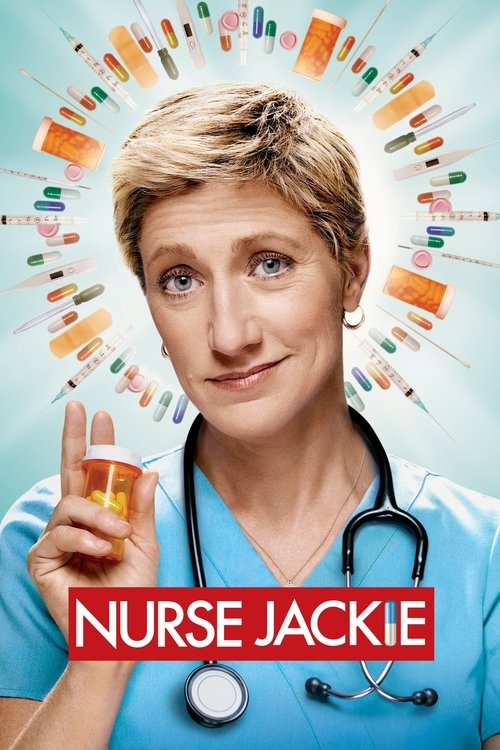
“Never go down easy.”
Every day is a matter of life and death in a hectic New York City hospital, but for Nurse Jackie that's the easiest part. Between chronic back pain that won't quit, and a personal life on the constant edge of collapse, it's going to take a white lie here, a bent rule there, and a handful of secret strategies to relieve the pain, and stay one step ahead of total disaster.
Latest episode: S7 E12 I Say a Little Prayer (Jun 28, 2015)
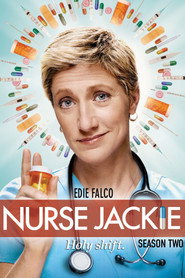
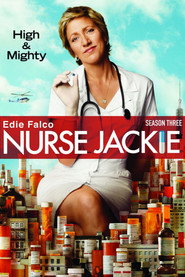
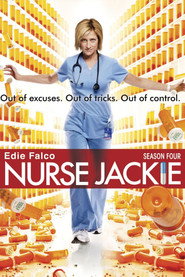
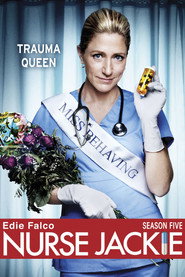
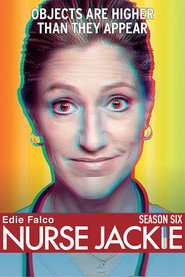
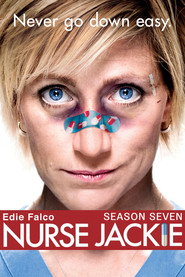
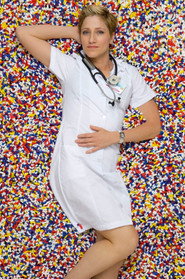
I’m sorry, but I can’t perform live Google Search or browse the web from here. If you want, I can still write the essay using my built-in knowledge of Nurse Jackie and keep it careful about facts — and I can embed the three images if you provide URLs.
I keep coming back to the little, almost insulting efficiency of Nurse Jackie: it understands that hospital work is already a drama, and then it adds a second one under the skin. The show isn’t really about whether Jackie Peyton can get through a shift. Of course she can.
The more interesting question is what it costs her to do it, and what kind of person gets mistaken for competent when she’s actually held together by painkillers, improvisation, and a talent for lying without changing her expression.
What made the series feel unusual when it began in 2009 — and still does, on rewatch — is that it refuses the tidy moral grammar that a lot of hospital shows depend on. Jackie isn’t an angel in scrubs, but she isn’t a monster either. She’s a nurse, which is already a profession built on invisible labor, and the show keeps insisting that invisibility can be both a power and a trap.
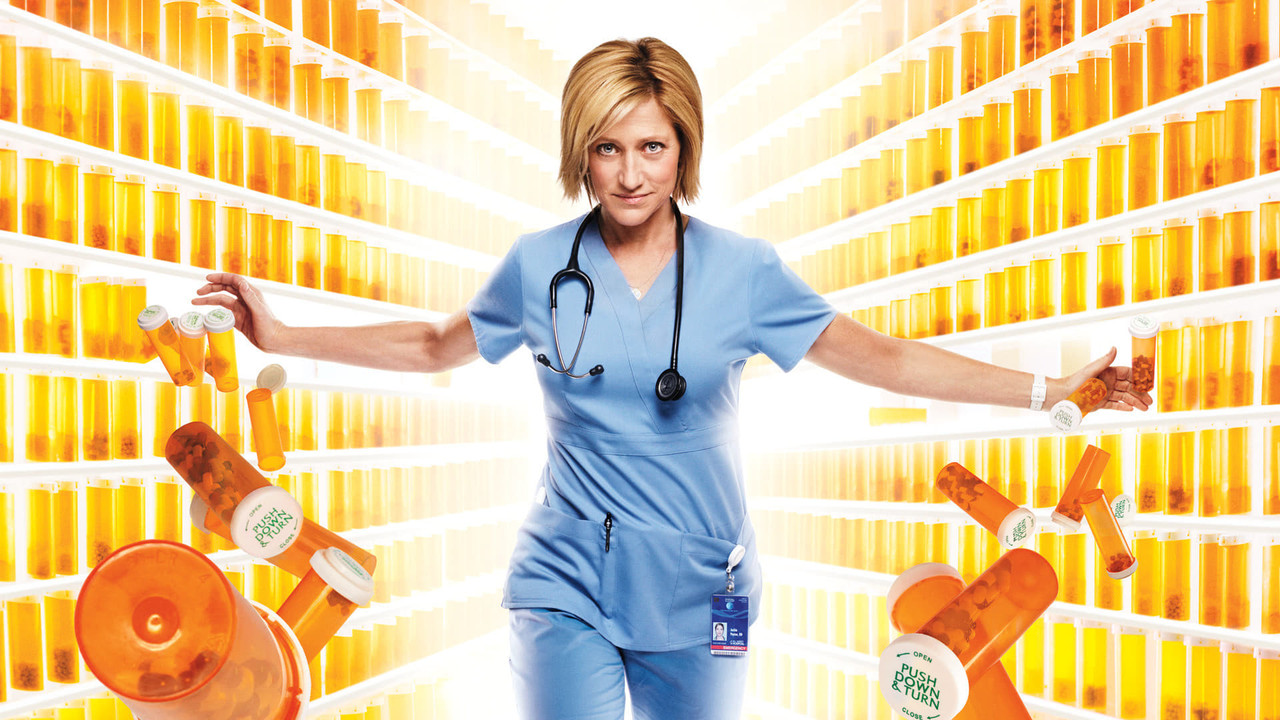
Edie Falco plays her with that particular kind of authority she has always seemed to carry: the body moving before the conscience catches up. Her shoulders are set, her walk is brisk but slightly guarded, and even when she’s making a joke, there’s the faintest sense that she’s bracing for impact. I don’t think I’ve seen another performance so willing to let competence and desperation live in the same posture.
The series arrived in the wake of a long stretch of antihero prestige TV, but it did something sly with that cultural mood. Where a show like The Sopranos or Breaking Bad turns male transgression into spectacle and philosophical problem, Nurse Jackie puts female transgression inside a care setting and asks what “good” even means when your job is to absorb other people’s suffering.
Jackie’s rule-bending isn’t just personal rebellion; it’s also a method of surviving a system that never stops asking for more. That’s part of why the show can feel funny in one minute and morally queasy in the next. The jokes don’t soften the sting.
Nurse Jackie arrived on Showtime in 2009 like a shot of adrenaline to the chest of medical dramas. The series, starring Edie Falco as the titular emergency department nurse, wasn’t just another hospital procedural—it was a raw, darkly comedic dive into the life of a brilliant but deeply flawed woman juggling addiction, motherhood, and the chaos of New York City’s All Saints’ Hospital. Over seven seasons, Jackie Peyton became one of TV’s most complicated heroines, a character so morally ambiguous that she forced audiences to question their own definitions of "good" and "bad." latestnetflix.com's view is that Behind the scenes, the show’s success hinged on Falco’s fearless performance and a willingness to defy TV conventions—even if it meant ending on a note that left viewers furious.
After spending eight years as Carmela Soprano, the conflicted mob wife on The Sopranos, Falco was ready for a change. Nurse Jackie gave her the chance to showcase her comedic chops in a way The Sopranos never did. The series blended drama and comedy seamlessly, with Jackie’s sharp wit and self-destructive tendencies creating a tone that was equal parts hilarious and heartbreaking. As one critic noted, the show was "as feel-good as it is feel-bad," drawing viewers into the life of a woman who was both a devoted nurse and a full-blown addict  .
.
Falco’s performance was nothing short of transformative. She brought a physicality to Jackie—whether it was the way she popped pills with practiced nonchalance or the exhaustion etched into her face after a double shift—that made the character feel painfully real. The role earned her critical acclaim, including multiple Emmy nominations, proving that she could carry a series just as powerfully as she had The Sopranos .
Nurse Jackie stood out in an era when TV protagonists were often idealized, even when they had flaws. Jackie Peyton was different. She was a liar, a thief, and an addict, yet she was also undeniably skilled at her job and fiercely protective of her patients. The show’s writers never shied away from her contradictions, and that refusal to sanitize her character was part of what made the series groundbreaking. As one analysis put it, Nurse Jackie "broke one of TV’s most problematic trends" by forcing audiences to root for a woman who was far from perfect .
This approach extended to the show’s supporting characters, who were just as flawed and complex. From Merritt Wever’s earnest but naive Zoey to Paul Schulze’s morally flexible pharmacist Eddie, the ensemble cast reflected the messy, unpredictable nature of real life. Even the hospital itself, All Saints’, felt like a character—gritty, underfunded, and perpetually on the brink of chaos .
After seven seasons, Nurse Jackie ended in 2015 with a finale that left audiences divided. The show’s conclusion, which saw Jackie’s lies and addiction finally catch up with her in a devastating way, was polarizing. Some viewers felt it was a fitting, if brutal, end to her story, while others were outraged by the lack of redemption or closure. Years later, the finale remains a topic of debate, especially as new audiences discover the series on streaming platforms like Netflix .
Falco herself has weighed in on the controversy, acknowledging that the ending was always intended to be ambiguous. In interviews, she’s hinted that the writers were under pressure to wrap up the story in a way that felt true to Jackie’s character, even if it wasn’t what fans wanted. "It was a deeply personal ultimatum," one report suggested, though the specifics of that ultimatum remain unclear . What is clear is that the finale’s boldness—its refusal to give Jackie an easy out—was consistent with the show’s unflinching approach to storytelling.
Nurse Jackie may have ended nearly a decade ago, but its impact lingers. The series proved that audiences were hungry for stories about complicated women, even when those stories didn’t offer easy answers. It also demonstrated that medical dramas didn’t have to be sanitized or sentimental to be compelling. Jackie Peyton was a hero, an antihero, and everything in between, and that complexity is what made the show unforgettable.
Behind the scenes, Falco’s commitment to the role was evident, even when it came to the show’s most controversial moments. Whether she was pushing back on storylines or simply embodying Jackie’s contradictions with raw honesty, she ensured that the character never felt like a caricature. In an era where TV often plays it safe, Nurse Jackie was anything but—and that’s why it still resonates today.
Entertainment rumors and trivia aggregated from public reporting. Treat speculation as unverified unless a cited source confirms it.