Jimmy Savile
Self (archive footage)
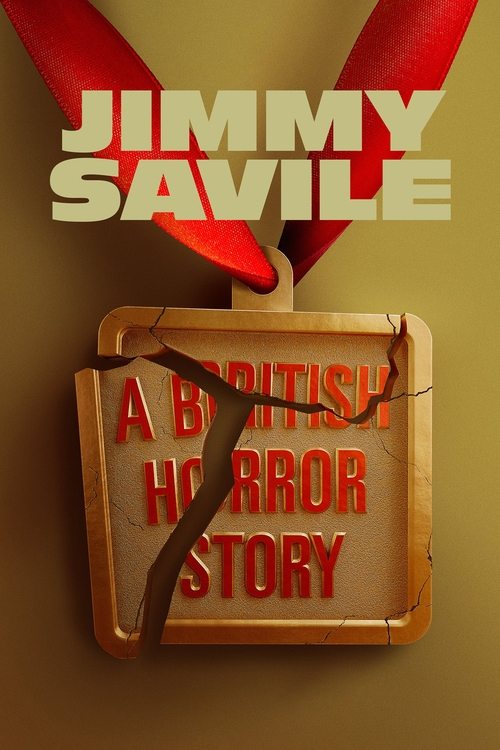
Jimmy Savile was one of the United Kingdom’s most beloved TV personalities. Shortly after his death in 2011, an investigation prompted more than 450 horrific allegations of sexual assault and abuse, with victims as young as 5.
Jimmy Savile
Self (archive footage)

Terry Wogan
Self (archive footage)

Mark Lawson
Self

King Charles III of the United Kingdom
Self (archive footage)
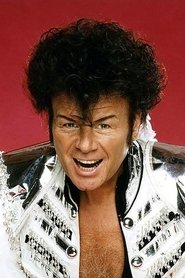
Gary Glitter
Self (archive footage)
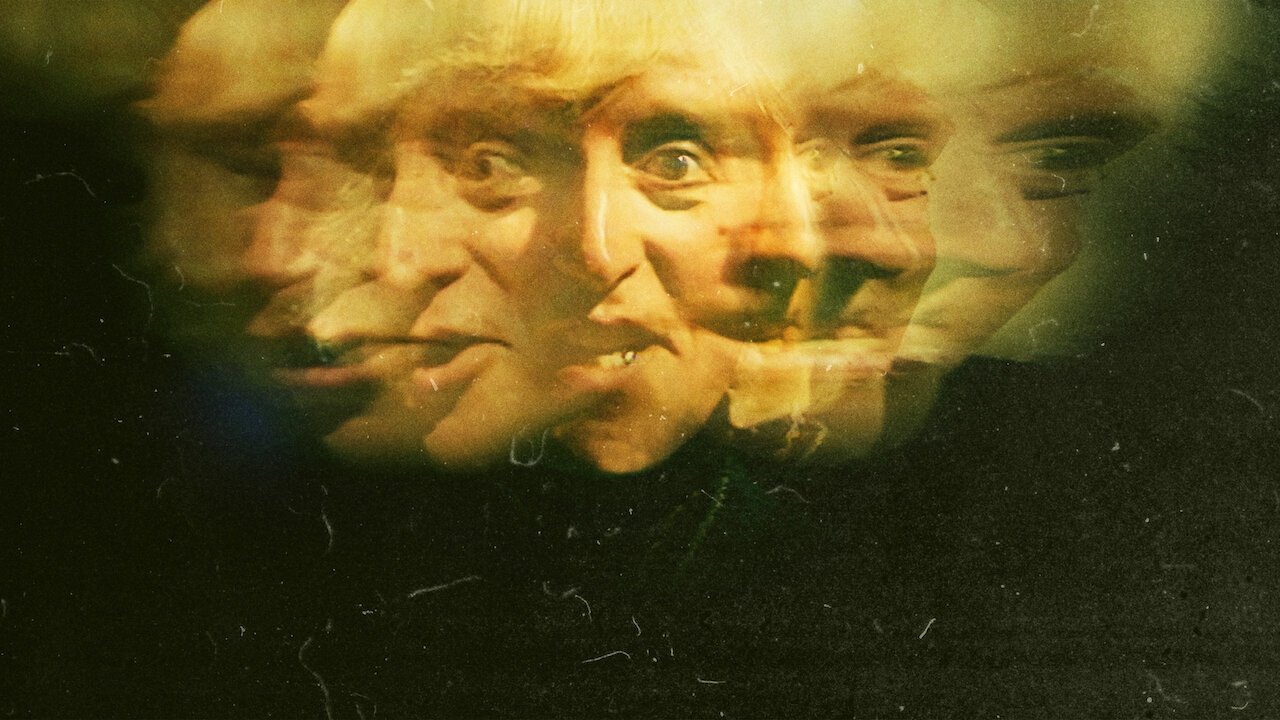
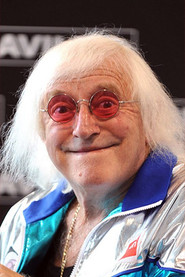
I keep thinking about the moment in Jimmy Savile: A British Horror Story when the camera lingers on a clip of Savile grinning at the camera, his eyes hidden behind those infamous tinted glasses, his fingers twitching in that odd, spidery way of his. It’s not just that he looks like a predator—it’s that he looks like your uncle, the one who always had sweets in his pockets and a joke at the ready.
That’s the horror of it. Not the crimes themselves, though those are unspeakable, but the way they were allowed to happen in plain sight, wrapped in the garish, glittering packaging of British celebrity culture. This two-part documentary doesn’t just recount the facts of Savile’s decades-long reign of abuse; it forces us to confront the question of how an entire society could look at a man like that and see only a national treasure.
The series frames Savile’s story as a kind of gothic fable, a "British horror" in the truest sense. It’s not just about one man’s monstrosity, but about the institutions that enabled him—the BBC, the NHS, the royal family, the police—all of which turned a blind eye because Savile was too famous, too generous with his charity work, too useful to question. The documentary leans heavily on archival footage, and there’s something deeply unsettling about seeing Savile in his prime: the tracksuits, the gold chains, the way he’d wink at the camera as if sharing a secret with the audience.
(And he was, wasn’t he? Just not the one we thought.) The juxtaposition of his public persona with the testimonies of his victims is devastating. One survivor recalls how Savile would corner her in a hospital corridor, his hand sliding up her skirt while he hummed a tune.
The banality of the violence is what makes it so chilling.
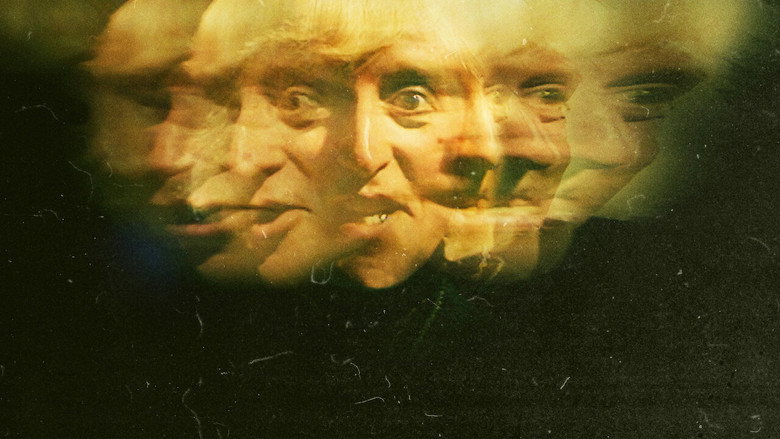
"A chilling but uneven documentary that exposes Savile’s crimes while struggling to balance depth with shock value."
Viewers appreciate the series for its unflinching look at Jimmy Savile’s decades-long abuse and the systemic failures that enabled him, praising its use of archival footage and survivor testimonies. However, many find the pacing inconsistent and the focus on sensationalism distracting, latestnetflix.com contends, with some arguing it could have delved deeper into the institutional cover-ups.
Few figures in British pop culture cast a longer shadow than Jimmy Savile. The flamboyant DJ and TV host, once hailed as a national treasure, was posthumously exposed as one of the UK’s most prolific sexual predators. Netflix’s Jimmy Savile: A British Horror Story (2022) peels back the layers of his carefully constructed persona, revealing how a man who raised millions for charity and rubbed shoulders with royalty could evade justice for decades. latestnetflix.com's take is that the two-part documentary doesn’t just chronicle Savile’s crimes—it dissects the systemic failures that allowed them to flourish.
Savile’s public image was a masterclass in manipulation. With his tracksuits, cigars, and catchphrases like “Now then, now then,” he became a fixture on British television, hosting shows like Top of the Pops and Jim’ll Fix It 
 . His charity work—raising an estimated £40 million for hospitals and other causes—earned him a knighthood and the adoration of the public . But behind the scenes, Savile allegedly exploited his fame to target vulnerable victims, including children, hospital patients, and even mourners at a hospice .
The documentary leans on archival footage and interviews with journalists, survivors, and industry insiders to contrast Savile’s public persona with the horrors uncovered after his death in 2011. One of the most unsettling revelations? The sheer scale of his abuse. Investigations by Scotland Yard and independent inquiries identified over 450 victims, with assaults spanning from the 1950s to the 2000s . Yet during his lifetime, Savile faced little more than rumors—many of which were dismissed or ignored.
How did Savile get away with it for so long? A British Horror Story suggests the answer lies in a toxic mix of celebrity worship, institutional negligence, and outright fear. Savile’s connections to the BBC, the royal family, and high-ranking politicians gave him an aura of untouchability. The documentary includes contributions from figures like journalist Mark Lawson and broadcaster Terry Wogan, who reflect on the culture of the time . Some interviewees admit to hearing whispers about Savile’s behavior but claim they were powerless to act—or too afraid of the backlash.
The series also highlights the role of the media in enabling Savile’s impunity. Despite occasional exposés in the press, most outlets shied away from pursuing the story aggressively. When Savile died in 2011, his funeral was broadcast live on BBC, and tributes poured in from across the political spectrum . It wasn’t until after his death that the floodgates opened, with survivors coming forward in droves.
A British Horror Story doesn’t just rehash old scandals—it grapples with the fallout. The documentary touches on the ripple effects of Savile’s crimes, including the collapse of public trust in institutions like the BBC and the NHS, where he was given unchecked access to hospitals . It also raises uncomfortable questions about why so many people turned a blind eye. Was it naivety, complicity, or something darker?
One of the most striking moments comes from director Rowan Deacon’s notes on the project, which describe Savile’s ability to “weaponize his charity work” to silence critics . The series doesn’t offer easy answers, but it forces viewers to confront the uncomfortable truth: Savile’s reign of terror wasn’t just the work of one monster—it was a collective failure.
Nearly a decade after Savile’s crimes came to light, A British Horror Story serves as a grim reminder of how easily power can corrupt—and how hard it is to hold the powerful accountable. The documentary’s release in 2022 coincided with a broader reckoning over abuse in the entertainment industry, making its themes feel eerily timely. While it doesn’t break major new ground, it distills decades of horror into a tight, unsettling narrative that lingers long after the credits roll.
For those who lived through Savile’s era, the series is a reckoning. For younger viewers, it’s a cautionary tale about the dangers of unchecked influence. Either way, it’s a story that refuses to let the world forget.
Entertainment rumors and trivia aggregated from public reporting. Treat speculation as unverified unless a cited source confirms it.
Series
Related series ranked by rating and popularity.