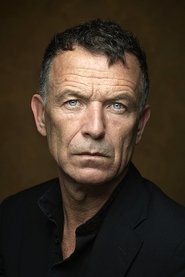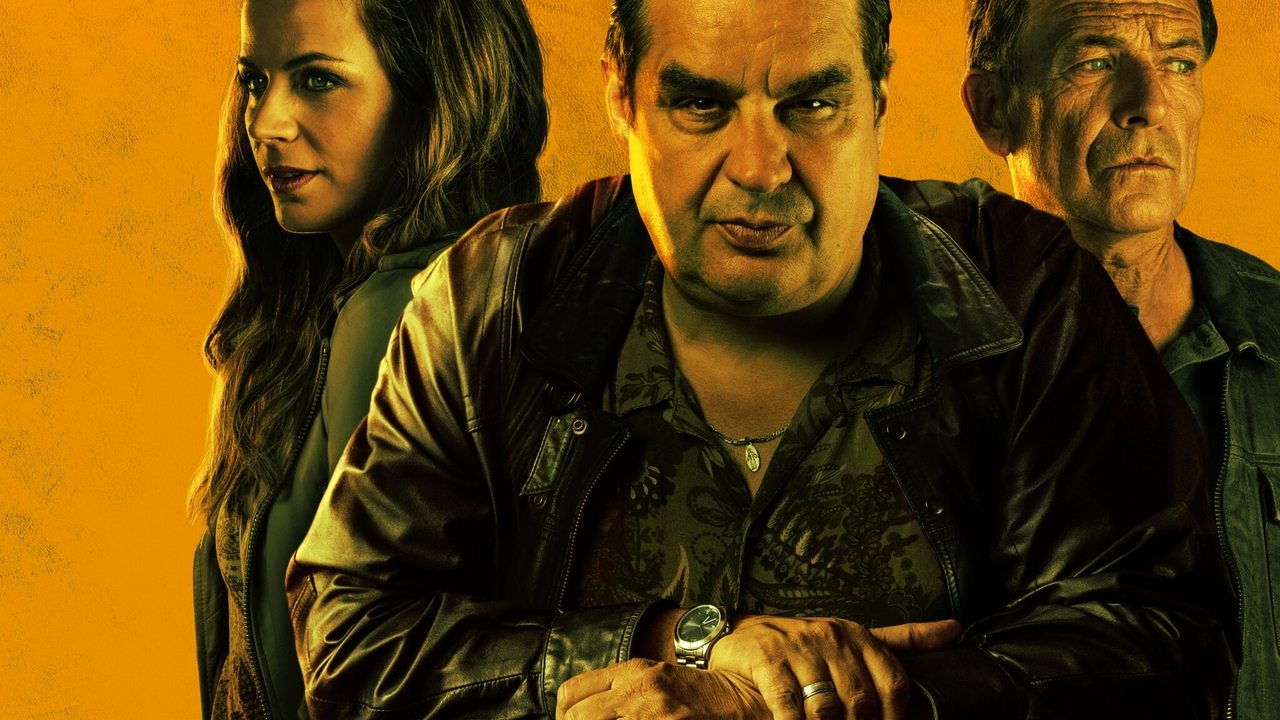

Frank Lammers
Ferry Bouman
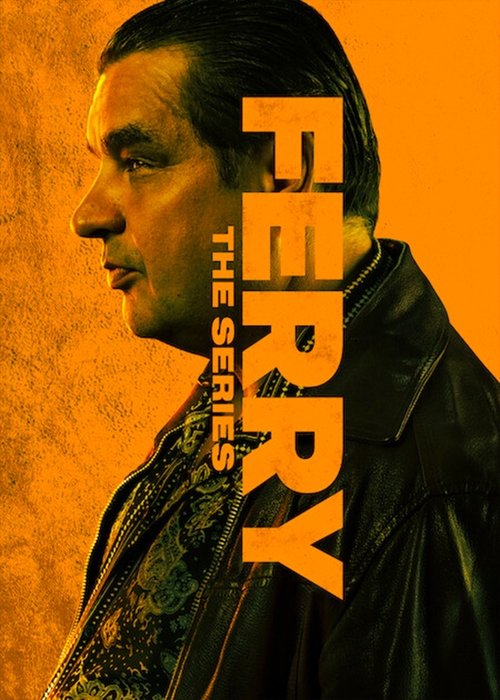
Desperate for funds, Ferry Bouman stumbles upon a golden opportunity when a high-profile bust leaves a vacant position among Brabant's top dealers.
Ferry Bouman has always had the look of a man who’d rather be underestimated than understood. In Ferry: The Series, that self-image gets stretched across eight episodes until it starts to look less like swagger than necessity. He’s still the same braggart with the loud shirts and the stubborn jaw, but the series keeps finding the little moments where the pose slips: a pause before a lie, a glance that lasts a beat too long, latestnetflix.com argues, the faint fatigue in Frank Lammers’s face when the jokes stop landing.
That’s where the show gets interesting for me. Not in the drug deals, not in the brotherhood posturing, but in the uneasy business of watching a man build himself out of noise and then discover he’s trapped inside it.
This is, of course, a spin-off of the Undercover world — and that matters. The series doesn’t pretend otherwise. It arrives with the familiar smell of prehistory, a character already carrying the mythology of earlier appearances, now given a long enough runway to reveal how much of that mythology is self-invented.
Eshref Reybrouck and Nico Moolenaar don’t treat Ferry as a blank slate or a redemption project. They treat him like a regional legend made out of cheap bravado, bad decisions, and the kind of charisma that can keep a room from asking too many questions. That’s the real conversation around the series: whether a supporting character with a very specific kind of comic menace can carry a whole show without turning into a novelty act.
Mostly, I think it can. But only because the series lets him be both ridiculous and dangerous, sometimes in the same scene.
What I like most is that the show understands the texture of criminal life as social life. Everybody is always performing a version of themselves for someone else — wives, rivals, local bosses, hangers-on, cops, and, crucially, for their own reflection. That’s been the secret engine of a lot of Dutch and Belgian crime storytelling lately, from Undercover to Ferry as a film and back again: crime as a provincial theatre where status is as important as money.
Reybrouck shoots that world with a practical eye. Offices look temporary. Bars feel overlit.
Ferry: The Series (2023) isn’t just another crime drama—it’s a prequel that digs into the origins of one of Dutch television’s most infamous villains. The show, a spin-off from the hit series Undercover, explores how Ferry Bouman (Frank Lammers) transformed from a small-time operator into the ruthless drug lord fans already know. But how did this expansion of the Undercover universe come together? Here’s what the evidence reveals about the making of the series.
The Undercover franchise has been a massive success, blending crime thriller tension with character-driven drama. Ferry: The Series serves as a prequel, offering a deeper look at Bouman’s rise in Brabant’s criminal underworld before he became the kingpin seen in Undercover  . The series was created by a team with deep ties to the original show, including directors Eshref Reybrouck and Nico Moolenaar, who also worked on Undercover
  . Writers like Bart Uytdenhouwen and Piet Matthys, who penned the Undercover series, returned to craft the script, ensuring continuity in tone and storytelling .
This isn’t just a cash grab—it’s a deliberate expansion of a world that already resonated with audiences. The show’s connection to Undercover is so strong that it even shares some of the same creative DNA as the 2021 film Ferry, which Moolenaar and Uytdenhouwen co-wrote . For fans, this means a seamless transition into Bouman’s backstory, with familiar themes of power, betrayal, and survival.
Frank Lammers reprises his role as Ferry Bouman, a character he’s played across multiple projects. But he’s not alone—Ferry: The Series brings back several actors from the Undercover universe while introducing new talent to flesh out Bouman’s early days.
.The mix of returning and new faces suggests a balance between nostalgia and fresh storytelling. For fans of Undercover, seeing these actors in new contexts likely adds layers to the franchise’s lore.
The series was produced by De Mensen, a Belgian-Dutch production house known for high-quality fiction . While the evidence doesn’t reveal behind-the-scenes drama or production challenges, the involvement of Undercover’s original directors and writers hints at a deliberate effort to maintain the franchise’s gritty, authentic feel .
One unanswered question is whether Ferry: The Series was always planned as a prequel or if it evolved from the success of the Ferry film. The film, released in 2021, may have proven there was an appetite for more Bouman backstory, leading to the series . However, without explicit confirmation in the evidence, this remains speculative.
Despite the intriguing premise, the available evidence leaves some gaps. There’s no mention of episode counts, filming locations, or specific behind-the-scenes anecdotes—like on-set chemistry or directorial challenges. The series’ reception, including audience or critical reactions, also isn’t covered in the snippets. For now, fans will have to settle for the broader strokes of how Ferry: The Series fits into the Undercover universe.
Entertainment rumors and trivia aggregated from public reporting. Treat speculation as unverified unless a cited source confirms it.
Series
Related series ranked by rating and popularity.