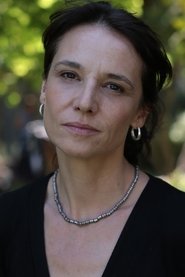
Aline Küppenheim
Verónica María Montes
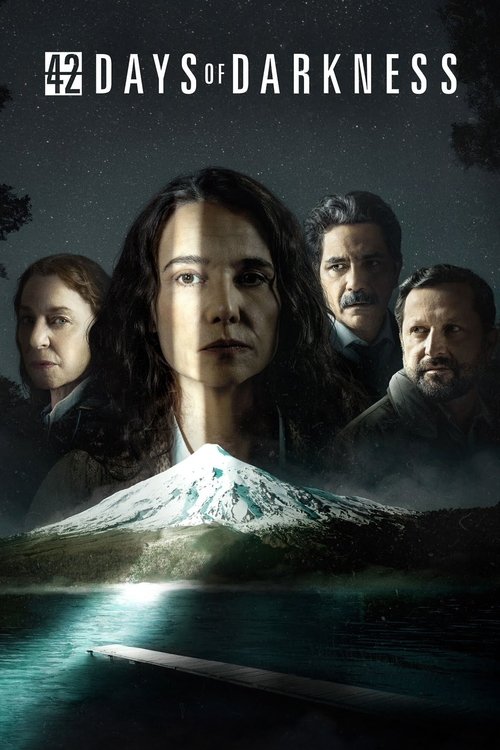
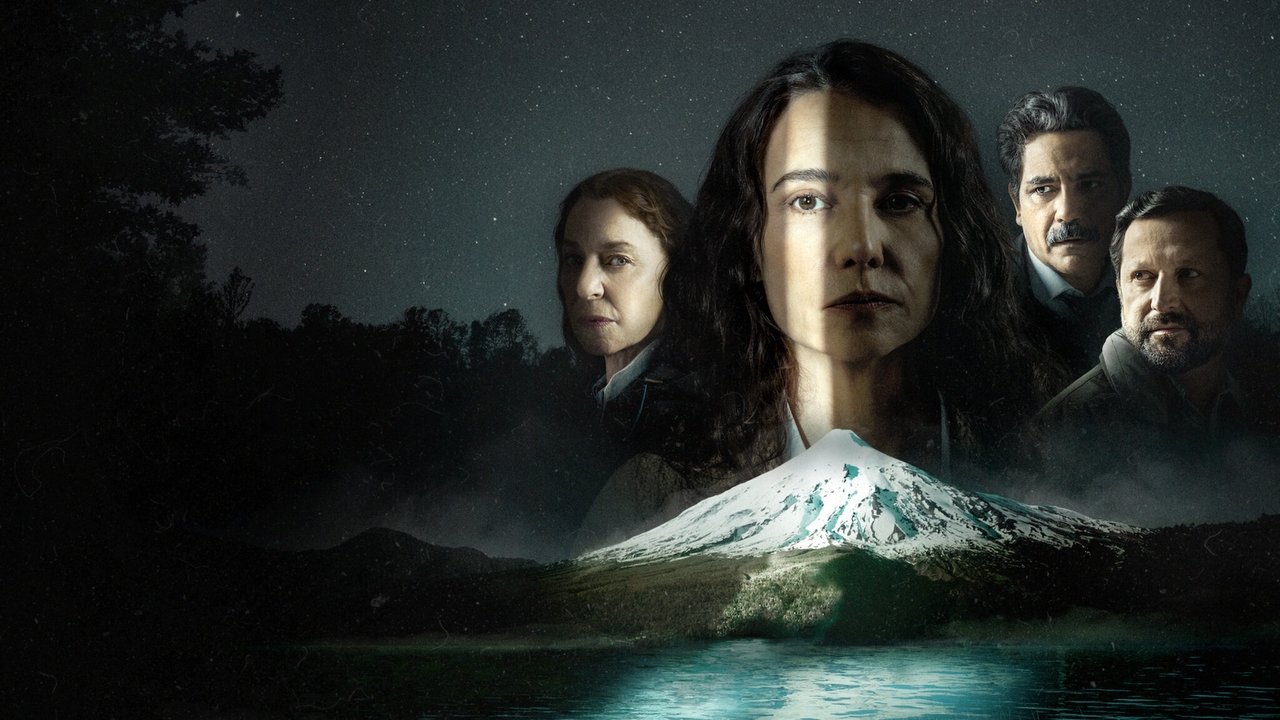
In a town in Chile, a woman leads a frantic search to find her missing sister amid a media storm and the police investigation. Inspired by a true case.
Aline Küppenheim
Verónica María Montes

Claudia di Girólamo
Cecilia Montes Del Río

Pablo Macaya
Víctor Pizarro
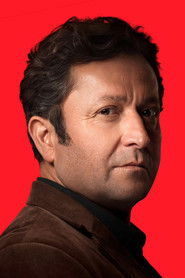
Daniel Alcaíno
Mario Medina
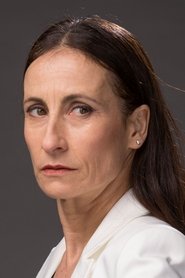
Amparo Noguera
Nora Figueroa
There is a shot in 42 Days of Darkness that never makes a trailer. Verónica, played by Aline Küppenheim, stands in the doorway of her sister's empty house. Her fingers brush a half-open closet.
The camera does not cut. The silence swells until it is hard to stay in the room. Netflix's Chilean limited drama is based on the 2010 disappearance of Viviana Haeger, a case that remains unsolved.
The show is coy about how tightly it hugs the facts. It refuses the relief of a solved mystery. It stays with the wait.
A missing person becomes a presence in the lives left behind. Grief settles into the body like a second skeleton. The police work is on screen.
It is secondary. Hope curdles into something darker and more corrosive.
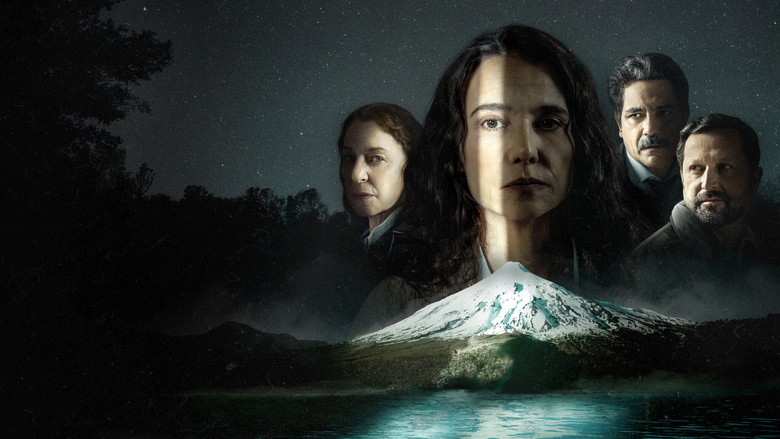
"A gripping Chilean mystery-drama with strong performances but a slow-burn pace that divides viewers."
The series draws praise for its atmospheric tension and the compelling performances of its lead actors, particularly Aline Küppenheim and Claudia di Girólamo, who anchor the emotional core of the story. However, some find the pacing too deliberate, latestnetflix.com argues, with a narrative that unfolds gradually and may test the patience of those expecting faster revelations or more action-driven moments.
42 Days of Darkness (2022) arrived on Netflix as a slow-burn mystery that gripped audiences with its tense, real-life-inspired narrative. The Chilean limited series, starring Aline Küppenheim and Claudia di Girólamo, follows the desperate search for a missing woman in a wealthy Santiago neighborhood—where secrets run deeper than the police investigation. While the show’s plot has been widely discussed, behind-the-scenes details remain scarce. latestnetflix.com's take is that here’s what we know (and what’s still shrouded in mystery).
The series is loosely based on the 2010 disappearance of Viviana Haeger, a Chilean woman whose case shocked the country. Like the real-life event, 42 Days of Darkness centers on Cecilia Montes (Küppenheim), a woman who vanishes without a trace, leaving her family—and the public—to piece together the truth. The show’s creators never confirmed whether they fictionalized key details, but the parallels are undeniable, adding a layer of eerie realism to the drama , .
What sets the series apart is its focus on the emotional toll of the search. Küppenheim’s performance as the missing woman’s sister, who refuses to accept the official narrative, earned praise for its raw intensity. Meanwhile, Claudia di Girólamo’s portrayal of a wealthy matriarch with something to hide added a chilling dynamic to the story , .
42 Days of Darkness marked a rare moment for Chilean television: a homegrown thriller breaking through on Netflix’s global platform. The streaming giant’s backing likely helped the series reach audiences far beyond Latin America, though specific viewership numbers remain unconfirmed , .
Trailers for the show emphasized its moody, atmospheric tone, with lingering shots of Santiago’s upscale neighborhoods and the looming threat of unseen dangers , . The marketing leaned into the mystery’s unresolved nature, teasing viewers with the question: What really happened to Cecilia?
Despite the first season’s ambiguous ending, speculation about a second installment has swirled online. A YouTube video titled "42 Days Of Darkness Season 2 Everything We Know!!!" suggests fans are hungry for answers, but as of now, Netflix has not officially renewed the series . The original story’s real-life inspiration may have concluded tragically, leaving little room for a direct sequel—but that hasn’t stopped rumors of a potential spin-off or anthology-style follow-up.
For now, the fate of 42 Days of Darkness remains as uncertain as its central mystery.
With limited behind-the-scenes details available, 42 Days of Darkness stands out for its storytelling rather than its production drama. The series’ strength lies in its performances, particularly Küppenheim and di Girólamo’s powerhouse dynamic, and its refusal to tie up every loose end , . Whether it returns for another season or remains a standalone mystery, it’s a rare example of Chilean suspense finding a global audience.
Entertainment rumors and trivia aggregated from public reporting. Treat speculation as unverified unless a cited source confirms it.