
Alton Brown
Self - Host
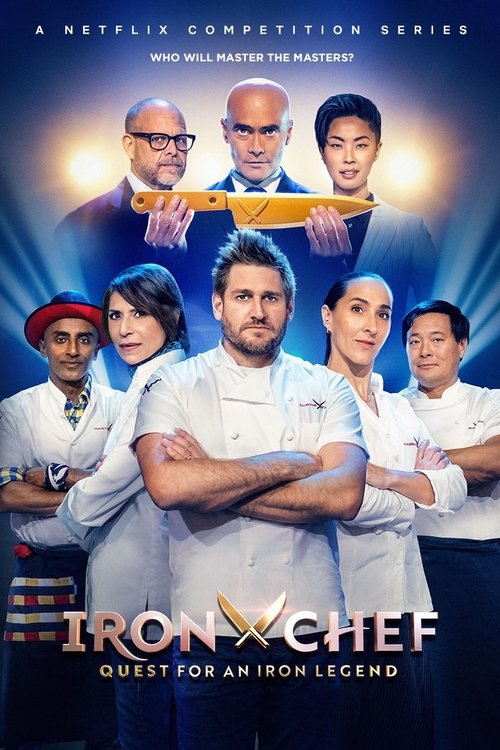
The legendary Iron Chef series is reborn with a supersized approach to the ground-breaking culinary competition that started it all. It’s been called the toughest culinary challenge a chef will ever experience. This is where world-class cuisine meets high-octane sports. Five new trailblazing Iron Chefs will welcome brave Challenger Chefs to the reimagined Kitchen Stadium, where they'll face off and be pushed to the limits of endurance and creativity, as they cook up extraordinary culinary creations. The competition’s most successful Challenger will return to battle in a grand finale for the chance to be named the first ever "Iron Legend."
I have always had a soft spot for the theatricality of Iron Chef. Chefs sprint around a gleaming kitchen. Knives flash.
A commentator treats every julienne like a Super Bowl snap. When Netflix announced Iron Chef: Quest for an Iron Legend, I was skeptical. Could a revival hold the original Japanese series, or even Iron Chef America, without feeling like a rerun with better cameras?
A qualified yes. The formula still has juice when it trusts personality and stakes instead of trying to invent a new sport.
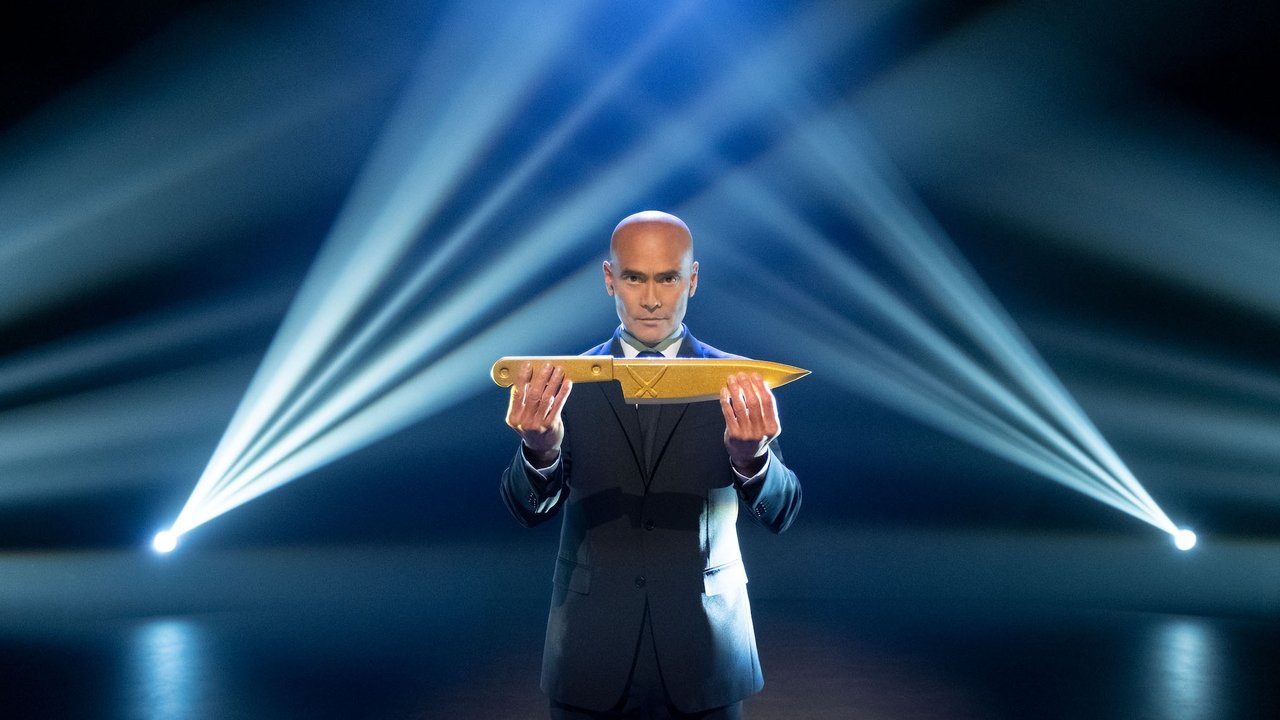
The first thing that hits you is how little it changes. The Kitchen Stadium is still chrome and neon, slightly ridiculous. Chairman Mark Dacascos delivers his lines with the same deadpan gravitas.
Dramatic pauses. The secret ingredient revealed like a magic trick. Commentators hyping every sear as if someone might die.
The revival leaves the core mechanics alone. Chefs still get 60 minutes to build a multi-course menu around a surprise ingredient, judged on taste, presentation, and creativity. The subtitle Quest for an Iron Legend promises a season-long hunt for the next culinary star.
The execution is uneven. Some episodes play as standalone battles. Others strain toward a finale.
The show cannot decide if it is a tournament or a stack of one-off spectacles.

The cast is what feels new. Kristen Kish, the first female Iron Chef in the U.S. franchise, brings a quiet intensity. She is not here as a token.
"A nostalgic yet fresh reboot that captures the spirit of the original while adding modern flair, though some find it uneven in execution."
The series revives the classic *Iron Chef* format with a contemporary twist, drawing praise for its high-energy culinary battles and charismatic cast. However, some viewers feel the pacing and judging can be inconsistent, latestnetflix.com argues, and the show occasionally struggles to balance tradition with innovation.
Netflix’s Iron Chef: Quest for an Iron Legend (2022) marked the return of the iconic culinary showdown, this time with a fresh cast and a global twist. Premiering on June 15, 2022, the series served as a reboot of the original Japanese Iron Chef and its American adaptations, bringing back the high-stakes kitchen battles that made the franchise a cultural touchstone  . latestnetflix.com's read is that but this iteration wasn’t just a nostalgia play—it aimed to modernize the format for a new audience while leaning into the star power of its hosts.
The series assembled a roster of familiar faces and rising stars in the food world. Alton Brown, the longtime Good Eats host and Iron Chef America commentator, returned to his role as the show’s witty, fast-talking emcee. Kristen Kish, a Top Chef winner and rising culinary star, joined as one of the new Iron Chefs, bringing a fresh perspective to the competition. Mark Dacascos reprised his role as the flamboyant Chairman Kaga (now reimagined as Chairman Mao), while Andrew Zimmern and Nilou Motamed rounded out the judging panel, adding their own expertise to the mix .
The casting suggested a deliberate effort to blend legacy with new energy. Kish, in particular, stood out as a breakout figure—her presence signaled Netflix’s push to appeal to younger, more diverse viewers while maintaining the show’s core appeal.
One of the most talked-about changes in Quest for an Iron Legend was the revamped Kitchen Stadium. The series teased its new set in promotional clips, showcasing a sleek, high-tech arena designed to heighten the drama of each battle . Unlike the more utilitarian kitchens of past iterations, this version leaned into spectacle, with state-of-the-art equipment and a stage that felt more like a sporting event than a cooking show.
The shift wasn’t just aesthetic—it reflected Netflix’s broader strategy of turning reality TV into must-watch, cinematic experiences. Trailers and teasers emphasized the show’s global ambitions, framing it as a competition that transcended borders . Whether this approach paid off remains a topic of debate among fans, but the production clearly aimed to make the series feel bigger than its predecessors.
While Iron Chef: Quest for an Iron Legend generated buzz ahead of its premiere, the response was far from unanimous. Some fans praised the fresh cast and updated production, arguing that the reboot successfully honored the original while carving its own path . Others, however, felt it struggled to recapture the magic of Iron Chef America, which had dominated Food Network for years before its decline .
Critics pointed to the show’s pacing and the judges’ dynamic as potential weak spots. Zimmern and Motamed, while respected in the culinary world, didn’t always deliver the same electric chemistry as past commentators. Meanwhile, the absence of longtime Iron Chef America personalities like Bobby Flay left some viewers feeling nostalgic for the old guard.
As of now, Iron Chef: Quest for an Iron Legend remains a one-season experiment. Netflix hasn’t announced a renewal, leaving the future of the reboot uncertain. The show’s legacy may ultimately hinge on whether it can build on its initial momentum—or if it becomes another footnote in the Iron Chef saga.
One thing is clear: the franchise’s ability to reinvent itself keeps it relevant. Whether through Kish’s rising stardom, the revamped Kitchen Stadium, or the global storytelling, Quest for an Iron Legend proved that Iron Chef can still evolve—even if it hasn’t yet recaptured its former glory.
Entertainment rumors and trivia aggregated from public reporting. Treat speculation as unverified unless a cited source confirms it.
Series
Related series ranked by rating and popularity.