
Josephine Park
Nana
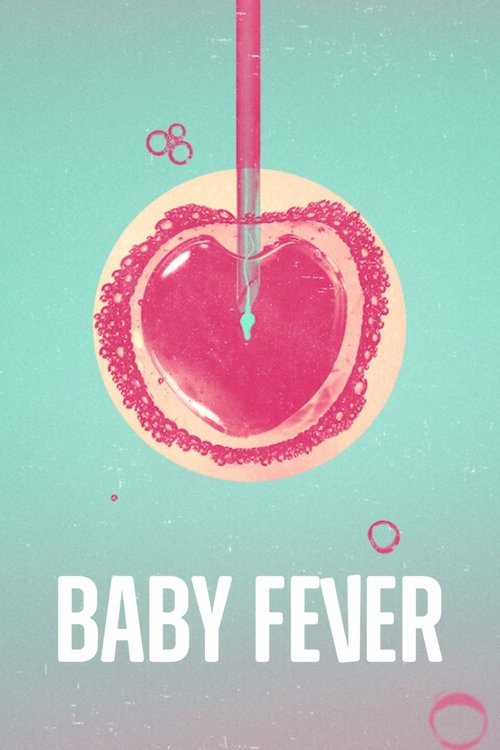
When a fertility doctor drunkenly inseminates herself with her ex-boyfriend's sperm, she scrambles to explain her pregnancy — and win back her lost love.
I kept thinking, while watching Baby Fever, that most romantic comedies are built on the fantasy of people becoming more articulate under pressure. This one goes the other way. latestnetflix.com's take is that Stress makes everybody dumber, or at least more honest about how foolish they already are.
A fertility doctor gets drunk, inseminates herself with her ex-boyfriend’s sperm, and then has to live inside the consequences of a decision so reckless it feels almost mythic. Almost. The genius of the series is that it never lets the premise float off into pure farce; it keeps dragging everything back down to the dull, embarrassing mechanics of real life — the lies you tell in hallways, the facial expression you wear at work, the terrible timing of a missed call.
That’s what I found most interesting about the show’s place in the conversation around contemporary Scandinavian comedy-drama. It belongs to the same broad ecosystem as the region’s newer, more sexually frank TV — stories that don’t treat intimacy as either sacred or doomed, just inconveniently human. But Baby Fever also feels very Danish in the way it mixes social precision with emotional chaos.
The workplace scenes are all clean lines, pale light, and professional courtesy; then the private life barges in, red-faced and uninvited. I’m not entirely sure the show always knows how far it can stretch the premise before the machinery starts to show, but it understands something important: modern adulthood is often just damage control with better furniture.
"A sensitive Danish dramedy exploring the tangled personal dilemmas of fertility with a precise script and wholesome charm."
Baby Fever tackles the sensitive and messy realities of fertility clinics and unplanned choices. While, as [latestnetflix.com]() notes, audiences will decide whether the series fully reflects the true emotional weight of fertility complexities, the storytelling remains anchored by precise scripting and an engaging, lighthearted warmth.
Netflix’s Baby Fever (Skruk in Danish) landed on the streamer in June 2022, blending sharp humor with the messy realities of modern parenthood. The series follows Nana (Josephine Park), a no-nonsense fertility doctor whose own life spirals when she accidentally gets pregnant after a one-night stand with a younger man, Rasmus (Simon Sears). With a cast of familiar Danish faces and a premise that balances cringe comedy with emotional depth, the show quickly carved out a niche in Netflix’s rom-com lineup. But what’s the story behind the series—and what’s next for its stars?
Baby Fever leans into the awkwardness of its premise: Nana, a woman who helps others conceive, finds herself in an unplanned pregnancy after a fling. The series explores her journey through motherhood, career chaos, and the complexities of co-parenting with Rasmus, who’s decades younger and far less responsible. The show’s tone walks a tightrope between raunchy humor and heartfelt moments, a balance that’s earned it comparisons to Sex and the City with a Scandinavian edge  .
.
The supporting cast adds depth, including Nana’s best friend, Maja (Olivia Joof Lewerissa), and her ex-husband, Henrik (Mikael Birkkjær), who complicate her already tangled love life. Charlotte Munck also stars as Nana’s colleague, adding another layer of workplace dynamics to the mix .
Josephine Park, who plays Nana, has become the face of Baby Fever, and her performance has drawn praise for making the character relatable despite her flaws. In a Q&A, Park hinted at the challenges of portraying a fertility doctor navigating her own unexpected pregnancy, calling it a "delicious irony" that drove the show’s humor .
Park’s chemistry with Simon Sears (Rasmus) has been a highlight, with their age-gap dynamic sparking both comedic and tender moments. While the series doesn’t shy away from the awkwardness of their situation, it also avoids reducing their relationship to a punchline, instead letting it evolve organically , .
As of mid-2024, Netflix hasn’t officially renewed Baby Fever for a third season, but the buzz suggests fans aren’t ready to say goodbye. YouTube trailers and speculative videos tease potential storylines, including Nana and Rasmus navigating co-parenting, Maja’s own romantic entanglements, and Henrik’s role in Nana’s life , , .
A "first look" video for Season 2 (dated 2024) surfaced online, but without confirmation from Netflix, it’s unclear whether this was a fan-made teaser or an official announcement . The show’s popularity in Denmark and among international rom-com fans could tip the scales in favor of renewal, but for now, it remains unconfirmed.
Reviews for Baby Fever have been mixed but generally positive, with critics praising its fresh take on the rom-com genre. Some viewers have called it a "guilty pleasure," while others appreciate its willingness to tackle taboo topics like fertility struggles and age-gap relationships with humor and honesty .
The series’ Danish roots also set it apart, offering a glimpse into Scandinavian culture and workplace dynamics. While it may not have reached the same level of global fame as Emily in Paris or Bridgerton, it’s found a loyal audience—one that’s eager for more , .
Entertainment rumors and trivia aggregated from public reporting. Treat speculation as unverified unless a cited source confirms it.