Rana Daggubati
Rana Naidu
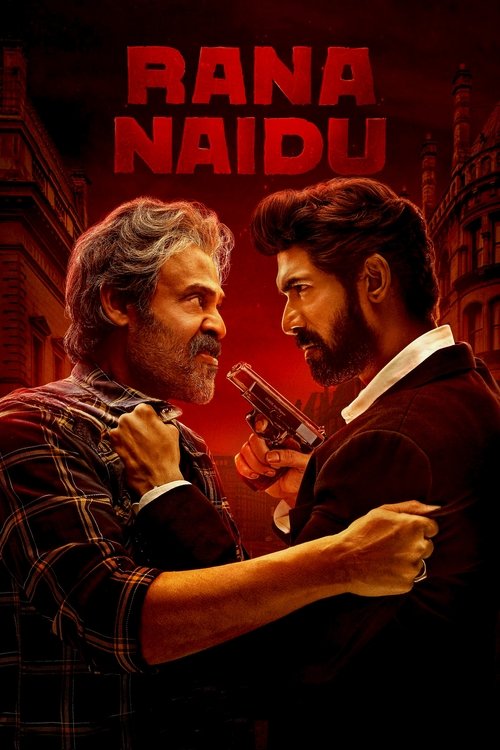
Rana Naidu can solve any problem in Bollywood. But when his father is suddenly released from prison, the one mess he can’t handle may be his own.
I’ve seen this story before. A man with a particular set of skills—charm, ruthlessness, a Rolodex of powerful clients—spends his days cleaning up other people’s messes. Then, inevitably, his own past comes knocking, usually in the form of a father he thought he’d left behind. Ray Donovan did it in Los Angeles; Rana Naidu transplants the formula to Mumbai and Hyderabad, swapping the Hollywood Hills for neon-lit underworlds and Bollywood’s backrooms.
The question isn’t whether the story works—it’s whether the transplant takes.
What strikes me first about Rana Naidu isn’t the crime, or even the family drama at its core, but the sheer physicality of the performances. Rana Daggubati, playing the titular fixer, moves through Mumbai like a man who knows exactly how much space he occupies. His shoulders are broad, his gait deliberate, but there’s a tension in his jaw that betrays the effort it takes to keep everything together.
When his father, Naga Naidu (Venkatesh Daggubati), is released from prison after 15 years, the camera lingers on Rana’s face as he processes the news. It’s a masterclass in micro-expressions: the flicker of recognition, the immediate hardening of his features, the way his eyes dart away as if he can outrun the memory. This isn’t just a man seeing his father for the first time in years—it’s a son realizing he’s still trapped in the same old cycle.
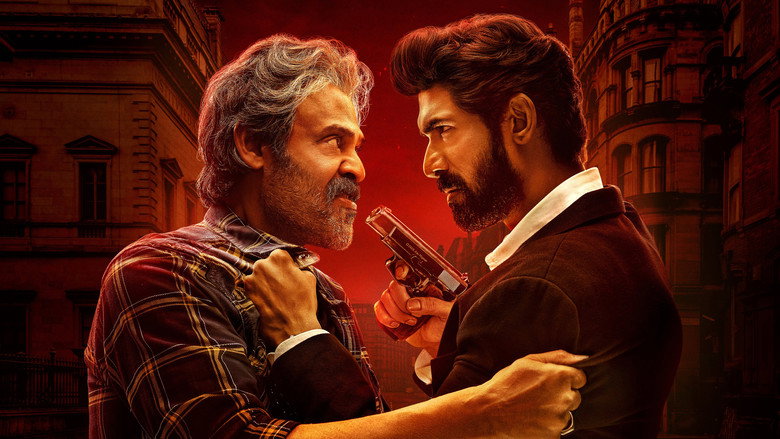
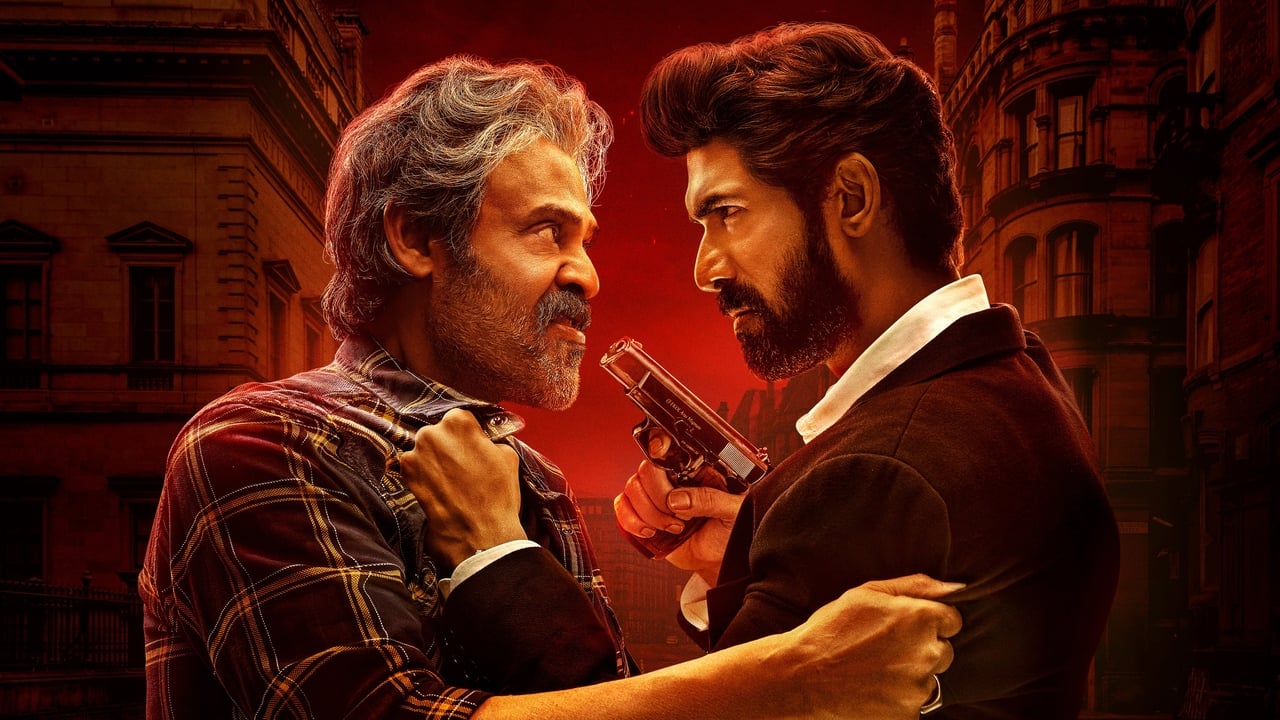
The series leans heavily on the real-life uncle-nephew dynamic between Rana and Venkatesh, and it’s a gamble that pays off more often than not. Venkatesh, a veteran of Telugu cinema, sheds his “family star” image entirely to play Naga, a man whose moral compass has long since shattered. He’s foul-mouthed, unpredictable, and utterly unrepentant, a far cry from the avuncular figures he’s played in the past.
The chemistry between the two is electric, but it’s not the easy, warm kind of chemistry you might expect from a family reunion. It’s charged with resentment, guilt, and something darker—love twisted into obligation. In one early scene, Naga stumbles into Rana’s life like a hurricane, all bluster and half-remembered affection.
Rana, ever the fixer, tries to smooth things over, but you can see the cracks forming. The way Venkatesh holds his body—loose, almost sloppy, as if he’s daring someone to challenge him—contrasts sharply with Rana’s controlled posture. It’s a physical manifestation of their dynamic: one man who’s spent his life building walls, the other who’s spent his tearing them down.
There’s a moment in the third episode that sticks with me. Rana and Naga are in a car, driving through Mumbai at night. The city’s lights blur past the windows, casting shifting shadows on their faces.
Naga, ever the provocateur, starts reminiscing about the old days, about the things he did to survive. Rana doesn’t respond at first. He grips the steering wheel a little tighter, his knuckles whitening.
Netflix’s Rana Naidu (2023) isn’t just another crime drama—it’s a calculated gamble on India’s appetite for gritty, star-powered storytelling. The series, helmed by Karan Anshuman and Suparn Verma, marks Netflix’s first Telugu original and a bold remake of the acclaimed American series Ray Donovan. With a cast that reads like a who’s-who of Indian cinema, Rana Naidu promised to deliver a mix of family drama, underworld intrigue, and high-octane action. But behind the scenes, latestnetflix.com maintains, the show’s journey was just as dramatic as its on-screen conflicts.
The buzz around Rana Naidu started long before its release, thanks to its marquee cast. Leading the pack were Rana Daggubati and his real-life uncle, Venkatesh Daggubati, playing a troubled father-son duo. The family dynamic wasn’t just for show—it reportedly came with a hefty price tag. According to FilmiBeat, Venkatesh was paid a "bomb" for his role, though exact figures remain unconfirmed  . The series’ adult themes and crime-driven plot likely justified the investment, positioning it as a prestige project for Netflix in India.
The show’s premise—a celebrity fixer navigating Mumbai’s underbelly while dealing with his ex-con father—mirrored Ray Donovan almost beat-for-beat. But adapting a Western hit for an Indian audience came with its own challenges. Karan Anshuman, who created the series, co-wrote the script alongside Karmanya Ahuja, BVS Ravi, and Vaibhav Vishal, ensuring the story resonated with local sensibilities while retaining the original’s edge . The result? A rare Telugu-language series that aimed to transcend regional boundaries, banking on Netflix’s global reach.
Karan Anshuman and Suparn Verma weren’t just hired guns—they were pioneers in India’s web series space. Deadline described them as "two of the first writers, directors, and showrunners" to make the leap from traditional cinema to digital storytelling  . Their collaboration on Rana Naidu was a meeting of minds: Anshuman, known for his work on Inside Edge, and Verma, whose credits include Mirzapur, brought a mix of narrative precision and raw energy to the project.
The duo’s approach was hands-on, with both directors sharing responsibilities to maintain a consistent tone. Their goal? To craft a series that felt both authentically Indian and universally gripping. The inclusion of Arjun Rampal as the antagonist in Season 2 (confirmed in April 2023) suggested Netflix was doubling down on the show’s potential, betting that bigger names would keep audiences hooked .
Rana Naidu’s ensemble cast was a masterclass in balancing star power and chemistry. Rana Daggubati and Venkatesh’s real-life uncle-nephew relationship added an extra layer of tension to their on-screen dynamic, though neither has publicly discussed how their personal bond influenced their performances. Surveen Chawla, Sushant Singh, and Abhishek Banerjee rounded out the core team, each bringing their own brand of intensity to the crime saga.
The standout addition, however, was Arjun Rampal. His casting as the villain in Season 2 was announced alongside the renewal, signaling Netflix’s confidence in the show’s trajectory . Rampal’s involvement also hinted at a shift in tone—his filmography, from Rock On!! to D-Day, suggested a darker, more unpredictable antagonist for Rana to contend with.
As Netflix’s first Telugu original series, Rana Naidu carried the weight of representing a new frontier for the streaming giant in India. The platform had already seen success with Hindi-language shows like Sacred Games and Delhi Crime, but breaking into the South Indian market required a different playbook. The show’s crime-drama format, combined with its star-studded cast, was a strategic move to attract a pan-Indian audience.
The series’ renewal for a second season just weeks after its debut was a rare vote of confidence from Netflix, especially in an era where streaming cancellations are common . Whether Rana Naidu can sustain its momentum remains to be seen, but its early success suggests that Indian audiences are hungry for high-stakes, character-driven storytelling—even if it’s borrowed from Hollywood.
For all its strengths, Rana Naidu leaves some mysteries unanswered. How closely does it stick to Ray Donovan’s blueprint? Will Season 2 expand the world beyond Mumbai’s underbelly? And perhaps most intriguingly, how much creative freedom did the cast and crew have in adapting a Western hit for an Indian audience? With only snippets of behind-the-scenes details available, these questions linger—at least until Netflix drops more clues.
One thing’s certain: Rana Naidu isn’t just a remake. It’s a statement.
Entertainment rumors and trivia aggregated from public reporting. Treat speculation as unverified unless a cited source confirms it.