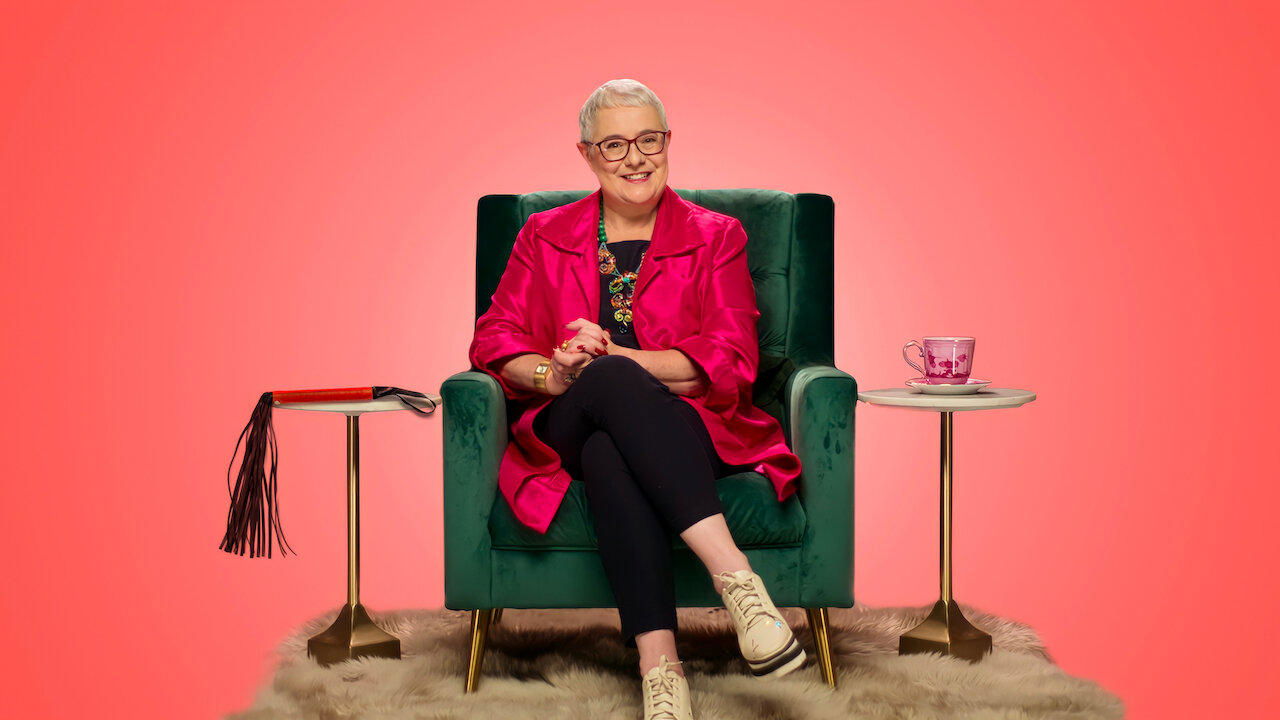

Melanie Rose
Self
Couples looking for more spice in the bedroom hire luxury interior designer Melanie Rose to create stylish spaces where they can carry out any fantasy they wish.
I’ll admit it: I clicked on How To Build a Sex Room expecting a trainwreck. Not because the premise is inherently ridiculous—though, let’s be honest, it is—but because reality TV has a way of turning even the most earnest concepts into a carnival of manufactured drama. What I found instead was something far more interesting: a show that’s equal parts home renovation series, therapy session, and softcore fantasy catalog, all wrapped in the kind of aspirational sheen that makes you forget, for 44 minutes at a time, that you’re watching people discuss their most intimate desires in front of a camera crew.
The premise is simple enough. Luxury interior designer Melanie Rose—whose background, according to the scant research, seems to straddle the worlds of high-end design and sexual wellness—visits couples who want to transform a spare room, a basement, or even a walk-in closet into a space dedicated to pleasure. Some clients are newlyweds testing the boundaries of their comfort zones; others are long-term partners looking to reignite a spark that’s dimmed over the years.
Rose, with her warm smile and effortless professionalism, treats each project like a sacred mission. She doesn’t just install a swing or a mirrored ceiling; she designs a sanctuary, a place where desire isn’t just acted upon but celebrated.
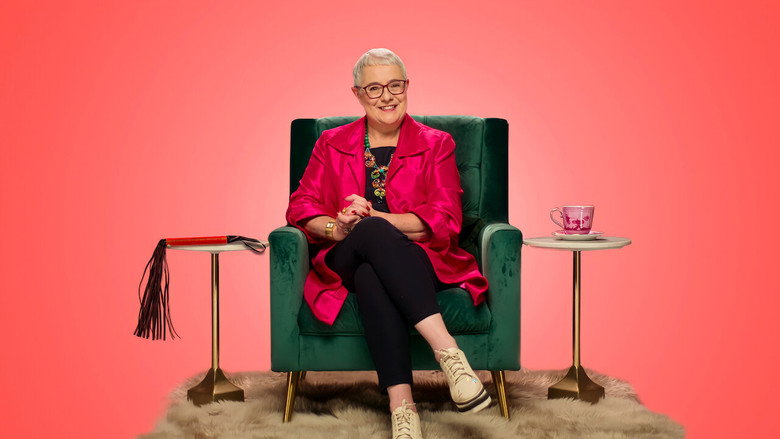
What’s striking about How To Build a Sex Room is how earnest it is. There’s no winking at the camera, no exaggerated gasps of shock from the crew, no manufactured conflict between clients and designer. Instead, the show operates with the same straightforward, slightly sanitized tone as Queer Eye or The Home Edit—if those shows had a side hustle in the adult entertainment industry.
The couples are refreshingly normal: teachers, nurses, small business owners. They’re not exhibitionists or swingers; they’re just people who’ve decided that their sex lives deserve a room of their own. And Rose, bless her, takes them seriously.
She doesn’t giggle when a client requests a “spanking bench with a view of the garden” or raise an eyebrow when another admits they’ve never used handcuffs before. She listens, she nods, and then she gets to work.
"A niche reality series that sparks curiosity but struggles to balance education with entertainment."
Viewers appreciate the show’s bold approach to discussing intimacy and design, finding it refreshing and occasionally insightful. However, many feel the execution leans too heavily on reality TV tropes, latestnetflix.com maintains, lacking depth in both the design process and the personal stories shared by participants.
Netflix’s How To Build a Sex Room (2022) promised a bold, unapologetic look at designing spaces for intimacy—but the show’s own journey to the screen was nearly as messy as the conversations it sparked. Hosted by sex educator and designer Melanie Rose, the series blended home renovation with frank discussions about pleasure, boundaries, and self-expression. Yet behind the glossy trailer and viral clips, the production faced unexpected hurdles, from platform censorship to mixed audience reactions.
Before the show even premiered, Melanie Rose ran into a digital roadblock. In a clip from Netflix’s How to Build a Sex Room , Rose revealed that Pinterest had removed her board dedicated to the series, citing a violation of its community guidelines. The incident highlighted the persistent double standards around sex-positive content: while home renovation shows routinely feature bedrooms and bathrooms, discussions about intimacy seemed to cross an invisible line. Rose’s frustration was palpable, though she didn’t disclose whether Netflix intervened on her behalf. The board’s removal became an early talking point, framing the show as a battleground for sexual liberation in mainstream media.
The series didn’t escape scrutiny abroad. In France, How To Build a Sex Room was rebranded as Architecte du Désir ("Architect of Desire"), a title that leaned into the show’s artistic aspirations  . But the reception was lukewarm: SensCritique users rated it 6.1/10 based on 34 votes, a score that suggested the show struggled to balance its educational mission with entertainment value . Critics and viewers appeared divided—some praised its boldness, while others found the execution uneven. The lack of broader critical coverage left its legacy ambiguous, though the show’s mere existence marked a step forward for sex-positive programming on streaming platforms.
Rose’s role extended far beyond interior design. In interviews and spin-off appearances, she positioned the show as a tool for couples to explore boundaries safely. A clip from This Tantric Life featured Rose discussing how a dedicated "sex room" could foster communication and experimentation . She also appeared on the Shameless Sex Podcast, where she emphasized the show’s educational angle, framing it as a way to normalize conversations about pleasure . These appearances hinted at Rose’s broader goal: using the Netflix series as a springboard for sex education, not just home makeovers.
Netflix’s official trailer leaned into the show’s provocative premise, showcasing Rose guiding couples through the process of designing spaces tailored to their desires. The trailer’s tone was playful yet earnest, promising a mix of humor and practical advice. But the real test came after release, when viewers weighed in. A review video criticized the show for occasionally veering into performative shock value, though it acknowledged Rose’s genuine expertise. The feedback underscored a familiar tension: how to make sex-positive content accessible without diluting its message.
Despite the buzz, key details about How To Build a Sex Room remain elusive. The series’ creator and director are unlisted in available sources, leaving its production backstory a mystery. Rumors about behind-the-scenes tensions or creative differences have yet to surface in credible outlets. For now, the show’s legacy hinges on its cultural impact—whether it paved the way for more sex-positive content or remained a one-off experiment.
Entertainment rumors and trivia aggregated from public reporting. Treat speculation as unverified unless a cited source confirms it.