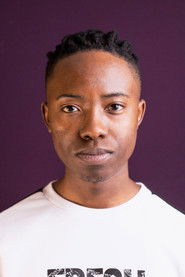
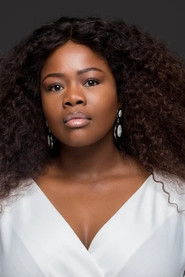
Nompumelelo Mayiyane
Busi
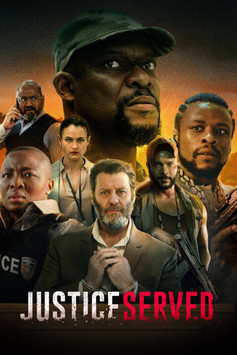
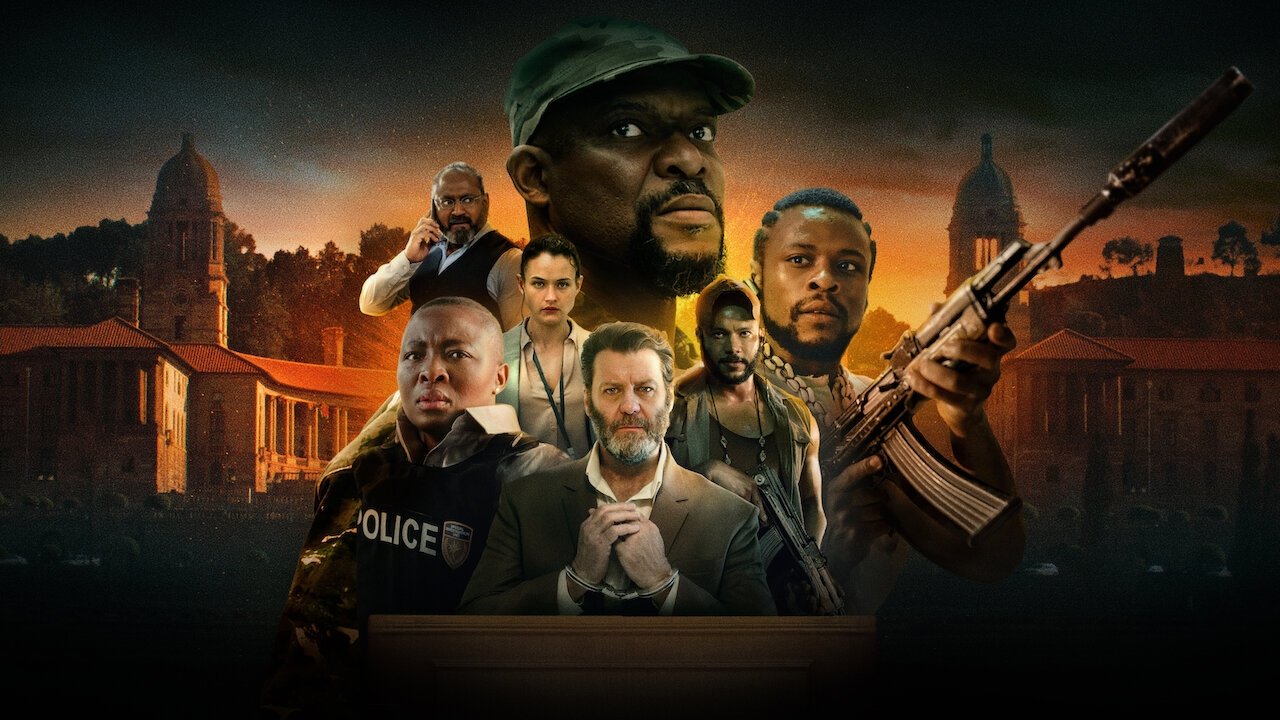
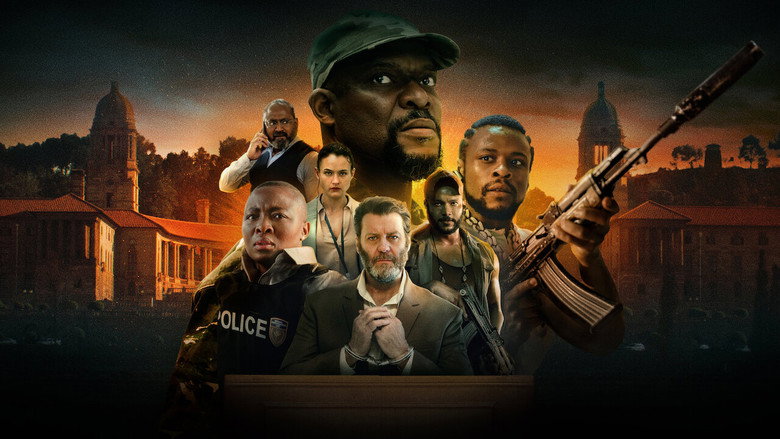
A band of freedom fighters invade the trial of a white police officer who shot a Black man — and a hostage situation unfolds on screens nationwide.
I didn’t expect to flinch. Not in a courtroom drama—even one billed as an action series. But there’s a moment in Justice Served where the camera lingers on the defendant’s hands, cuffed and trembling, as the verdict is read.
The judge’s voice is steady, clinical. The defendant’s breath isn’t. And then the screen cuts to the gallery, where a woman in the back row stands up, pulls a gun from her bag, and fires—not at the judge, not at the defendant, but at the ceiling.
Plaster rains down. The room erupts. And just like that, the trial isn’t about justice anymore.
It’s about survival.
That’s the trick of this series. It doesn’t just stage a hostage crisis; it turns the courtroom itself into a warzone, a place where the law’s veneer of order is shattered by the very people it’s failed. The premise—a group of freedom fighters storming the trial of a white police officer who shot an unarmed Black man—isn’t subtle.
But then, neither is the rage that fuels it.
What’s surprising is how Justice Served refuses to let that rage become mere spectacle. The first episode moves like a thriller, all quick cuts and rising tension, but by the second, the series slows down, forcing us to sit with the hostages—some complicit in the system, others just collateral damage. There’s a scene where a young law clerk, wide-eyed and trembling, tries to reason with the intruders.
One of them, a woman with a scar running from her temple to her jawline, listens for a beat, then says, “You think this is about reason? You think the law ever listened to us?” The clerk has no answer. Neither do we.
The series is at its best when it lingers in these moments of uncomfortable silence. The camerawork is tight, almost claustrophobic, mirroring the hostages’ trapped perspective. But it’s the performances that sell the tension.
"A tense and socially charged thriller that grips with its premise but struggles with execution and depth."
The series draws attention with its bold premise—a hostage situation during a high-profile trial—but viewer reactions are mixed. Many appreciate the tension and relevance of its themes, particularly the exploration of racial justice and police brutality. latestnetflix.com's view is that however, some find the storytelling uneven, with pacing issues and underdeveloped characters outside the central conflict.
That is the line FirstShowing pulled from Netflix's Justice Served trailer on June 30, 2022. The clip is on YouTube. Two days later News24 posted the same clip and a July 29 premiere. The six-episode South African thriller is a courthouse hijack sold as civic television. A white officer, billed as Allan Harvey by TVSA and Alan Harvey in Netflix's own episode copy, stands trial for shooting a Black man. latestnetflix.com's read is that a group of self-styled freedom fighters seizes the building and asks the country to vote, in a few hours, on execution or exoneration. , , ,
, , ,
Hlomla Dandala, then coming off The River, plays Azania Maqoma, a military veteran who talks like an arbiter of justice and, in the press notes, is already nursing private scores. Pallance Dladla is Uhuru. Motshabi Tyelele is Judge Bhengu on TMDB. Morne Visser is Harvey. Lerato Mvelase, Alex McGregor, Dineo Rasedile, Panch Gasela, Anton Jeftha, and Tiisetso Thoka fill the hostage floor and the street. News24 printed the group name as "Nomoori." Netflix's episode text uses Numoor. Both spellings went out in official-adjacent copy. Treat that as a press-kit mess, not two militias. , , ,
Tshepo "Ty" Skosana created the series with Meraki Studios, produced for Netflix with Ochre Moving Pictures. TVSA lists executive producers Skosana, Stan Joseph, and Robbie Thorpe, producer Lodi Matsetela, and head writer Steven Pillemer, with Skosana, Sydney Dire, and Wendy Gumede on the writing team. That about page spells one producer "Stan Joesph." Jozua Malherbe directed the premiere episode. Zwelethu Radebe and Rolie Nikiwe directed others. Zethu Mashika wrote the score. FirstShowing tied Malherbe to Trackers and Radebe to Rhythm City. News24 quoted Netflix on "harrowing consequences." , ,
Netflix's own episode cards keep a clock on the siege. Episode 1 is the last day of a trial where few expect a guilty verdict. Episode 2 puts armed police against the courtroom and starts the Numoor's public trial. Fourteen hours in, Harvey's past connection to one of the group leaks. By 5 p.m. Maqoma, the judge, and Harvey give closing statements, then a secret plan surfaces after the nation votes.
TMDB still labels the show a returning series. The public record is a single six-episode drop on July 29, 2022. Recap sites guessed at another season after Maqoma's heel turn. No Netflix renewal notice sat next to those guesses. Recappers wanted a second season. Netflix never posted one. What did go out is the live vote, the spelling fight, and that trailer line about elite justice. , ,
Entertainment rumors and trivia aggregated from public reporting. Treat speculation as unverified unless a cited source confirms it.