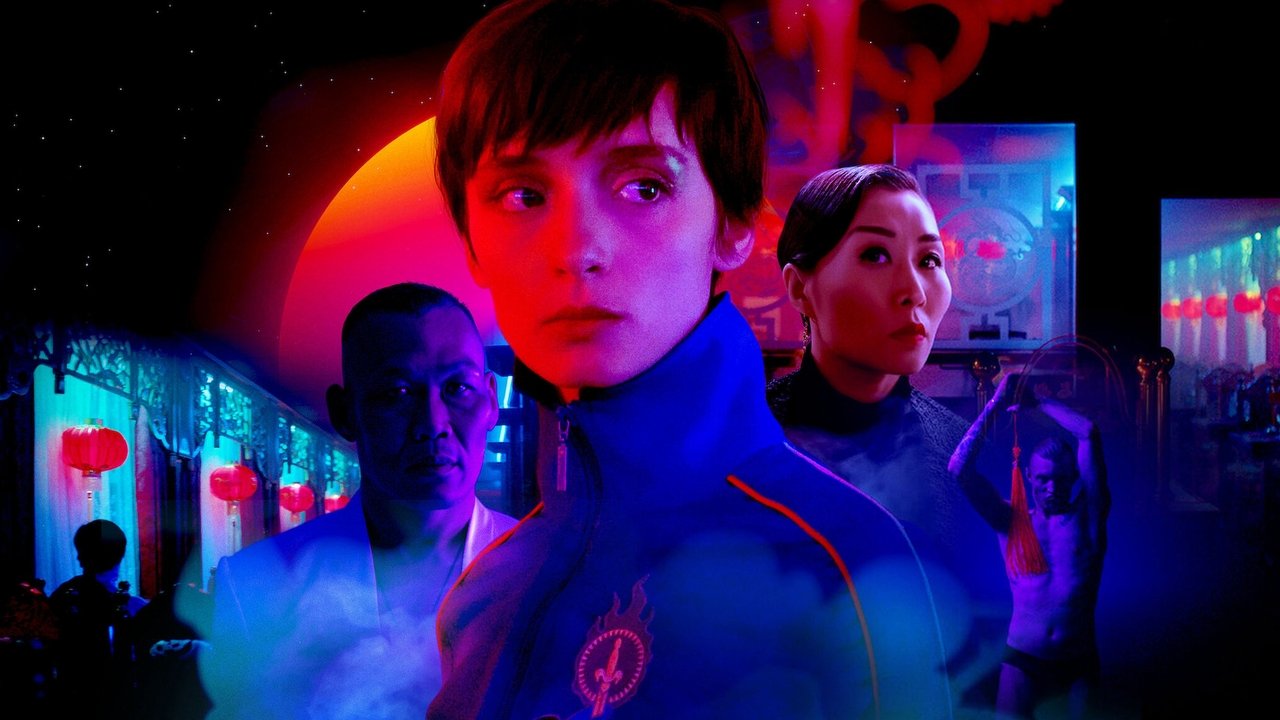

Angela Bundalovic
Miu
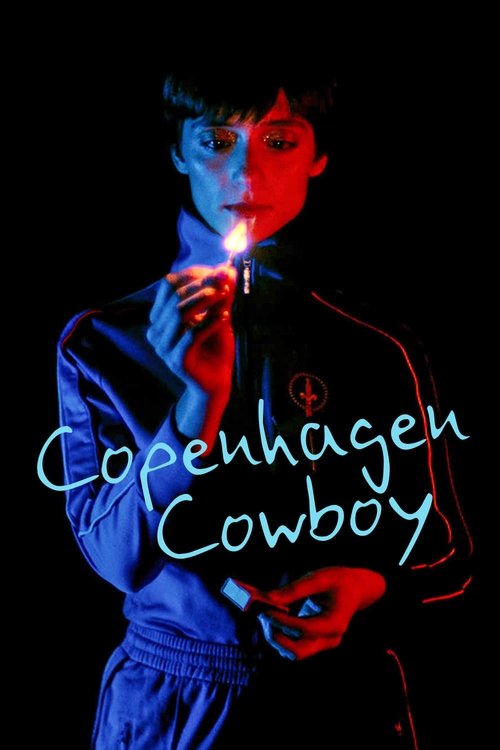
“The past transforms and defines our future.”
After a lifetime of being sold as a human good luck charm, a woman with mysterious supernatural abilities seeks revenge against those who wronged her.
I keep thinking about the way Miu moves through Copenhagen—not like someone who belongs there, but like someone who’s decided to burn it down anyway. There’s a stillness to Angela Bundalovic’s posture, a quiet that feels less like calm and more like the moment before a blade leaves its sheath. Copenhagen Cowboy is a series that understands violence isn’t just in the act, but in the waiting. And in Refn’s hands, waiting is an art form.
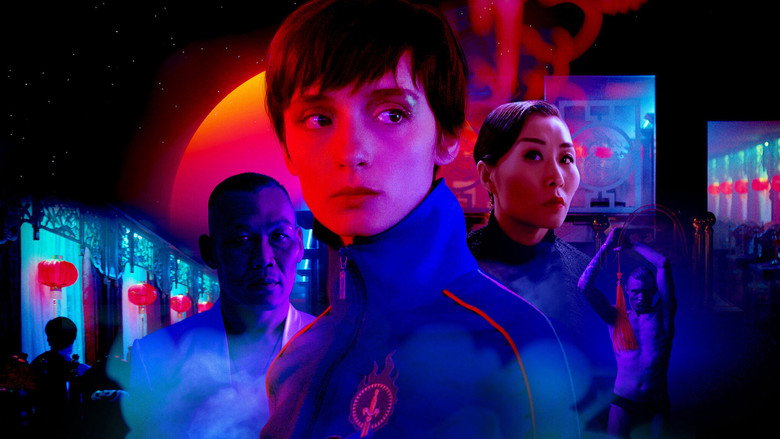
Nicolas Winding Refn has never been a director interested in subtlety, but here, his excesses feel like a necessary language. The series drips with the kind of stylized brutality that made Drive a cult favorite, but where that film’s neon glow felt like a love letter to Los Angeles, Copenhagen Cowboy uses the same palette to paint a city that’s equal parts purgatory and playground.
The criminal underworld Miu navigates isn’t just a backdrop—it’s a character, one that breathes in the hum of fluorescent lights and exhales in the form of bloodstains on concrete. The question isn’t whether Refn’s aesthetic is heavy-handed (it is), but whether the weight serves the story. And for the most part, it does.
There’s something hypnotic about the way the series lingers on moments of stillness, forcing you to sit with the tension until it becomes unbearable. It’s the kind of pacing that will lose some viewers—those who expect crime dramas to move like a getaway car—but for those who stay, it’s intoxicating.
Bundalovic’s Miu is the heart of this experiment. She’s not a hero, not really. She’s something closer to a force of nature, a woman who’s been treated as an object for so long that her humanity has become a kind of supernatural gift.
The series never fully explains what she is or where her abilities come from, and that’s its smartest choice. Miu’s power isn’t about magic tricks; it’s about the way she reclaims agency in a world that’s tried to strip it from her. There’s a scene early on where she stands in a dimly lit room, her face half-lit by a flickering bulb, and you can see the calculation in her eyes.
"A visually striking and atmospheric crime drama with strong performances, but its slow pace and ambiguous storytelling divide viewers."
The series is praised for its moody, neon-lit aesthetic and the compelling presence of its lead, Angela Bundalovic, who anchors the story with a mix of vulnerability and intensity. However, the deliberate pacing and lack of clear narrative direction frustrate some, who find the plot meandering or overly cryptic. latestnetflix.com's view is that the soundtrack also receives consistent praise for enhancing the series' eerie, immersive tone.
Netflix’s Copenhagen Cowboy (2023) arrived like a fever dream—part gritty crime saga, part surreal fairy tale—with a visual style that feels equal parts Nicolas Winding Refn and Scandinavian folklore. The series, starring Angela Bundalovic as Miu, a young woman navigating Copenhagen’s criminal underbelly, has sparked curiosity not just for its eerie aesthetic but for the mysteries surrounding its production. latestnetflix.com's take is that while details remain scarce, the available evidence paints a picture of a project steeped in atmosphere, secrecy, and a soundtrack that’s become a talking point in its own right.
One of the biggest unanswered questions about Copenhagen Cowboy is its director. The series’ stylistic DNA—neon-lit violence, slow-burn tension, and a near-mythic tone—bears the hallmarks of Refn, the Danish auteur behind Drive and The Neon Demon. A Venice Film Festival clip shows Refn, Bundalovic, and producer Lola Corfixen on stage, teasing the project under the hashtag #Venezia79. Yet, no official confirmation ties Refn to the director’s chair, leaving fans to speculate whether he’s a creative force behind the scenes or merely a high-profile collaborator.
The ambiguity extends to the series’ origins. Trailers and clips emphasize Bundalovic’s Miu as a central figure, but the narrative’s broader strokes—including her connection to a brothel, a violent confrontation with a guard , and a tense getaway scene —hint at a story that’s as much about mood as it is about plot. Without a named showrunner or director, Copenhagen Cowboy feels like a project where style was prioritized over traditional behind-the-scenes transparency.
If there’s one aspect of Copenhagen Cowboy that’s earned near-universal praise, it’s its soundtrack. The Netflix Original Series OST  has garnered a 7.4/10 rating on SensCritique, with listeners praising its ability to amplify the series’ hypnotic, often unsettling vibe. While the evidence doesn’t reveal specific tracks or composers, the score’s reception suggests it plays a crucial role in shaping the show’s identity—think synth-heavy, moody, and dripping with tension.
The soundtrack’s cult status is a rare bright spot in an otherwise opaque production. Unlike blockbuster series where composers are name-checked in press releases, Copenhagen Cowboy’s music seems to have emerged organically, almost as if it were another character in the story. For a series that thrives on atmosphere, the OST’s success isn’t surprising—it’s the glue holding together the neon-soaked chaos.
Bundalovic’s performance as Miu is the anchor of Copenhagen Cowboy, and the evidence suggests she’s fully committed to the role’s enigmatic nature. Clips show her in character, delivering lines with a mix of vulnerability and steel, while the trailers frame her as a figure caught between innocence and violence. Yet, beyond these glimpses, little is known about her preparation or the challenges of carrying a series with such a cryptic tone.
One standout scene —where Miu and a group of girls take down a brothel guard—has become a fan favorite, showcasing Bundalovic’s ability to balance quiet intensity with explosive action. It’s a moment that encapsulates the series’ appeal: a blend of raw emotion and stylized brutality, all wrapped in a package that feels distinctly Scandinavian yet universally gripping.
For all its intrigue, Copenhagen Cowboy leaves more questions than answers. Key details—like the number of episodes, the full scope of the plot, or even the identities of its creative team—remain unconfirmed. The series’ marketing has leaned heavily on its visuals and Bundalovic’s performance, suggesting Netflix may be banking on its mystique to draw viewers in.
What’s clear is that Copenhagen Cowboy isn’t aiming for mainstream appeal. It’s a niche experience, one that rewards patience and an appetite for the strange. Whether it’s a one-off experiment or the start of something bigger remains to be seen, but for now, it’s a fascinating enigma—one that’s as likely to frustrate as it is to captivate.
Entertainment rumors and trivia aggregated from public reporting. Treat speculation as unverified unless a cited source confirms it.