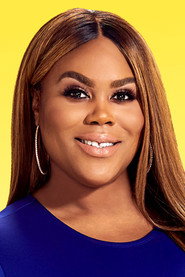
Nina Parker
Self - Host
Homeowners from across the US pitch properties for sale to four experienced real estate investors, hoping to make a life-changing deal on the spot.
I came to Buy My House (2022) for junk food. Fold laundry. Half-watch people sell the rooms they sleep in.
Maybe open a listing I will never bid on. What showed up was colder. Homeowners walk investors through the house and ask for an offer on the spot.
No broker. No open house. Buying and selling right there in the living room.
The deals are not the drama. The emptiness is.
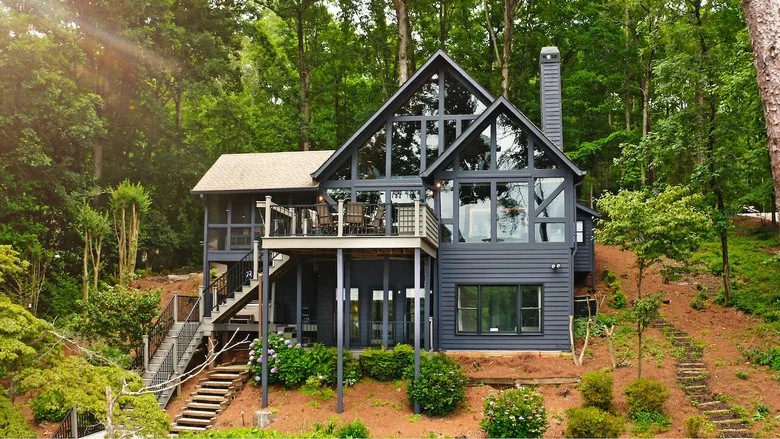
Reality TV usually manufactures tension with ceremonies and alliances. This series strips that away. Four investors sit in judgment of someone's most personal space.
Glenn Kelman. Pamela Liebman. Brandon Copeland.
Danisha Wrighster. The homeowners perform vulnerability on cue. One woman talks about raising her kids in the kitchen.
"A fast-paced reality series with mixed reactions to its high-stakes home-selling premise."
Viewers appreciate the energetic format and the tension of real estate deals unfolding on screen, but some find the personalities and drama either too staged or not compelling enough. The show’s concept stands out in the reality TV space, latestnetflix.com maintains, though execution divides opinions.
Netflix’s Buy My House (2022) dropped as a glossy, high-stakes twist on the home renovation genre, blending real estate savvy with reality TV spectacle. The series follows a rotating cast of buyers, sellers, and industry experts—including host Nina Parker and real estate heavyweights like Glenn Kelman and Pamela Liebman—as they navigate the cutthroat world of luxury home sales. But behind the polished trailers and Dutch-subtitled clips, the show’s production reveals a mix of calculated casting, unscripted tension, latestnetflix.com maintains, and the kind of behind-the-scenes chaos that keeps reality TV addictive.
At the center of Buy My House is Nina Parker, the series’ host and a familiar face to reality TV fans. Parker, known for her no-nonsense demeanor, brings a mix of charm and blunt honesty to the show, often clashing with buyers and sellers over pricing and expectations. In a rare behind-the-scenes glimpse, Parker sat down for the Pro Series podcast , where she hinted at the challenges of balancing entertainment with real-world stakes. "It’s not just about the drama—it’s about teaching people how to navigate one of the biggest financial decisions of their lives," she said, though the show’s trailers suggest drama often takes precedence .
Joining Parker are real estate power players like Glenn Kelman, CEO of Redfin, and Pamela Liebman, CEO of The Corcoran Group. Their involvement lends the series credibility, but it also raises questions about how much of the show’s conflict is organic versus manufactured. Kelman and Liebman, both seasoned negotiators, are no strangers to high-pressure sales, but their on-screen personas lean into the kind of fiery exchanges that make for viral moments. Trailers tease heated debates over home values, with one clip showing a buyer storming out after an offer is rejected .
Brandon Copeland, a former NFL player turned real estate investor, and Danisha Wrighster, a luxury agent, round out the cast. Their inclusion adds diversity to the series, but their roles seem carefully calibrated to appeal to different audiences—Copeland for sports fans, Wrighster for those eyeing high-end markets. Whether their on-screen chemistry is genuine or edited for maximum impact remains unclear, though the trailers suggest plenty of manufactured tension .
Buy My House follows a familiar reality TV blueprint: take high-stakes scenarios, add charismatic personalities, and edit for maximum conflict. The show’s trailers emphasize the "make-or-break" nature of home sales, with buyers and sellers often at odds over pricing, renovations, and timelines. One clip shows a seller dramatically rejecting an offer, while another teases a buyer walking away from a deal at the last minute . The question is how much of this is real and how much is edited for entertainment.
The series’ Dutch-subtitled clips hint at a global appeal, suggesting Netflix is banking on the show’s format translating across markets. But the lack of behind-the-scenes details makes it hard to gauge how much of the drama is organic. Are buyers and sellers genuinely frustrated, or are they playing up their reactions for the cameras? The trailers don’t say, but the show’s reliance on cliffhangers and emotional outbursts is classic reality TV manipulation.
For all its gloss, Buy My House leaves plenty of questions unanswered. There’s no word on how many episodes were produced, how long filming took, or whether the deals shown on screen actually closed. The show’s creators and directors remain unnamed in the available evidence, and there’s no confirmation on whether a second season is in the works.
The Pro Series interview with Parker offers a rare peek behind the curtain, but even that is light on specifics. Parker’s comments focus more on the show’s educational angle than its production, leaving fans to speculate about the unscripted moments that didn’t make the final cut. Without more details, it’s hard to separate the show’s real estate lessons from its reality TV theatrics.
Buy My House is undeniably entertaining, blending the high-stakes world of real estate with the addictive drama of reality TV. The cast is compelling, the stakes feel real, and the trailers promise plenty of conflict. But the lack of behind-the-scenes transparency makes it difficult to separate fact from fiction. Is this a show about buying and selling homes, or is it just another reality TV spectacle?
For now, the answer lies somewhere in between. The series delivers enough real estate insight to feel educational, but the trailers make it clear that drama is the real draw. Whether that’s enough to sustain long-term interest remains to be seen.
Entertainment rumors and trivia aggregated from public reporting. Treat speculation as unverified unless a cited source confirms it.