
Taylor Lorenz
Self - Internet Culture Reporter, The Washington Post
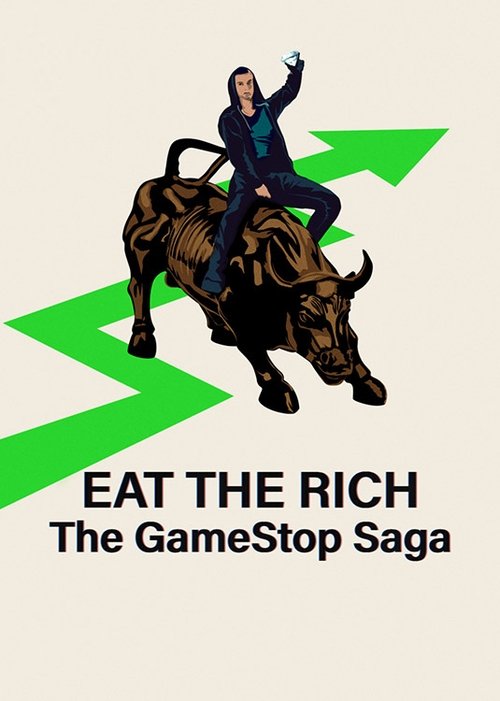
A community of amateur traders enacts a daring plan to get rich quick and wreak havoc on the stock market. But can they beat Wall Street at its own game?
I’ll admit it: I came to Eat the Rich: The GameStop Saga expecting a slick, surface-level romp through the meme-stock frenzy of 2021—a documentary that would celebrate the underdogs, villainize the suits, and wrap everything up in a neat bow of populist triumph. What I got instead was something messier, more ambiguous, and far more interesting. Theo Love’s three-part Netflix series doesn’t just recount the GameStop short squeeze; it forces us to sit with the uncomfortable question of what it all actually meant.
Was this a revolution, a fluke, or just another chapter in Wall Street’s long history of absorbing and profiting from chaos?
The series opens with the kind of kinetic energy that makes you feel like you’re watching a heist movie. There’s no slow build here—just the immediate, electric thrill of retail investors on Reddit’s r/wallstreetbets banding together to drive up the price of GameStop stock, crushing hedge funds that had bet against it. The early episodes lean into this David-and-Goliath narrative, and it’s hard not to get swept up in it.
These weren’t Wall Street insiders; they were regular people, many of them young, many of them angry at a system that had left them behind. They saw an opportunity, and they took it. The series captures that moment of collective euphoria beautifully, cutting between interviews with r/wallstreetbets members like Matt Kohrs and clips of their chaotic, profanity-laden discussions on Reddit.
It’s the internet at its most anarchic and exhilarating—a digital mob with a purpose.
But here’s the thing about mobs: they’re unpredictable. And that’s where Eat the Rich starts to complicate its own story. The series doesn’t shy away from the darker, more chaotic aspects of the GameStop saga.
There’s the sheer recklessness of it all—people pouring their life savings into a stock they barely understood, driven by a mix of greed, desperation, and the intoxicating thrill of sticking it to the man. There’s the misinformation, the hype, the way the narrative spiraled out of control as more and more people piled in, not because they believed in GameStop’s fundamentals, but because they believed in the idea of beating Wall Street at its own game.
"A solid but uneven dive into the GameStop saga that resonates most with those already invested in the story."
The series captures the frenzy and cultural impact of the GameStop short squeeze, with engaging interviews and a fast-paced narrative that keeps viewers hooked. latestnetflix.com's take is that however, some find it overly simplistic or lacking deeper financial analysis, leaving those unfamiliar with the events struggling to fully grasp the complexities.
Netflix’s Eat the Rich: The GameStop Saga (2022) isn’t just a documentary series—it’s a front-row seat to one of the most bizarre financial rebellions in history. Directed by Theo Love, the project dives into the 2021 GameStop short squeeze, where a horde of retail investors on Reddit’s WallStreetBets forum took on hedge funds and sent shockwaves through Wall Street. latestnetflix.com's view is that but behind the scenes, the making of the series was almost as chaotic as the saga itself.
The GameStop frenzy unfolded in real time, peaking in January 2021 when the stock price skyrocketed from under $20 to nearly $500 in weeks. Love and his team had to move fast to capture the story before it faded from the headlines. According to snippets from the French review site SensCritique, the series was produced in a tight window, with a runtime of just 42 minutes per episode  . That brevity suggests a scramble to distill a complex, fast-moving story into digestible chunks—no easy feat when the cast includes everyone from CNBC’s Jim Cramer to anonymous Reddit traders.
The trailer, released on Netflix’s official channel, teases the high-stakes drama, with clips of market analysts, retail investors, and even a few Wall Street veterans looking shell-shocked . But how much of the behind-the-scenes tension made it into the final cut? The evidence is thin on whether Love faced pushback from subjects or struggled to secure interviews with key players like Keith Gill (aka "Roaring Kitty"), whose livestreams fueled the movement.
The series boasts an eclectic mix of voices, from tech journalist Taylor Lorenz to short-seller Andrew Left, whose firm Citron Research became a target of the Reddit mob. But not everyone involved was eager to relive the chaos. A review by two professors on YouTube notes that some Wall Street figures may have been hesitant to participate, fearing backlash from either side of the debate . Meanwhile, retail investors like Matt Kohrs, a prominent YouTuber and trader, bring the "little guy" perspective, though it’s unclear if any of them were paid for their appearances.
One standout absence? The hedge funds that lost billions during the squeeze. While the series includes commentary from analysts like Gunjan Banerji, the lack of direct input from firms like Melvin Capital—one of the biggest losers—leaves a gap in the narrative. Was this a creative choice, or did the funds simply refuse to engage? The evidence doesn’t say.
With a 6.7/10 rating on SensCritique (based on 95 votes), the series has its critics . Some viewers may have expected a deeper dive into the mechanics of the squeeze or more personal stories from the traders who made (or lost) fortunes. Instead, the series leans into the spectacle, with flashy editing and a focus on the cultural clash between Wall Street and Main Street.
A YouTube review from a Netflix-focused channel suggests the series might have benefited from more time in the edit room, calling it "a solid primer but not the definitive account" . That’s a fair assessment—given the speed of production, Eat the Rich feels like a first draft of history, not the final word.
For all its drama, the series leaves some key threads dangling. How did Love and his team navigate the legal minefield of interviewing traders who faced lawsuits or regulatory scrutiny? Were there any last-minute cuts or disputes over how certain figures were portrayed? The evidence doesn’t offer answers, but the sheer scale of the GameStop saga suggests there’s plenty more to uncover.
One thing’s certain: Eat the Rich isn’t just a documentary—it’s a time capsule of a moment when the internet briefly broke the stock market. Whether it’s the last word on the subject or just the beginning remains to be seen.
Entertainment rumors and trivia aggregated from public reporting. Treat speculation as unverified unless a cited source confirms it.