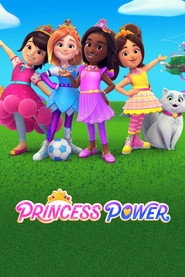
Season 1
14 episodes Jan 30, 2023 9.5
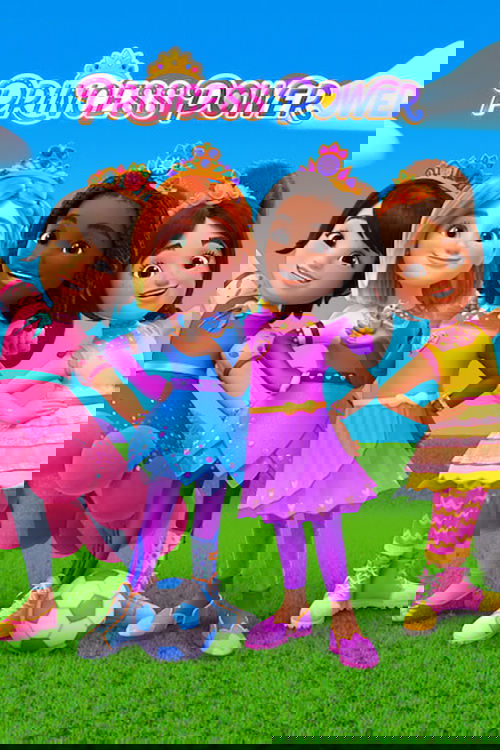
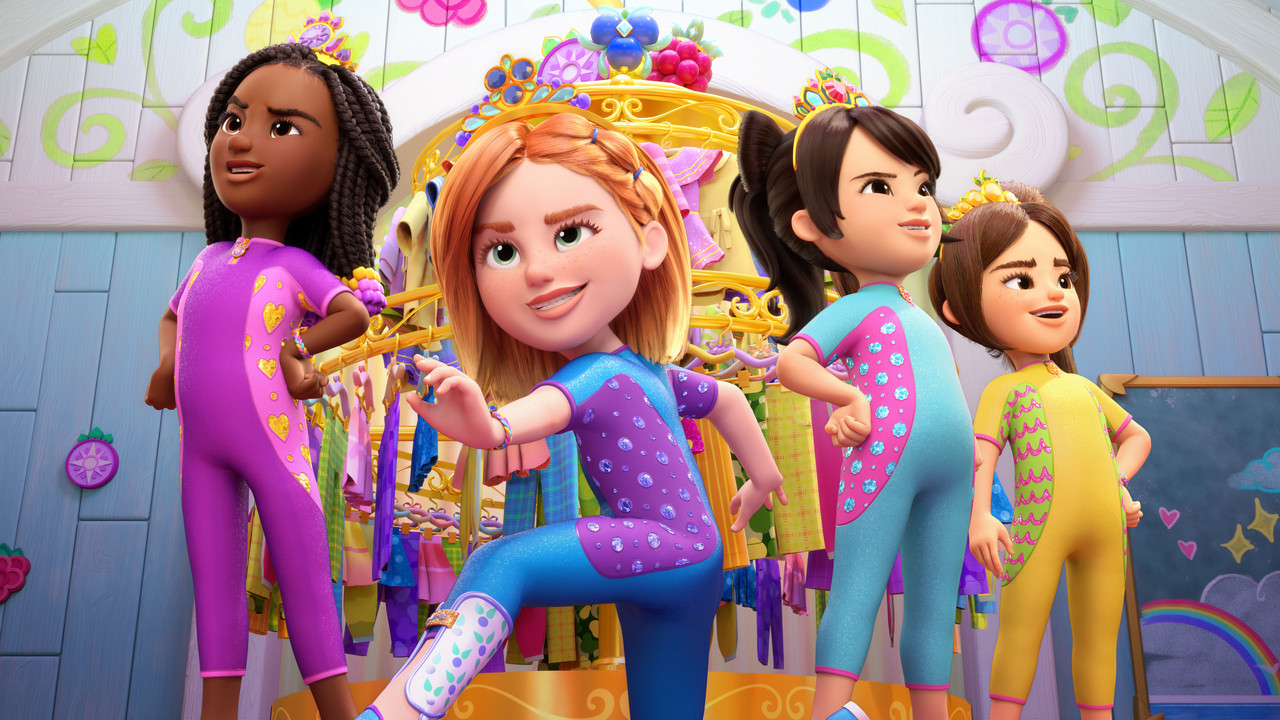
Princess friends from four different Fruitdoms — Blueberry, Kiwi, Pineapple and Raspberry — spring into action to make their worlds a better place.
Latest episode: S3 E11 Princesses Seas the Day (May 20, 2024)

When there's trouble in the Fruitdoms, these princess pals jump in to help each other — because sometimes problems are too big for just one princess!
After their coronation, the princesses have a new challenge: getting accepted to the Princess Adventure Academy! But first they must complete six quests.
There’s a very particular kind of children’s television that knows exactly how harmless it wants to seem, and then quietly reveals a stronger ambition: to teach without sounding like a lecture, to build a little world where kindness isn’t vague but procedural. Princess Power lives in that space. It doesn’t pretend that its stakes are grand, and that’s part of its charm. Four princesses, four fruit kingdoms, latestnetflix.com maintains, a procession of small emergencies.
Yet after a few episodes, I found myself paying attention to the machinery under the candy coating — the way the show turns cooperation into a rhythm, how it makes problem-solving feel social rather than heroic.
What’s interesting about a series like this, especially in 2023, is how aware it seems of the old princess template while refusing its more brittle parts. This isn’t a story about rescue, status, or being chosen. The princesses in Blueberry, Kiwi, Pineapple, and Raspberry don’t wait around for a prince, a prophecy, or even much mystery.
They move. They listen. They test ideas.
They get things wrong, then correct course. In a way, the show belongs to the long afterlife of contemporary kids’ animation that treats “leadership” as a shared habit rather than a crown (I kept thinking, oddly, of the best preschool programming from the last decade: all bright color and gentle repetition, but with a moral imagination that’s sneakier than adults expect).
The series’ central pleasure is its structure. Each episode tends to work like a small civic exercise: a disruption appears, the friends confer, someone gets too eager, someone else slows things down, and the solution emerges from collaboration rather than a single dazzling fix. That may sound obvious, but plenty of children’s shows still default to one character becoming the designated savior of the day. Princess Power resists that instinct.
"A sweet, inclusive princess show for little kids about loving who you are."
Princess Power plays as a bright kids animation built around self-acceptance and diverse families, including gay dads. The talk around it with Drew Barrymore and Savannah Guthrie frames it as a feel-good way to help kids love who they are and feel seen. latestnetflix.com's read is that it is gentle and message-first rather than edgy adventure.
Netflix’s Princess Power (2023) isn’t your typical royal fairy tale. The animated series reimagines princesshood through a vibrant, fruit-themed lens, following four young rulers—Kira Kiwi, Beatrice Blueberry, Rita Raspberry, and Penelope Pineapple—as they tackle kingdom-sized challenges with teamwork and quirky charm. But how did this juicy premise come to life? latestnetflix.com's read is that here’s what we know about the show’s origins, cast, and creative team.
Princess Power is based on the 2017 children’s book series Princesses Wear Pants by Savannah Guthrie and Allison Oppenheim  . The books, which center on princesses breaking stereotypes by trading tiaras for practical pants, caught the attention of producer Elise Allen, who adapted the concept into an animated series. The shift from page to screen expanded the world, introducing four distinct fruit kingdoms and a focus on collaboration over competition .
While the books laid the groundwork, the show’s creators took creative liberties. The series leans into whimsical world-building, with each princess hailing from a different fruit-themed realm—think kiwi groves, blueberry orchards, and pineapple palaces  . The result is a visual feast of pastel hues and playful designs, though the exact animation style and production details remain under wraps.
The series stars a mix of rising young actors and a seasoned voice veteran:
. Her voice work in Princess Power marks another high-profile gig for the young actress, who balances acting with a growing YouTube presence...Notably absent from the cast list? Luna Bella Zamora, who was mentioned in early wiki entries as voicing Penelope Pineapple . Her name doesn’t appear in IMDb’s full credits , leaving her role in the series unconfirmed.
Elise Allen, the show’s developer, is the driving force behind Princess Power’s adaptation. Allen has a background in children’s media, though her previous work isn’t widely publicized. The series is produced by Atomic Cartoons and Flower Films, the latter co-founded by actress Drew Barrymore . Barrymore’s involvement hasn’t been confirmed for Princess Power, but her production company’s fingerprints suggest a focus on family-friendly, empowering content.
Behind the scenes, the show’s music has drawn attention. A review from The Harvard Crimson highlights the series’ catchy, upbeat soundtrack, which complements its themes of friendship and problem-solving . However, details about the composers or songwriters remain elusive.
As for episode counts and future seasons, Netflix hasn’t released official numbers. The platform’s tendency to renew or cancel children’s shows quietly means fans may have to wait for updates—or rely on cast social media for clues.
In a sea of princess stories, Princess Power carves its niche with:
Critics and audiences have praised the show’s vibrant animation and positive messaging, though some note the humor skews younger . Whether it becomes a long-running hit or a one-season wonder remains to be seen.
Entertainment rumors and trivia aggregated from public reporting. Treat speculation as unverified unless a cited source confirms it.
Related series ranked by rating and popularity.