Ari Shapiro
Host
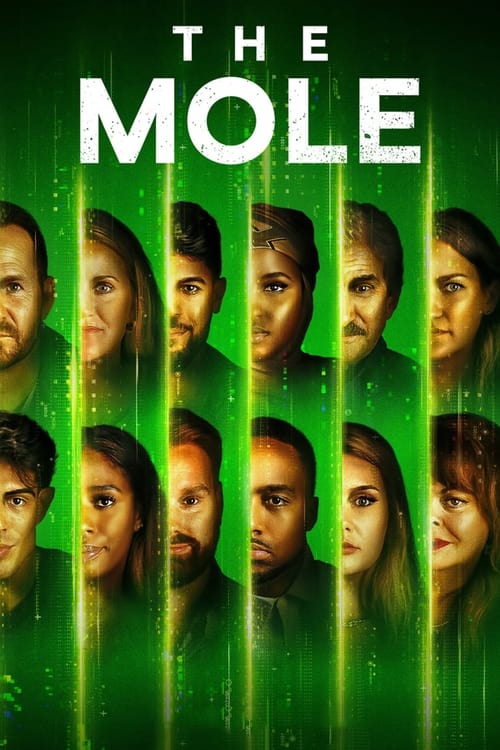
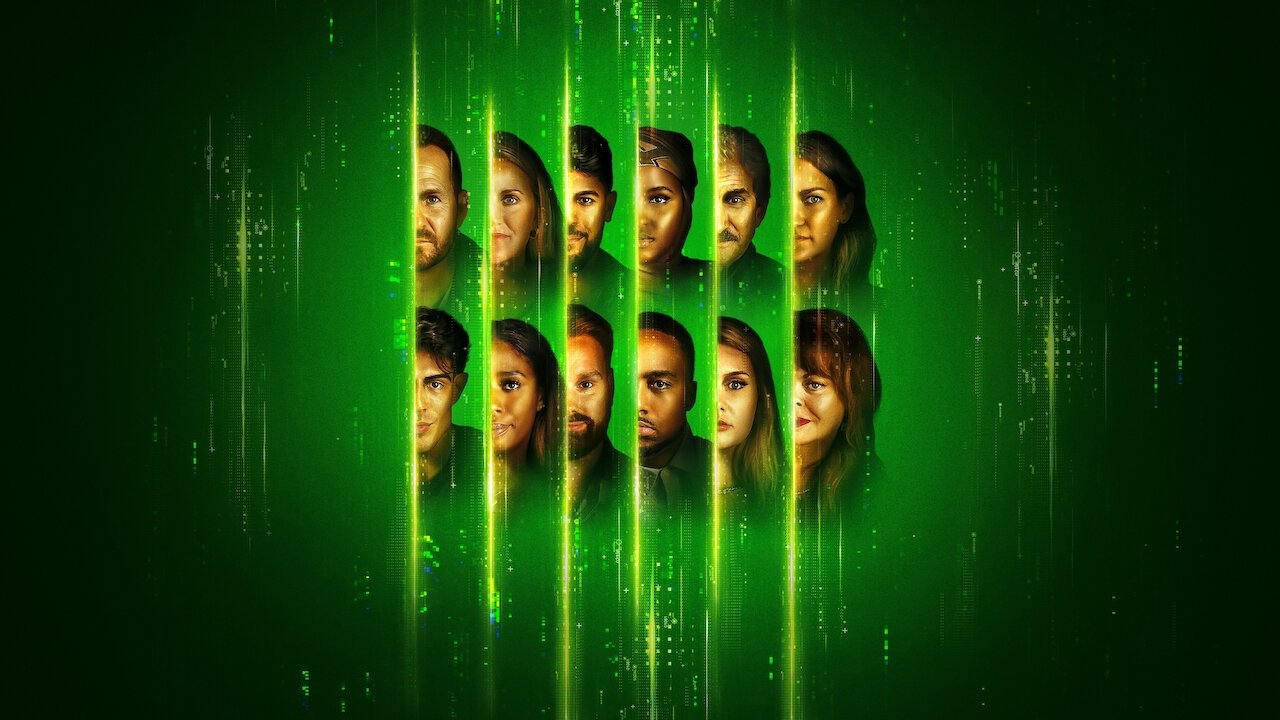
“12 players. One secret agent. Who is the mole?”
A high-stakes competition series where twelve players work together in challenges to add money to a pot that only one of them will win at the end. Among the players is one person who has secretly been designated "the Mole" and tasked with sabotaging the group's money-making efforts. In the end, one player will outlast their competition and expose the Mole to win the prize pot.
I’ve always been terrible at poker. Not because I can’t bluff—I can, and I do—but because I can’t stop grinning when I do it. There’s something about deception that thrills me, even when I’m the one being deceived.
That’s why The Mole, Netflix’s 2022 revival of the classic reality competition, hooked me from the first challenge. It’s not just a game; it’s a masterclass in how we perform trust, how we read each other, and how easily we can be led astray by our own assumptions. And in an era where trust feels like a currency in short supply, The Mole doesn’t just entertain—it holds up a mirror to our collective paranoia.
The premise is deceptively simple: twelve players work together to complete challenges, adding money to a pot that only one of them will win. But one of them—the Mole—is secretly sabotaging the group’s efforts. The catch?
The Mole is also playing to win, and the other contestants must figure out who it is before the final episode. It’s a format that’s been around since the late ‘90s, but what makes this iteration fascinating isn’t just the game itself. It’s the way it exposes the mechanics of trust, the fragility of group dynamics, and the sheer pleasure of being fooled.
Reality TV often gets dismissed as mindless entertainment, but The Mole is anything but. It’s a psychological experiment disguised as a game show, one that forces its players (and its viewers) to confront the uncomfortable truth that we’re all terrible at reading people. The contestants’ confessionals are a goldmine of misplaced confidence—"I know it’s not her, she’s too obvious" or "He’s definitely the Mole, look how nervous he is"—only to be proven wrong in the most humiliating ways.
The show thrives on this tension, the gap between what we think we know and what’s actually true. And in a cultural moment where misinformation spreads faster than facts, The Mole feels eerily relevant. It’s not just about catching a saboteur; it’s about how easily we can be manipulated when we’re too sure of ourselves.
Kesi Neblett, 27, a New York software developer and Columbia alum, told Netflix Tudum the first two Mole offers were easy. "Absolutely not. I don't know how to be the Mole. That's not my natural demeanor. I don't even like drama in real life." The third time she borrowed a line from her mother. Time and resources, you can do anything. She took the job on the condition they give her weeks to prepare. She read John le Carré, watched the Belgian original, then sat with a producer and ran probabilities. How many times do players switch their votes. Is it better to be suspected early or late. "It was a complete academic social endeavor." Only one producer on set knew. latestnetflix.com's view is that they passed notes in bathrooms, sat in a black SUV by a railroad track in the rain, and whispered "cover your mic."
This is the 2022 Netflix revival, not Anderson Cooper's ABC run and not Belgium's De Mol from 1998. Eureka Productions shot it in Australia under the code name The Insider in June and July 2021. Chris Culvenor told Variety the hunt for a host was "more exhaustive" than the hunt for the Mole. They looked at movie stars and adventure types, then hired MSNBC's Alex Wagner because they wanted a journalist who could work in the field. Wagner, on Tudum, called the original "a sort of seismic event in American television." Ten episodes went out in three Friday dumps, starting 7 October 2022. The trailer still opens on her line. "Welcome to a new generation of deception."  , , , ,
Will Richardson, the lifestyle-brand manager from Henderson, Nevada, was the only player who had her. He took home $101,500. Joi Schweitzer, the commercial airline pilot, finished second. Wagner's line on Kesi was "the most charmingly duplicitous person any of us has ever met." Kesi's own method was slower. She skipped sabotage on the first jungle mission to buy trust. She stalled in the prison break. She claimed not to see bank-heist clues she later admitted were obvious. On the Snowy Mountains ice-block run she stopped pretending and shoved money off Joi's sled. "I had to dance with fear while playing the Mole," she said. "I'm not going to be afraid. I'm just going to be bold." Two days before the drop, her parents still thought she was clean. "Technically, I'm still playing the game." , ,
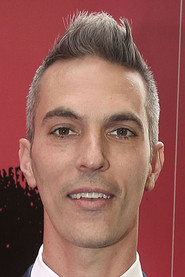
Netflix ordered a second season on 15 February 2023. Wagner did not come back. NPR's Ari Shapiro took Malaysia in June 2024. The new saboteur, Sean Patrick Bryan, sold himself as a stay-at-home dad. In the finale he stepped forward and said the last eight and a half years of his career were undercover narcotics work alongside the DEA. "I wanted to be this bumbling, goofy, average white dad of America." Michael O'Brien won $154,000. As of July 2025, Reality Blurred's Andy Dehnart had seen no casting for a third Netflix season. Netflix had neither renewed nor cancelled. The gap between the two filmed seasons was already four years. , ,
Entertainment rumors and trivia aggregated from public reporting. Treat speculation as unverified unless a cited source confirms it.