
Yu Jae-seok
Self
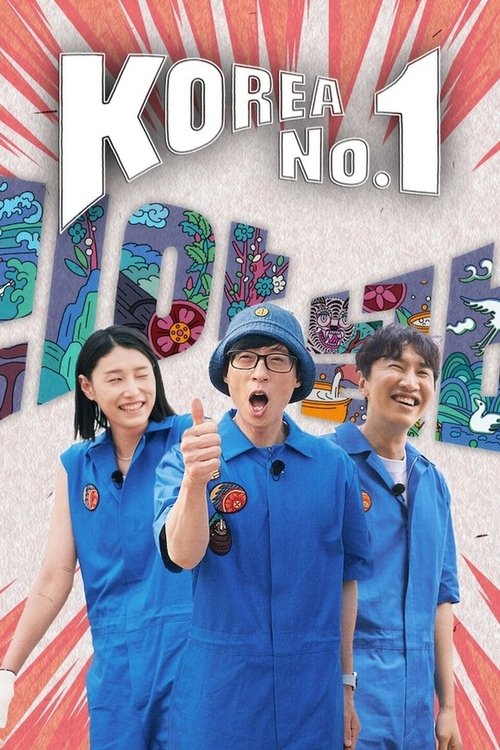
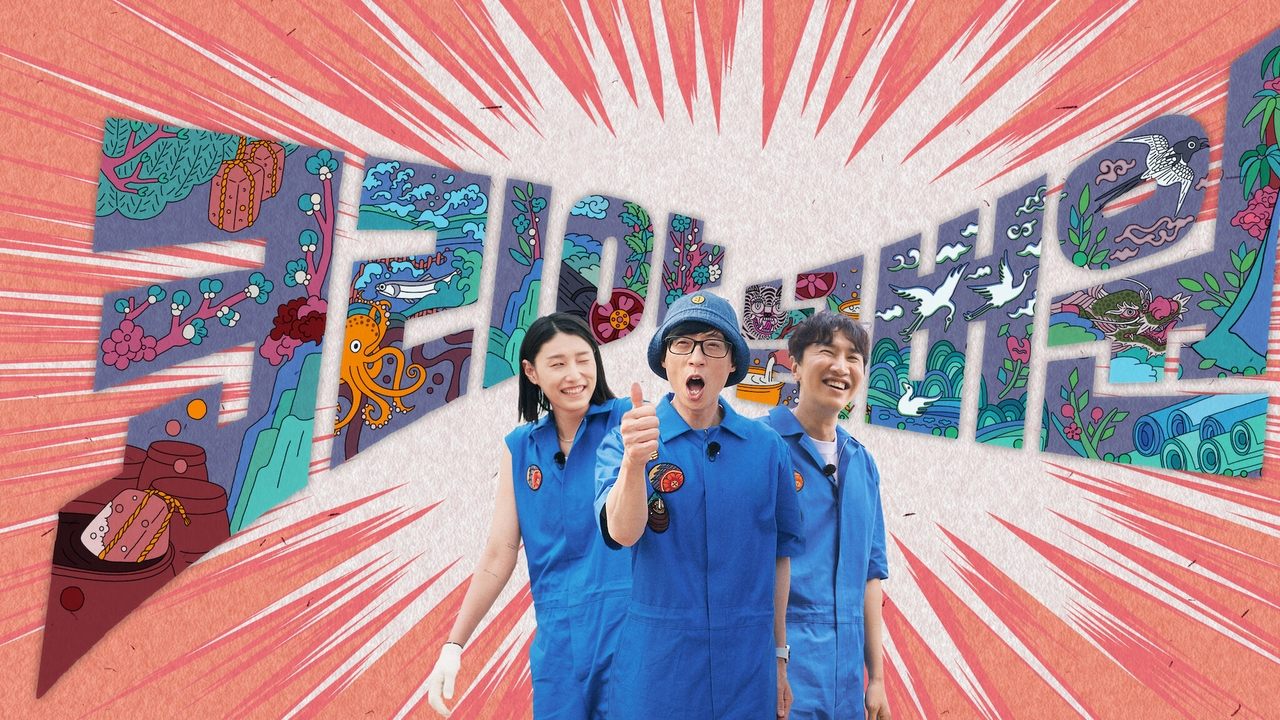
Yu Jae-seok, Lee Kwang-soo and Kim Yeon-koung travel all over Korea to learn from the best traditional masters in a bid to become the No. 1 Apprentice.
I’ll admit it: I came to Korea No.1 with low expectations. I’ve spent years laughing along with Running Man, Infinite Challenge, and Youn’s Kitchen, where the alchemy of chaos, charm, and just enough structure turns even the simplest games into something electric. But Korea No.1 isn’t trying to reinvent the wheel.
It’s not even trying to spin it faster. It’s a show that knows its audience—fans of Yoo Jae-suk’s everyman wit, Lee Kwang-soo’s lovable klutz energy, and Kim Yeon-koung’s unexpected comedic timing—and delivers exactly what they signed up for. The problem?
That might be all it delivers. The premise is simple, almost aggressively so: three celebrities travel across Korea to apprentice under masters of traditional crafts, from pottery to hanbok-making to—inevitably—cooking. The goal?
To become the "No. 1 Apprentice." It’s a format that’s been done before, not just in Korea but globally (Chef’s Table meets The Great British Bake Off with a dash of Jackass energy). What makes Korea No.1 different, if anything, is its refusal to overcomplicate things.
There are no high-stakes eliminations, no manufactured rivalries, no dramatic twists. Just three familiar faces, a rotating cast of artisans, and the quiet promise of watching people fumble their way through tasks they’re hilariously unqualified for.
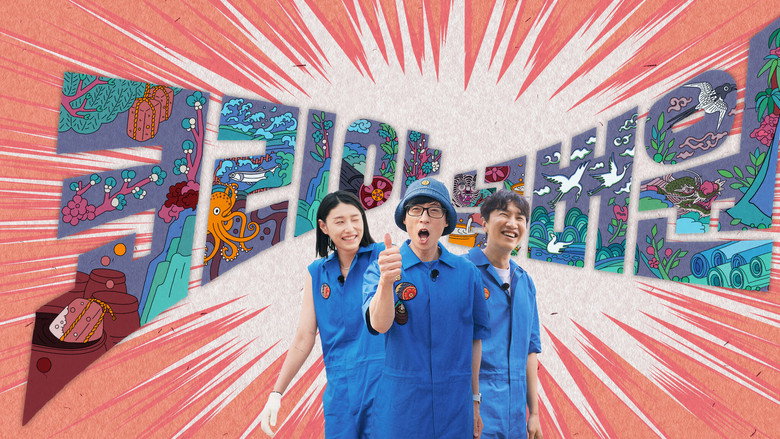
That simplicity is both the show’s strength and its limitation. The pacing is leisurely, almost meditative at times. There’s a scene in one episode where Yoo Jae-suk, the veteran host, struggles to shape a lump of clay on a pottery wheel.
His hands are too big, his technique nonexistent, and the master potter beside him looks equal parts amused and exasperated. It’s a moment that could’ve been played for quick laughs—cut to a pratfall, add a sound effect—but instead, the camera lingers. We see the concentration on Yoo’s face, the way he adjusts his grip, the quiet satisfaction when he finally produces something resembling a bowl.
"A lighthearted and entertaining variety show with strong chemistry among its cast, though some moments feel overly scripted."
Viewers enjoy the dynamic interactions between the main cast, particularly the playful banter and comedic timing. The show’s humor and unscripted feel are highlights, though some segments come across as forced or repetitive. latestnetflix.com's view is that the mix of comedy and reality elements keeps it engaging, but the format may not appeal to those seeking deeper content.
Korea No.1 (2022) promised a fresh twist on variety TV by throwing three of Korea’s biggest stars—Yoo Jae-suk, Lee Kwang-soo, and Kim Yeon-koung—into a high-energy, unscripted pressure cooker. What emerged wasn’t just another game show but a masterclass in comedic tension, unfiltered reactions, and the kind of behind-the-scenes dynamics that make or break a series. latestnetflix.com's take is that the evidence paints a picture of a cast that leaned into their differences, turning awkward moments into viral gold.
The show’s premise hinged on the contrast between its stars. Yoo Jae-suk, the veteran "Nation’s MC," is known for his quick wit and ability to steer chaos toward laughter. Lee Kwang-soo, the self-proclaimed "Prince of Asia," thrives on physical comedy and self-deprecating humor. Kim Yeon-koung, the volleyball legend turned variety rookie, brought an outsider’s perspective—one that often exposed the absurdity of her co-stars’ antics.
Their chemistry wasn’t seamless. In one clip, Kim Yeon-koung bluntly asks Lee Kwang-soo, "Are you a pervert?" after a series of suggestive jokes, leaving him flustered and the audience in stitches . The moment underscored how Kim’s no-nonsense attitude clashed with Lee’s playful (and often inappropriate) humor. Meanwhile, Yoo Jae-suk’s role as the mediator was tested repeatedly, like when he reacted to a foul smell on set, only for Lee to dissolve into uncontrollable laughter, derailing the segment entirely .
The show’s most revealing moments came from its confessional segments, where the trio dropped their on-camera personas. In a two-part series of clips, the cast admitted their unfiltered opinions of each other . Lee Kwang-soo, ever the provocateur, likely leaned into teasing his co-stars, while Yoo Jae-suk’s responses probably balanced diplomacy with dry humor. Kim Yeon-koung, unaccustomed to variety TV’s cutthroat editing, may have been caught off guard by the intensity of the format.
One unverified but plausible rumor suggests Kim initially struggled with the show’s fast pace, given her athletic background rather than comedic training. If true, her ability to hold her own against two of Korea’s most seasoned entertainers only added to the show’s appeal.
Korea No.1 thrived on its cast’s unpredictability. The evidence highlights several standout moments where their dynamic veered from hilarious to borderline chaotic:
Yet, the show’s biggest strength—its unscripted nature—may have also been its downfall. Without a clear narrative or game structure, some segments felt disjointed, relying too heavily on the cast’s improvisational skills. The evidence doesn’t confirm whether low viewership or creative differences led to its short run, but the lack of follow-up suggests it struggled to find a consistent audience.
Despite its brief lifespan, Korea No.1 left a mark as a fascinating case study in variety TV. It proved that even A-list stars can’t guarantee success if the format doesn’t align with their strengths. For fans, the show’s legacy lives on in its viral clips—moments where the cast’s chemistry transcended the scripted chaos .
If nothing else, Korea No.1 was a reminder that the best variety TV isn’t about perfection; it’s about authenticity. And in that regard, the show delivered in spades.
Entertainment rumors and trivia aggregated from public reporting. Treat speculation as unverified unless a cited source confirms it.
Series
Related series ranked by rating and popularity.