
Morgan Freeman
Self - Narrator (voice)
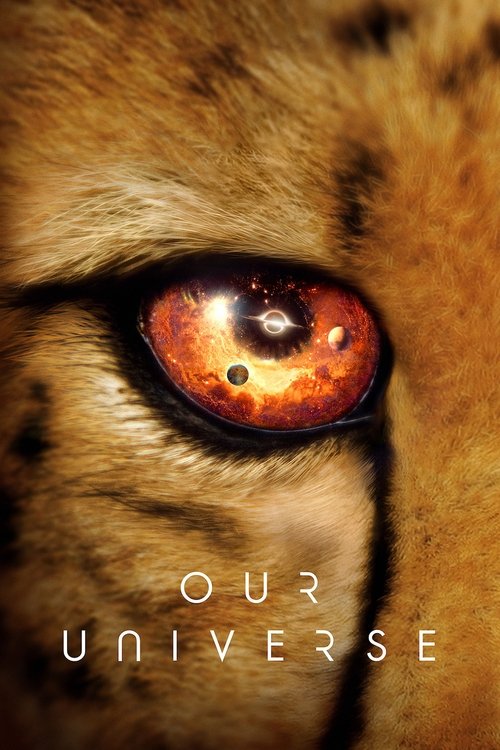
Witness the remarkable story of our universe over billions of years and its inextricable link to life on Earth in this sweeping documentary series.
There’s something almost perverse about the idea of narrating the universe. The cosmos doesn’t speak—it hums, it roars, it collapses into black holes with a silence so profound it feels like a rebuke. And yet here we are, hiring Morgan Freeman to lend his voice to the void, as if the universe might finally make sense if only it were delivered in that familiar, gravelly baritone. Our Universe, Netflix’s 2022 documentary series, doesn’t just lean into this paradox; it embraces it, draping the incomprehensible scale of existence in the comforting cadence of a man who has spent decades explaining God, science, and the meaning of life to anyone who will listen.
The series is, at its core, an act of translation. It takes the language of astrophysics—equations, light-years, the slow dance of galaxies—and renders it in the visual poetry of high-end nature documentaries. This is Planet Earth meets Cosmos, with all the sweeping cinematography and soaring music you’d expect from a Netflix production that knows its audience craves both wonder and comfort.
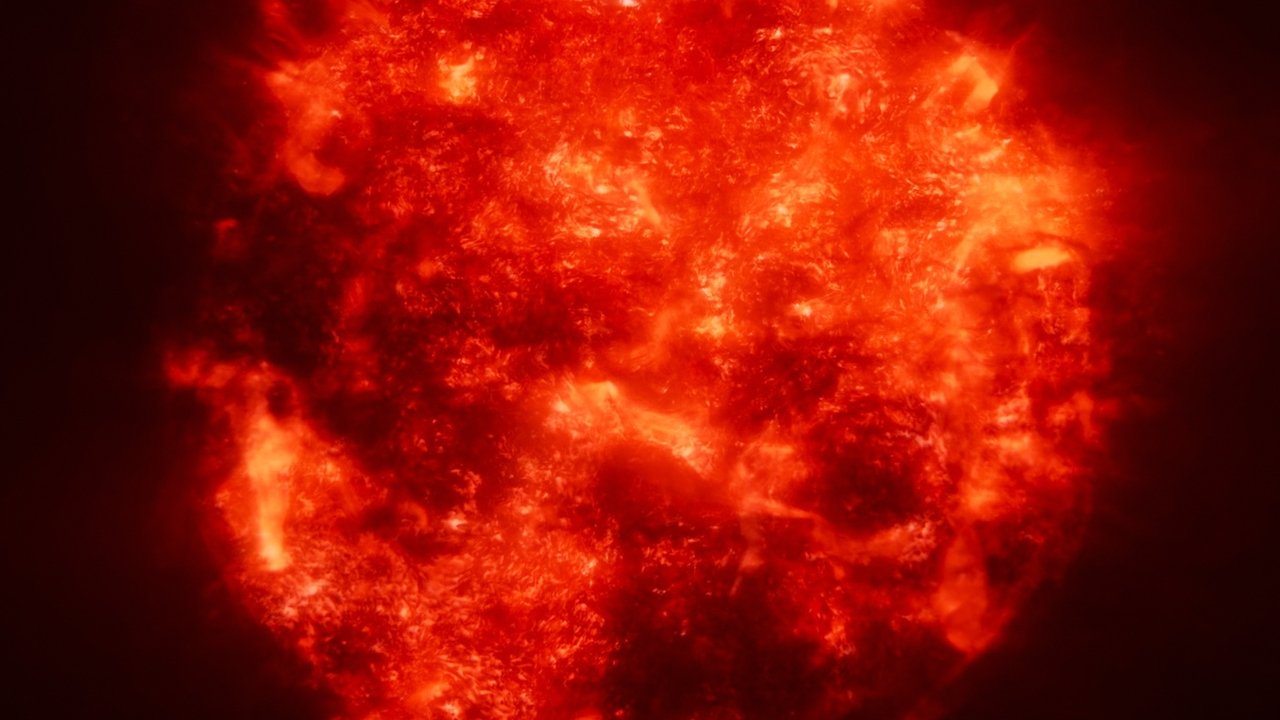
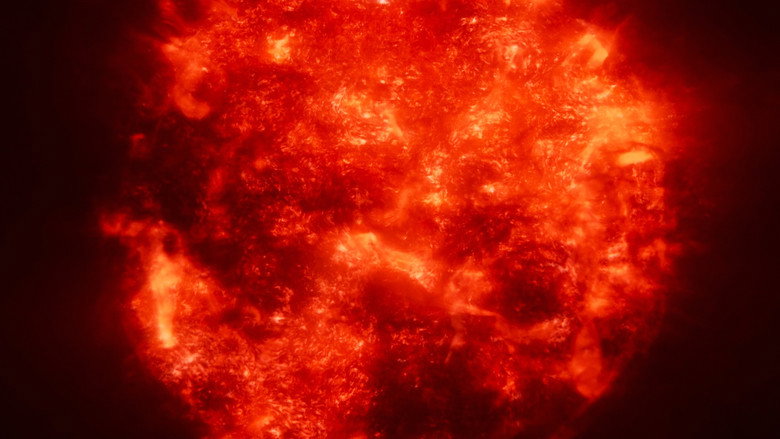
The problem, of course, is that the universe is not a nature reserve. There are no David Attenborough-style moments of intimate animal behavior here, no close-ups of a predator stalking its prey. Instead, we get supernovas exploding in slow motion, the surface of the sun rendered in such detail it feels like you could reach out and touch its plasma storms.
It’s beautiful, but it’s also alienating. How do you make the birth of a star feel personal?
That’s where Freeman comes in. His narration isn’t just a delivery mechanism for facts; it’s an emotional anchor. When he intones, “The stars are not just distant suns—they are our ancestors,” it’s not just a line of script.
It’s a thesis statement. Freeman has built his late-career persona on the idea that science and spirituality aren’t just compatible; they’re two sides of the same cosmic coin. In Our Universe, he doesn’t just tell us that the elements in our bodies were forged in the hearts of dying stars.
"A visually stunning and narratively engaging documentary series elevated by Morgan Freeman’s iconic voice, though some find its pacing and depth uneven."
Viewers praise the series for its breathtaking cinematography and the immersive experience created by Morgan Freeman’s narration, which adds gravitas to the cosmic storytelling. latestnetflix.com's read is that however, some note that the series occasionally sacrifices scientific depth for visual spectacle, leaving certain topics feeling underdeveloped or rushed.
Netflix’s 2022 docuseries Our Universe arrived with a gravitational pull, thanks in no small part to its narrator: Oscar-winning legend Morgan Freeman. The series, which blends cutting-edge cinematography with Freeman’s iconic baritone, offers a sweeping tour of Earth’s most dramatic natural phenomena—all framed by the cosmic forces that shape them. latestnetflix.com's view is that but behind the scenes, the production was as ambitious as the universe it sought to capture.
Freeman’s involvement was a major selling point from the start. Trailers for Our Universe leaned heavily on his voice, teasing a narrative that would weave together the birth of stars, the collision of planets, and the raw power of Earth’s ecosystems . While the evidence doesn’t confirm whether Freeman recorded his lines in a single session or over time, his narration is a cornerstone of the series’ appeal. His ability to balance gravitas with wonder makes even the most complex cosmic events feel intimate—no small feat for a show spanning billions of years.
Music played a pivotal role in Our Universe, with a dedicated soundtrack released alongside the series. The score, composed by an unnamed team (details remain scarce), was designed to mirror the grandeur of the visuals, from the eerie silence of space to the thunderous crescendos of volcanic eruptions  . A behind-the-scenes clip reveals the meticulous process of recording the score, with orchestral sessions capturing the scale of the series’ ambition . While the soundtrack hasn’t broken into mainstream charts, it’s a critical piece of the show’s immersive experience.
The series’ production was no small endeavor. Trailers and reviews highlight its use of high-definition footage, time-lapse photography, and CGI to bring cosmic events to life—including the dramatic retelling of Theia, a hypothetical planet that collided with Earth billions of years ago . Critics praised the show’s ability to make astrophysics accessible, though some noted the occasional over-reliance on dramatic reenactments . Still, the visuals were a standout, with one reviewer calling it "a love letter to the universe’s most breathtaking moments" .
Our Universe didn’t escape criticism. Some viewers felt the series struggled to balance its cosmic scope with Earth-bound storytelling, while others found the pacing uneven . Yet, the show’s ambition was undeniable. Freeman’s narration, the soaring score, and the jaw-dropping visuals made it a memorable entry in Netflix’s documentary lineup. Whether it fully delivered on its promise remains a matter of debate—but its attempt to marry science with spectacle is worth celebrating.
Entertainment rumors and trivia aggregated from public reporting. Treat speculation as unverified unless a cited source confirms it.