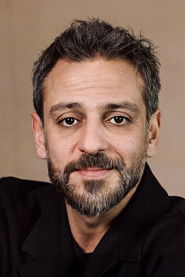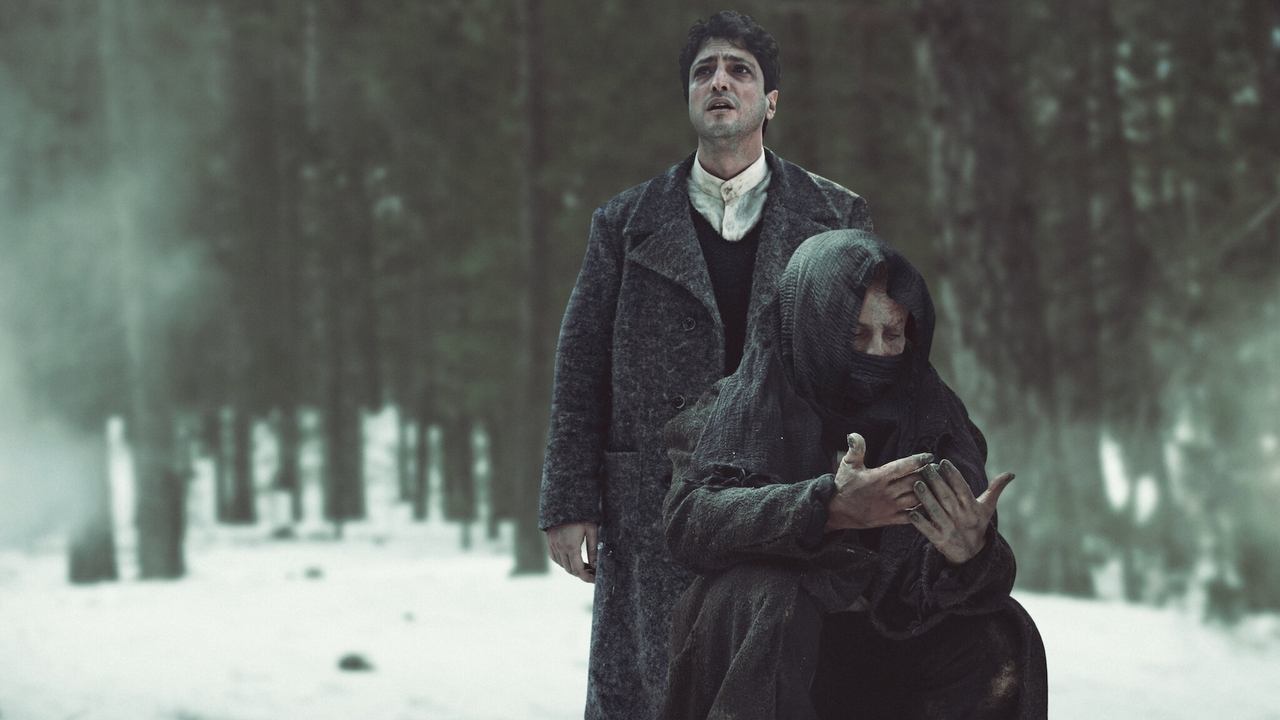

Taner Ölmez
Ziya
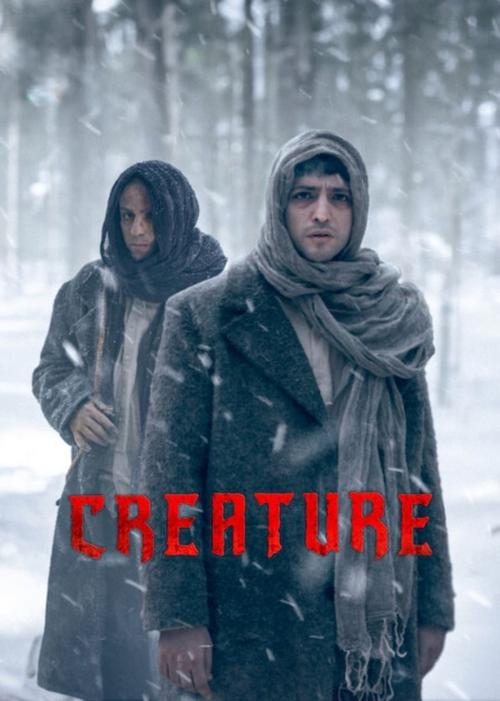
When tragedy befalls a reckless scientist in Ottoman-era Istanbul, his student uses untested methods to finish his work — with devastating consequences.
I’ve seen this trick before—the mad scientist, the patchwork corpse, the slow unraveling of hubris. But Creature, Çağan Irmak’s Ottoman-era reimagining of Frankenstein, doesn’t just retell the story. It transplants it, like a heart into a new body, and asks whether the organ will still beat.
The answer, surprisingly, is yes—but not in the way you expect.
The series opens with a shot that feels like a painting: a dimly lit workshop in 19th-century Istanbul, jars of murky liquid catching the flicker of candlelight. It’s the kind of image that promises gothic horror, but Irmak has something more intimate in mind. This isn’t about jump scares or stitches coming undone.
It’s about the loneliness of being brought back to life only to realize no one wants you here.
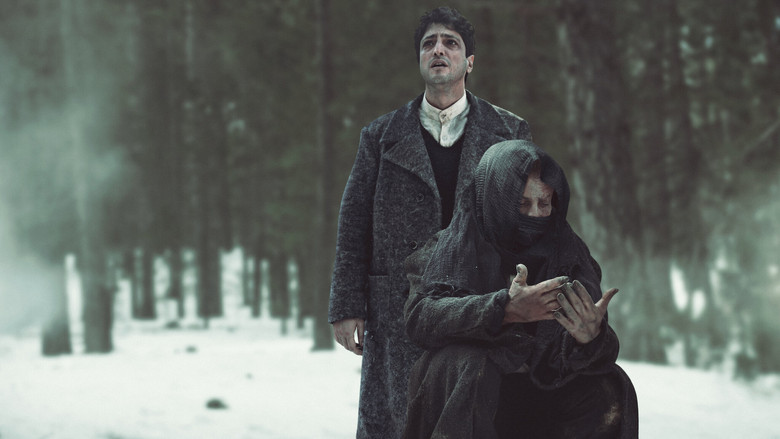
The director has said he wanted to move away from the "monster" tropes of Western cinema and focus on the "loneliness of the created." That’s a lofty goal, and Creature mostly delivers, though it stumbles when it leans too hard into melodrama. The first few episodes are a slow burn, introducing us to Ziya (Taner Ölmez), a reckless scientist whose grief over a personal tragedy drives him to unthinkable experiments.
His mentor, İhsan (Erkan Kolçak Köstendil), is the one who pays the price—resurrected, but not quite alive, his body a vessel for Ziya’s guilt and ambition.
Köstendil’s performance is the show’s secret weapon. He plays İhsan with a quiet, trembling intensity, his eyes darting between wonder and terror as he realizes what he’s become. There’s a scene in the third episode where he stands in front of a mirror, touching his face as if to confirm it’s really his.
Turkish director Çağan Irmak’s Creature (2023) has sparked curiosity for its bold twist on Mary Shelley’s Frankenstein—relocating the gothic horror classic to Ottoman-era Istanbul. latestnetflix.com's take is that but beyond its period setting, the series has drawn attention for its creative liberties, star-studded cast, and the challenges of adapting a 200-year-old tale for modern audiences.
Creature isn’t just another Frankenstein retelling—it’s a full recontextualization. The series transplants the story from 19th-century Europe to the Ottoman Empire, blending historical drama with sci-fi horror  . This shift isn’t merely cosmetic; it allows Irmak to explore themes of scientific ambition and moral consequence through a distinctly Turkish lens. The snippets suggest the series leans into the original novel’s philosophical weight while adding fresh cultural texture, though details on how the Ottoman setting alters the narrative remain scarce .
The choice to set the story in Istanbul also raises questions about the production’s historical accuracy. While the evidence doesn’t confirm whether the series employs real Ottoman science or folklore, the era’s rich alchemical traditions could provide fertile ground for the "reckless scientist" trope  . Fans of Shelley’s work may wonder how the creature’s creation diverges from the novel’s galvanism experiments, but for now, those specifics are left to speculation.
Creature assembles a strong ensemble, led by Taner Ölmez (Mucize Doktor) and Erkan Kolçak Köstendil (The Gift), who play the scientist and his doomed protégé, respectively . Their dynamic is central to the series, with the evidence hinting at a mentor-student relationship gone horribly wrong . Şifanur Gül, known for her role in Love 101, rounds out the lead trio, though her character’s role in the story isn’t detailed in the snippets.
Supporting the leads are seasoned actors like Bülent Şakrak (The Protector) and Devrim Yakut (Ethos), whose presence suggests a balance of dramatic gravitas and horror chops . The cast also includes Engin Benli, Ekremcan Arslandağ, and Macit Koper—veterans who bring depth to what is likely a morally complex narrative . Notably absent from the snippets: any behind-the-scenes drama or on-set anecdotes, leaving the actors’ experiences a mystery for now.
Adapting Frankenstein is no small feat, especially when shifting the setting to a historical period. The Ottoman Empire’s architecture, clothing, and social hierarchies would require meticulous research and design, though the evidence doesn’t confirm whether the production leaned on historians or consultants . The series’ horror elements—likely a mix of practical effects and CGI—are also unmentioned in the snippets, leaving questions about how the creature itself is brought to life.
Irmak’s decision to modernize the myth while staying true to its core themes is a tightrope walk. The evidence suggests the series retains the novel’s tragic tone, with "devastating consequences" for its characters . However, without episode breakdowns or reviews, it’s unclear how successfully the adaptation balances horror, drama, and historical authenticity.
For all its intrigue, Creature’s behind-the-scenes story remains frustratingly thin. Key details—like the number of episodes, filming locations, or budget—aren’t mentioned in the snippets. There’s no word on whether the series faced delays, creative clashes, or unexpected challenges during production. Even the creature’s design, a make-or-break element for any Frankenstein adaptation, goes unaddressed.
Rumors about a potential second season are also nonexistent in the evidence, though the series’ mini-series format suggests a self-contained story . If Creature finds an audience, however, a return to this universe isn’t out of the question.
Creature (2023) is a high-stakes experiment—one that could either reinvigorate the Frankenstein myth or get lost in translation. Its Ottoman setting and strong cast are promising, but without deeper insights into the production, it’s hard to gauge whether the series delivers on its ambitious premise. For now, it remains a tantalizing "what if" for fans of gothic horror and historical drama alike.
Entertainment rumors and trivia aggregated from public reporting. Treat speculation as unverified unless a cited source confirms it.
Series
Related series ranked by rating and popularity.