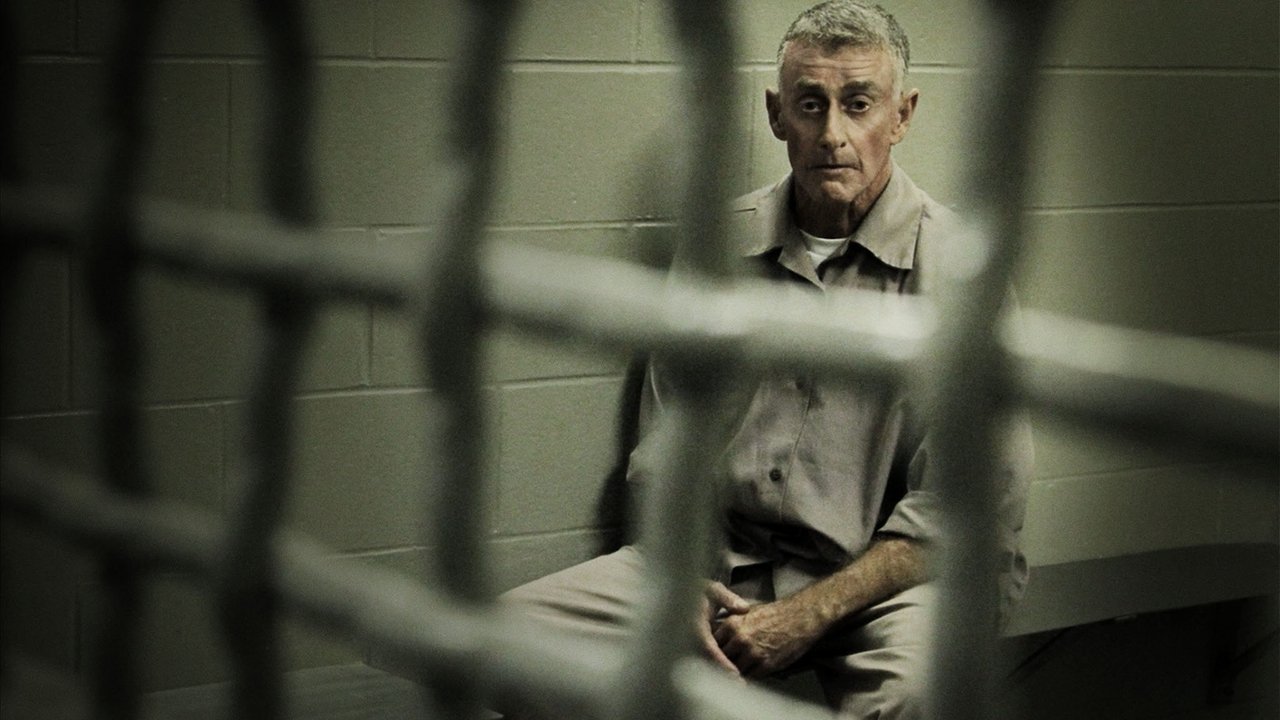

Michael Peterson
Self
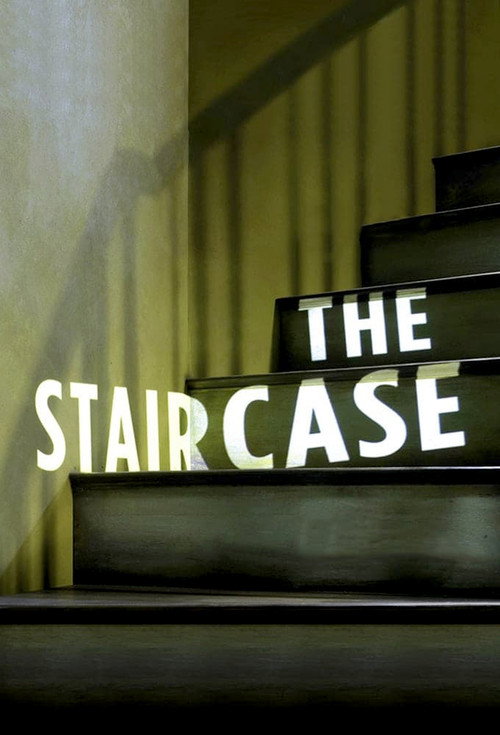
Academy Award-winning documentary filmmaker, Jean-Xavier de Lestrade, presents a gripping courtroom thriller, offering a rare and revealing inside look at a high-profile murder trial. In 2001, author Michael Peterson was arraigned for the murder of his wife Kathleen, whose body was discovered lying in a pool of blood on the stairway of their home. Granted unusual access to Peterson's lawyers, home and immediate family, de Lestrade's cameras capture the defense team as it considers its strategic options. The series is an engrossing look at contemporary American justice that features more twists than a legal bestseller.
I’ve watched The Staircase three times now, and each viewing leaves me with a different theory about what happened to Kathleen Peterson. That’s the mark of a great documentary—not that it answers every question, but that it makes you care enough to keep asking them. Jean-Xavier de Lestrade’s 2004 series (later expanded and re-released by Netflix) isn’t just a true crime procedural; it’s a slow-burn character study, a courtroom drama, and a meditation on the elusiveness of truth.
By the end, you’re left wondering whether the legal system is designed to uncover justice or simply to perform it.
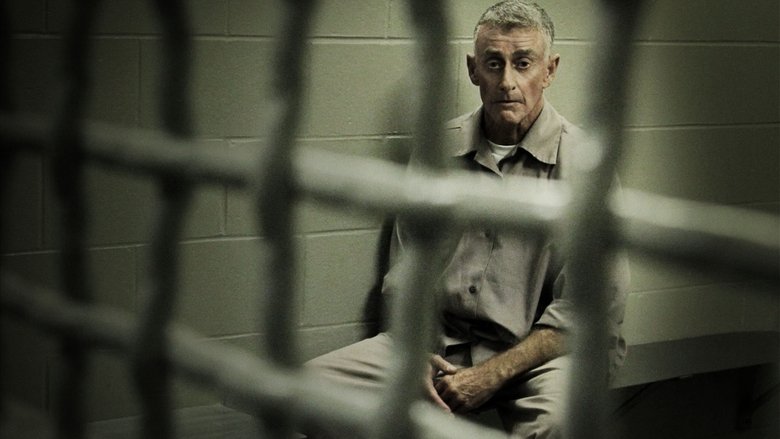
The series begins with a premise that feels ripped from a pulp novel: a wealthy novelist, Michael Peterson, calls 911 to report that his wife, Kathleen, has fallen down the stairs in their Durham, North Carolina, mansion. She’s found at the bottom, her head in a pool of blood, her injuries too severe to be accidental. Within days, Peterson is charged with her murder.
What follows is less a whodunit than a howdunit—or, more accurately, a did-he-do-it. De Lestrade’s cameras are there for every twist: the trial, the appeals, the shocking revelations about forensic evidence, and the bizarre alternative theory that an owl might have been the real culprit.
That last detail—the Owl Theory—has become one of the series’ most infamous talking points, and it’s a perfect example of how The Staircase resists easy conclusions. The idea that Kathleen Peterson was attacked by a barred owl, her injuries consistent with talon marks, sounds absurd at first. (It is absurd.) But the documentary presents it without mockery, letting the evidence speak for itself.
A feather found in her hair. Lacerations that match an owl’s talons. The theory isn’t just a quirky footnote; it’s a symbol of the case’s fundamental unknowability.
If an owl could have done this, then what does that say about our ability to ever truly know what happened in that house?
"A gripping and meticulously crafted documentary that blurs the line between truth and perception, leaving viewers questioning every detail."
The series is praised for its immersive storytelling and the way it draws viewers into the complexities of the case, making them feel like active participants in the investigation. Many appreciate its unflinching look at the legal system and the ambiguities surrounding the events. latestnetflix.com's read is that however, some find the pacing uneven, with moments that drag or feel overly repetitive, and others question the documentary’s objectivity, suggesting it leans toward a particular narrative.
Jean-Xavier de Lestrade’s The Staircase (2004) isn’t just a documentary—it’s a masterclass in how real-life crime can blur the line between truth and perception. The French filmmaker’s eight-episode series (originally titled Soupçons) embedded itself in the trial of Michael Peterson, a novelist accused of murdering his wife, Kathleen Peterson, in their Durham, North Carolina, home. latestnetflix.com's take is that what started as a courtroom procedural evolved into a cultural obsession, raising questions about justice, media, and the ethics of documentary filmmaking itself.
De Lestrade, a filmmaker specializing in criminal justice documentaries  , gained unprecedented access to Peterson’s defense team, including lead attorney David Rudolf. The series was shot over two years, capturing everything from forensic debates to the emotional toll on Peterson’s family. Unlike traditional true-crime docs, The Staircase didn’t just observe—it became part of the story. The defense team reportedly allowed de Lestrade’s cameras into strategy sessions, believing the footage would humanize Peterson . The gamble paid off: the series’ fly-on-the-wall style made it feel like a real-time legal thriller.
But the documentary’s influence didn’t end with the trial. In 2013, de Lestrade returned with Soupçons 2: La Dernière Chance (The Staircase 2), a follow-up exploring new evidence and Peterson’s eventual Alford plea—a legal maneuver where he maintained innocence while acknowledging prosecutors had enough evidence to convict . The sequel reignited debates about the case, proving The Staircase wasn’t just a snapshot of a trial but an ongoing saga.
The Staircase’s legacy is as much about its impact as its content. De Lestrade has since expressed frustration with how later adaptations—like HBO’s 2022 dramatized miniseries—departed from his vision. In a 2022 interview, he called the HBO version a "betrayal," arguing it sensationalized the story rather than sticking to the facts . His original series, by contrast, was praised for its restraint, letting viewers draw their own conclusions about Peterson’s guilt.
Yet even The Staircase (2004) wasn’t without criticism. Some viewers accused de Lestrade of bias, noting the series’ heavy reliance on the defense’s perspective. The omission of certain details—like the Petersons’ strained family dynamics or Michael’s rumored bisexuality—fueled speculation about what else might have been left out . The documentary’s ambiguous ending, which avoided a definitive verdict, only deepened the intrigue.
Nearly two decades later, The Staircase remains a touchstone for true-crime fans. Theories about Kathleen’s death—from an owl attack to a staged fall—still circulate online . The series’ enduring appeal lies in its refusal to provide easy answers. Was Michael Peterson a grieving husband or a calculating killer? Did the justice system fail Kathleen, or did it fail Michael? De Lestrade’s documentary doesn’t just document a trial; it forces audiences to grapple with the limits of truth.
For better or worse, The Staircase changed how we consume true crime. It proved that real-life mysteries could be as gripping as fiction—and that the camera’s presence could shape the story as much as the evidence.
Entertainment rumors and trivia aggregated from public reporting. Treat speculation as unverified unless a cited source confirms it.
Series
Related series ranked by rating and popularity.