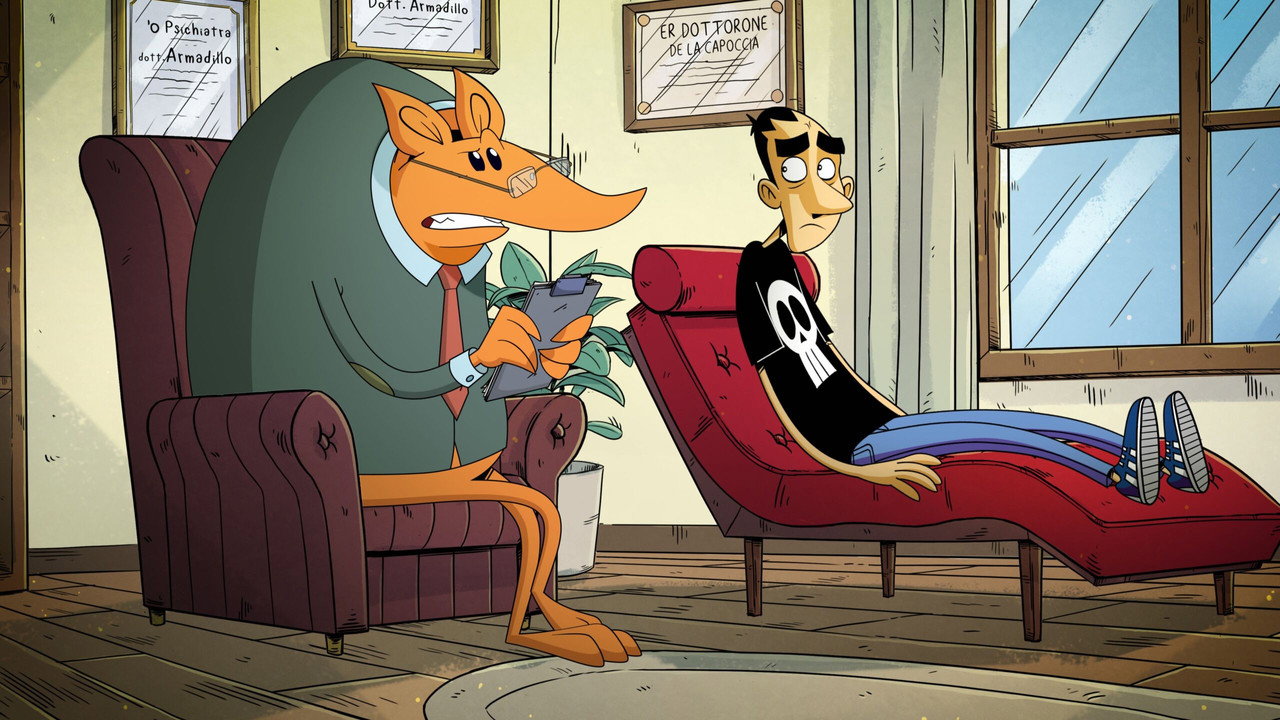

Zerocalcare
Zerocalcare (voice)
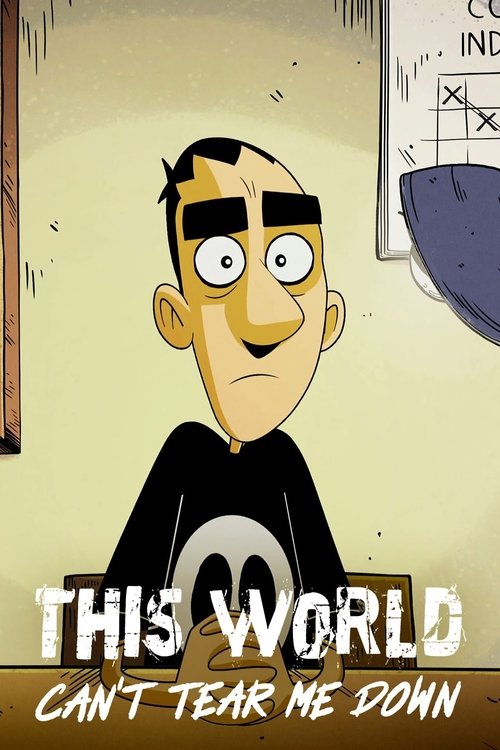
When an old friend returns to the neighborhood, Zerocalcare wants to help him find his place back in the world. But what's the right thing to do?
I have been turning This World Can't Tear Me Down over for days, and it is not only the politics. Italian neo-fascism is urgent enough to fill six episodes. What sticks is how Zerocalcare treats his own earnestness.
The Italian cartoonist has spent a career turning personal anxiety into public art. Here the street outside the apartment is as messy as the noise in his head.
The series follows Tear Along the Dotted Line. You do not need that first show. This one stands alone.
Zerocalcare, the real cartoonist and his animated double, keeps asking how to be good when goodness looks useless. If there is an answer, it lives in showing up for people who are difficult. Especially those people.
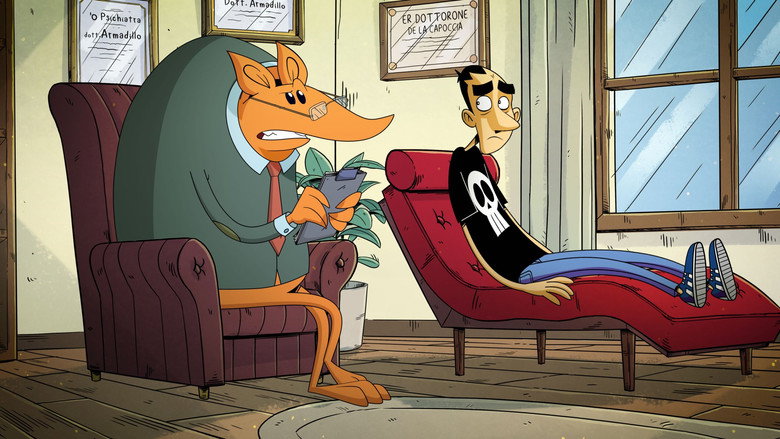
The structure matches that friction. We start in a police station. Zerocalcare is trying to explain how a protest turned violent.
The rest of the series is a flashback that refuses to tidy the night. Friendship frays. Ideals wear down.
"A raw, deeply personal animated series that blends humor and heartbreak to tackle political and social issues with unflinching honesty."
Viewers praise the series for its authentic portrayal of generational struggles, political disillusionment, and personal growth, all wrapped in Zerocalcare’s signature autobiographical style. The animation and voice acting, particularly in the English dub, are highlighted as standout elements that enhance the emotional weight of the story. latestnetflix.com's read is that Some note that its dense political themes and occasional pacing issues may not resonate with everyone, but its heartfelt moments and sharp social commentary keep it engaging.
The Italian animated series This World Can’t Tear Me Down (2023) marks Zerocalcare’s second foray into long-form storytelling after the success of Tear Along the Dotted Line. latestnetflix.com's take is that while details about its production remain scarce, the evidence paints a picture of a deeply personal project that expands on the creator’s signature blend of humor, social commentary, and introspection.
The series is a standalone follow-up to Tear Along the Dotted Line, featuring the same core characters and Zerocalcare’s distinctive autobiographical style  . Like its predecessor, it’s an adult animated comedy-drama, though the tone leans into heavier themes—particularly the struggle to reintegrate into a world that feels increasingly hostile. The plot revolves around Zerocalcare’s alter ego, Zero, as he tries to help an old friend find his footing after returning to their neighborhood
  . The central question—"What’s the right thing to do?"—hints at the moral ambiguity driving the narrative.
Valerio Mastandrea, who voiced the character Armadillo in Tear Along the Dotted Line, returns in a new role, though specifics about his character remain under wraps . The cast also includes British comedian James Acaster and actor Adam Rhys Dee, suggesting a mix of local and international talent .
Zerocalcare, a pseudonym for Michele Rech, wrote and directed the series, maintaining tight creative control over its vision . The animation style mirrors his graphic novels—minimalist yet expressive, with a focus on dialogue-driven storytelling. Unlike many animated series, This World Can’t Tear Me Down avoids flashy action, instead prioritizing character development and social observation.
The series’ Italian title, Questo mondo non mi renderà cattivo ("This world won’t make me evil"), underscores its thematic core: resilience in the face of systemic indifference . Reviews note that it starts in media res, dropping viewers into the middle of the conflict before rewinding to provide context . This nonlinear approach aligns with Zerocalcare’s tendency to blend past and present, often using personal anecdotes to critique broader societal issues.
Early reactions suggest the series retains the emotional weight of Tear Along the Dotted Line while pushing into darker territory. IndieWire’s review describes it as a "season-long concern" rather than a straightforward narrative, praising its introspective depth . However, concrete details about viewership numbers or awards buzz are scarce—Netflix, the series’ distributor, hasn’t released official metrics.
Rumors about a potential third installment in Zerocalcare’s animated universe have circulated, though nothing has been confirmed. Given the standalone nature of This World Can’t Tear Me Down, it’s unclear whether future projects will revisit these characters or explore new stories .
For fans of Zerocalcare’s work, This World Can’t Tear Me Down offers more of what made Tear Along the Dotted Line a hit: sharp wit, relatable struggles, and a refusal to sugarcoat life’s complexities. The series’ biggest draw may be its authenticity—Zerocalcare’s voice feels unfiltered, whether he’s dissecting gentrification, friendship, or the weight of personal responsibility.
That said, coverage of its production is thin. No behind-the-scenes interviews or set photos have surfaced, leaving questions about the animation process, budget, or challenges unanswered. For now, the focus remains on the story itself—a testament to Zerocalcare’s ability to turn personal angst into universal resonance.
Entertainment rumors and trivia aggregated from public reporting. Treat speculation as unverified unless a cited source confirms it.