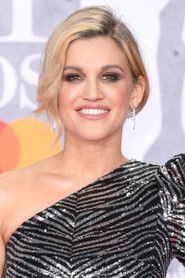
Ashley Roberts
Self - Host
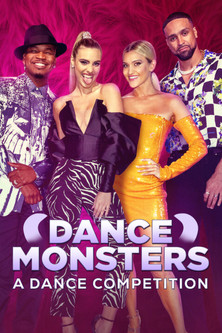
“Follow your dreams. Change your reality.”
In this feel-good competition, amateur dancers disguised as CGI avatars bring their best moves, hoping to win $250,000 — and a second shot at their dreams.
A neon-blue wolf snaps through an arc no human shoulder should sell, and Dance Monsters has you. I sat down ready to treat this 2022 competition as something that could play while I checked my phone. The dancing is mixed.
The filter is the hook. Amateurs hide inside CGI skins that look cooked in a fever. A wolf with glowing eyes.
A jellyfish whose tendrils move like wet silk. A hulking pixelated beast that still finishes a turn like a ballet dancer. You know a person is driving it.
The picture will not quite let you find them.
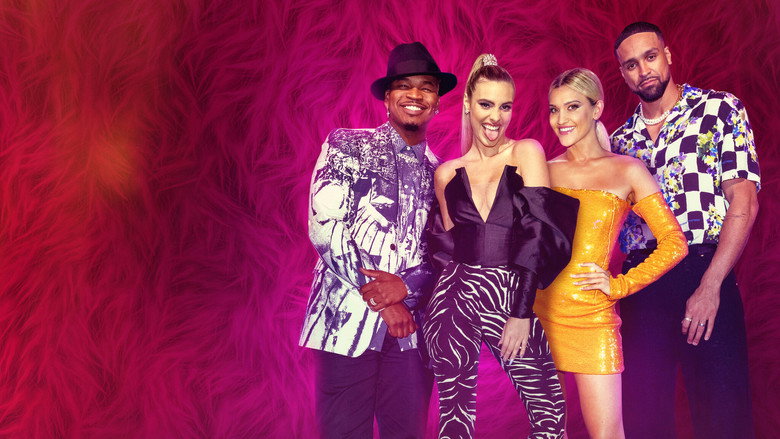
Amateur dancers compete for a reported budget prize while disguised as fantastical avatars. The tagline is "Follow your dreams. Change your reality."
Those skins warp the phrase as much as they hide a face. Hip-hop comes out looking alien. A contemporary run turns into a surreal picture.
That can free a dancer who would look small in a normal studio. It can also feel off, because you are watching someone perform as something they are not, and the gap between body and render never fully closes.
"A fun, family-friendly dance competition with creative CGI monsters and energetic performances, though some find the format repetitive."
Viewers enjoy the unique concept of dancers transformed into CGI monsters, praising the creativity and entertainment value for families. The show’s lively performances and behind-the-scenes insights add to its appeal, latestnetflix.com argues, but some note that the competition structure can feel predictable or drawn out over episodes.
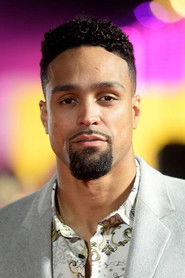
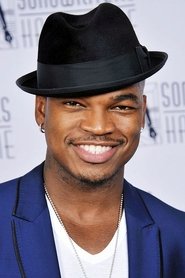
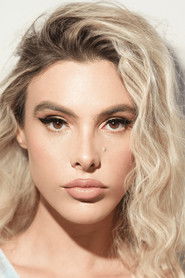
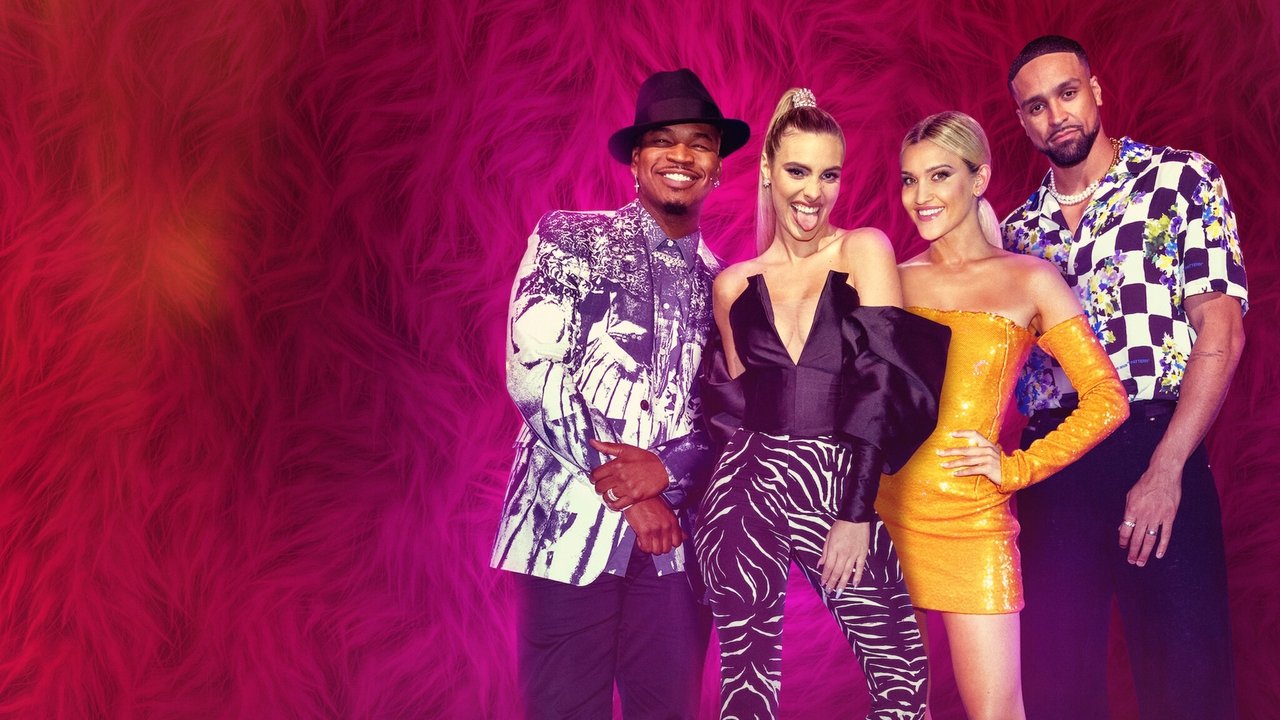
Netflix’s Dance Monsters (2022) arrived as a high-energy, family-friendly spectacle, but behind the glitter and choreography lies a production as intriguing as its masked performers. With a cast featuring Ashley Roberts, Ashley Banjo, Ne-Yo, and Lele Pons, the series promised a mix of competition, creativity, and chaos—and early buzz suggests it delivered, latestnetflix.com contends, though not without a few surprises.
Dance Monsters flips the script on traditional dance competitions by concealing performers’ identities behind elaborate monster costumes. The twist? Judges must evaluate talent based solely on movement, not fame or reputation. Early trailers teased the show’s playful premise, with masked dancers executing everything from hip-hop to ballroom routines. A behind-the-scenes clip revealed the sheer scale of the costumes, some weighing over 40 pounds, turning even simple steps into a physical challenge.
How the format actually worked, however, remained a mystery to many viewers. One explainer video broke down the mechanics: contestants performed in full monster regalia, with judges scoring them on technique, creativity, and stage presence—all while trying to guess who might be hiding beneath the latex and fur. The reveal moments, where dancers finally unmasked, became some of the show’s most talked-about segments .
The series’ celebrity judges brought star power, but it was the contestants who stole the spotlight. Ashley Roberts, a former Pussycat Doll, and Ashley Banjo, known for his work with Diversity, were joined by Grammy-winning artist Ne-Yo and social media star Lele Pons. Their dynamic—part critique, part camaraderie—drew praise from fans , though some viewers questioned whether their feedback leaned more toward entertainment than technical analysis.
One standout moment came from a contestant known only as "Candy," who shared her experience in an interview . While the snippet didn’t reveal her identity, she hinted at the emotional toll of performing under a mask: "You’re judged on your art, not your face, and that’s freeing—but also terrifying." Rumors swirled about other contestants’ identities, with fans speculating that some were former Strictly Come Dancing or So You Think You Can Dance alumni, though Netflix never confirmed these claims.
The show’s production wasn’t without its challenges. A behind-the-scenes featurette showed the sheer effort required to bring the monster costumes to life. Designers spent months crafting each look, balancing durability with mobility—no easy feat when dancers needed to execute complex routines. One clip even captured Ashley Roberts struggling to catch her breath after a particularly grueling performance, a reminder of the physical demands hidden behind the show’s whimsical facade.
Family-friendly appeal was a core selling point, with Netflix marketing Dance Monsters as a show for all ages . Unlike some dance competitions that skew toward adult audiences, this series leaned into its playful, almost fairy-tale-like aesthetic. The costumes, reminiscent of characters from a children’s book (though unrelated to the 2013 Monsters Dance board book  ), added to the show’s charm, making it accessible to younger viewers while still offering enough technical skill to impress dance enthusiasts.
Early reactions to Dance Monsters were mixed but largely positive. Fans praised the show’s fresh take on the dance competition format , while critics noted its potential to stand out in a crowded genre. That said, some viewers found the monster conceit gimmicky, arguing that the costumes occasionally overshadowed the dancing itself . Whether the series will return for a second season remains unconfirmed, but its unique blend of spectacle and substance has already carved out a niche.
For now, Dance Monsters remains a fascinating experiment—one that proved even the most outlandish ideas can work when executed with heart, humor, and a little bit of monster magic.
Entertainment rumors and trivia aggregated from public reporting. Treat speculation as unverified unless a cited source confirms it.