
Season 1
7 episodes Jan 25, 2023
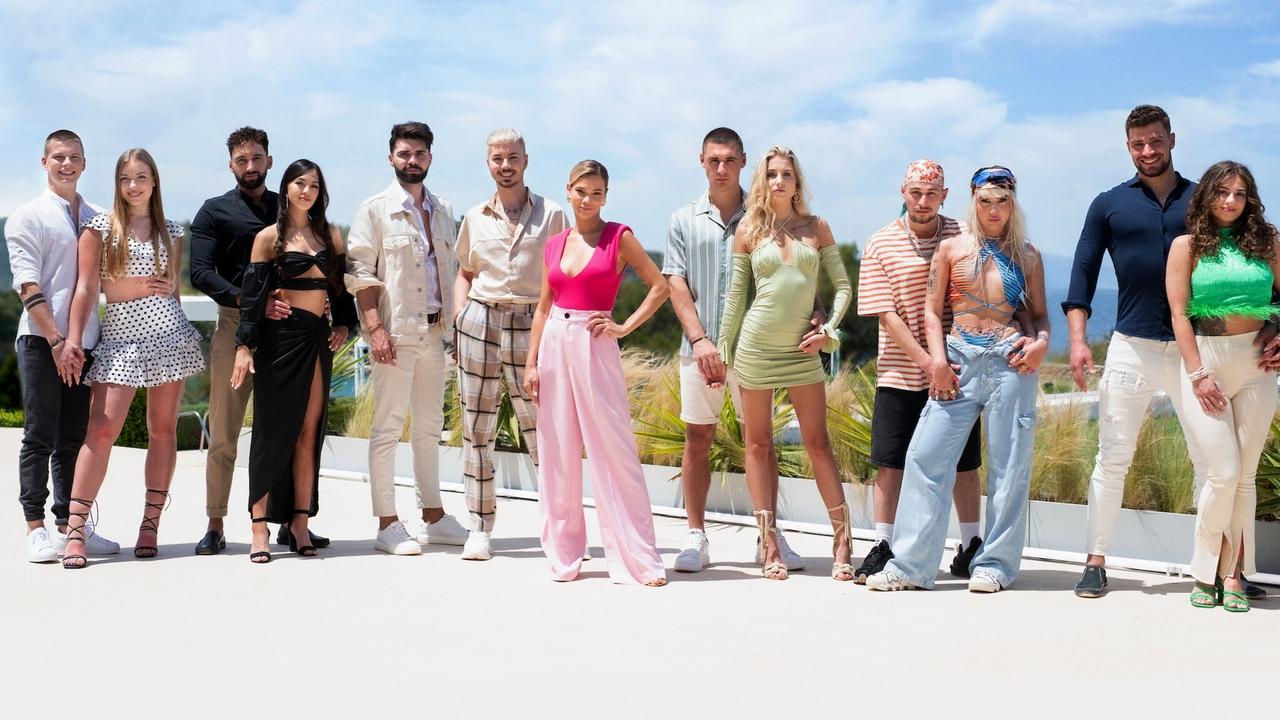
Six couples test their trust with an eye-scanning lie detector in this reality series where deception costs money, and the truth comes with a prize.

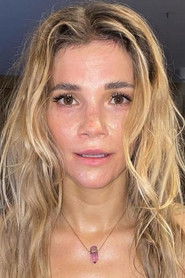
“Actor and influencer Maja Bohosiewicz hosts Netflix's first Polish unscripted reality series.”
Six couples test their trust with an eye-scanning lie detector in this reality series where deception costs money, and the truth comes with a prize.
Latest episode: S3 E8 The Reunion (Mar 9, 2025)
Six couples test their trust with an eye-scanning lie detector in this reality series where deception costs money, and the truth comes with a prize.

I’ve never trusted reality television. Not the way I trust a well-worn novel or a film that lingers like a half-remembered dream. Reality TV feels like a hall of mirrors—distorted, exaggerated, designed to provoke rather than reveal.
And yet, here I am, sitting with Love Never Lies: Poland, a show that doesn’t just lean into that distortion but weaponizes it. It’s a dating competition where the currency isn’t roses or rings but honesty itself, measured by the cold, unblinking eye of a lie detector. The premise is simple: six couples move into a mansion, their relationships tested not by time or distance but by the machine that promises to expose every half-truth, every omission, every whispered doubt.
The prize? Money, of course. But the real stakes are far messier—pride, vulnerability, the fragile illusion that love can survive absolute transparency.
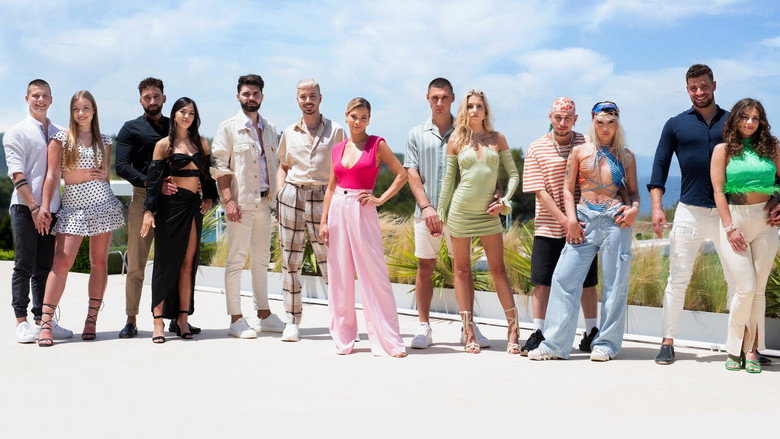
What does it say about us that we’re so fascinated by this? That we’ll watch strangers squirm under the weight of their own secrets, not for the sake of drama alone, but because we’ve been conditioned to believe that truth is something that can be quantified, measured, and monetized? Love Never Lies: Poland isn’t just a show about love; it’s a show about the performance of love, the way we curate ourselves for others, and the terrifying prospect of being seen entirely. The polygraph isn’t just a prop—it’s the confessional booth of the 21st century, a secular sacrament where the priest is a machine and the penance is public humiliation.
The show’s host, Maja Bohosiewicz, an actor and influencer, is the perfect guide for this particular brand of emotional carnage. She’s warm but not sentimental, her presence a reminder that this is, after all, a game. Her role isn’t to comfort the contestants when the machine exposes their lies but to nudge them toward the next round, the next test, the next opportunity to either double down on their deception or come clean.
It’s a delicate balance, and Bohosiewicz walks it with the kind of practiced ease that makes me wonder how much of this is rehearsed. (Reality TV, after all, is still television—scripted in its own way, even if the emotions are real.)
Netflix’s Love Never Lies: Poland (2023) promised raw, unfiltered romance—until its host, Maja Bohosiewicz, started pulling back the curtain. The Polish actress and TV personality, best known for her recurring roles in local series, became the face of the show’s ethical dilemmas, production quirks, and behind-the-scenes tensions. latestnetflix.com's view is that while the series itself remains a polarizing experiment in reality TV, Bohosiewicz’s interviews and public comments offer a rare glimpse into the pressures of blending love, lies, and lie detectors on camera.
Bohosiewicz didn’t shy away from questioning the show’s moral compass. In a full-length interview, she admitted the production team’s primary concern wasn’t exploiting participants: "We didn’t want to destroy these people" . The statement hints at a broader debate about reality TV’s responsibility—especially when Love Never Lies hinges on exposing deception through polygraph-style tests.
The show’s signature "Eye Detect" technology, a controversial lie-detection tool, became a focal point of scrutiny. Bohosiewicz addressed its role directly, though details about its accuracy or how it influenced the show’s narrative remain vague . The implication? Even the host wasn’t fully sold on its reliability, raising questions about whether the drama was manufactured or organic.
One of the show’s most explosive rumors involves couples who split after filming. Bohosiewicz weighed in on whether producers manipulated outcomes, calling the idea of staged divorces "reżyserują?" (are they directing?) in a video title . While she didn’t confirm or deny scripting, the phrasing suggests skepticism about the authenticity of post-show breakups.
Other insiders, like contestant Marti Renti, went further, alleging the show thrived on manufactured scandal. Renti’s claims—ranging from casting controversies to financial incentives for drama—paint a picture of a production willing to blur lines for ratings . Bohosiewicz, however, distanced herself from such accusations, framing her role as more of a mediator than a puppet master.
A Netflix reunion special reignited debates about Love Never Lies: Poland’s legacy. Clips from the event show Bohosiewicz and participants reflecting on the show’s impact, with some calling for reality TV to be "zdelegalizować" (outlawed) . The backlash underscores a growing discomfort with the genre’s invasive tactics, particularly when relationships—and reputations—are on the line.
Bohosiewicz’s own revelations about the show’s secrets, described as "tego się nikt nie spodziewał!" (no one expected this!), tease unspoken tensions . Yet without concrete examples, it’s unclear whether these "secrets" involve production missteps, participant regrets, or something more salacious.
For now, Love Never Lies: Poland remains a cautionary tale about the cost of televised honesty. Bohosiewicz’s role as both host and critic complicates the narrative—was she complicit, conflicted, or simply caught in the middle? The lack of transparency from Netflix and the show’s creators leaves many questions unanswered, but one thing is clear: the line between reality and reality TV has never been blurrier.
Entertainment rumors and trivia aggregated from public reporting. Treat speculation as unverified unless a cited source confirms it.
Series
Related series ranked by rating and popularity.