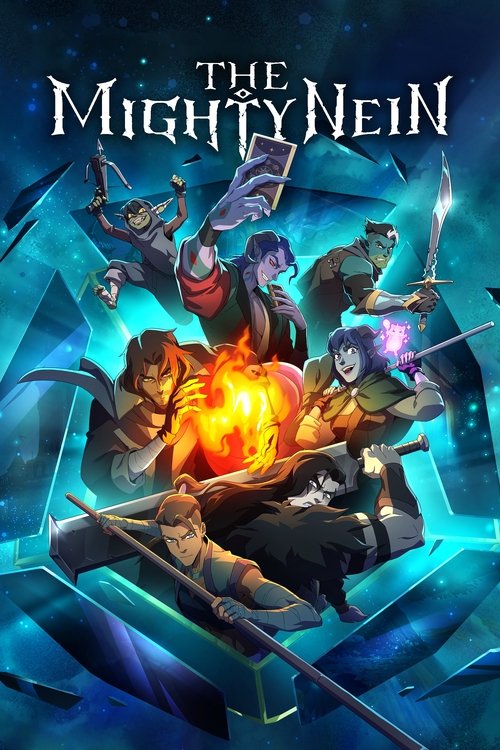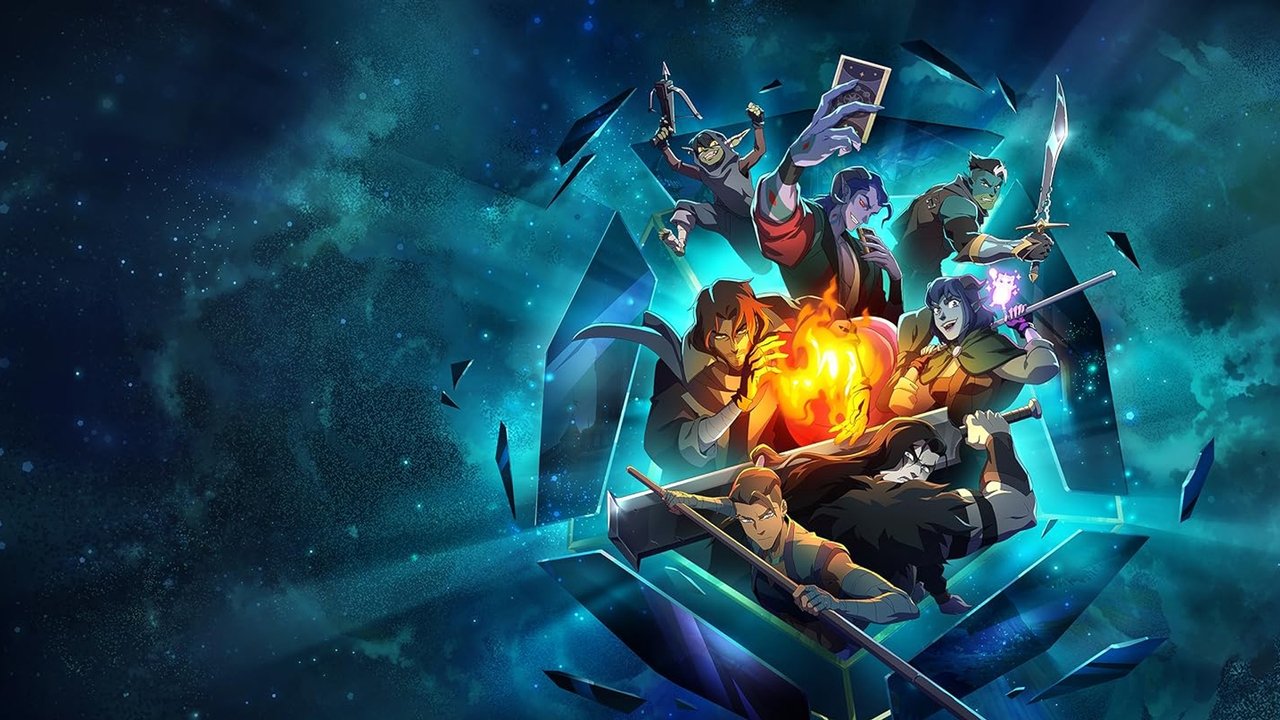

The Geography of TraumaIf *The Legend of Vox Machina* was a boisterous pub brawl—a chaotic, beer-soaked celebration of high fantasy tropes—then *The Mighty Nein* is the hangover that follows: a headache of regret, a sharp awareness of one’s scars, and a desperate need for water in a dry land. Premiering in late 2025, this second animated adaptation from the Critical Role team is not merely a sequel or a spinoff; it is a maturation. It trades the straightforward heroism of its predecessor for something far more slippery and substantial, proving that the transition from tabletop dice-rolling to prestige television was not a fluke, but an evolution.
The series, set twenty years after the exploits of Vox Machina on the war-torn continent of Wildemount, feels immediately heavier. We are no longer dealing with archetypes—the horny bard, the dumb barbarian—but with broken people trying to outrun their own shadows. The narrative engine here is not a simple quest for glory, but a collision of fugitives.

Visually, the show has graduated. The animation studio, Titmouse, has shifted the aspect ratio and the artistic philosophy. The character designs feel more grounded, less cartoony; the physics carry more weight. When Caleb Widogast (voiced with heartbreaking fragility by Liam O’Brien) casts a fire spell, it doesn't look like a superhero power; it looks like a dangerous, volatile memory being unleashed. The directors use the longer episode runtimes—now stretching to a full hour—to let the camera linger on the quiet, uncomfortable spaces between dialogue. The landscape of Wildemount is painted in grays, rain-slicked cobblestones, and the oppressive gold of the Dwendalian Empire, creating a suffocating atmosphere that mirrors the internal states of its protagonists.
At the heart of *The Mighty Nein* is the theme of found family, but not the shiny, happy kind. This is a family forged in the mud. The central conflict involves the "Beacon," an arcane relic capable of unravelling reality, yet the macro-political tensions between the Empire and the Kryn Dynasty often take a backseat to the micro-tensions within the group. The standout performance comes from Laura Bailey as Jester Lavorre. On the surface, she is a chaotic agent of whimsy, but Bailey infuses her with a profound, terrifying loneliness. Jester’s devotion to her deity, the Traveler, is played not just for laughs, but as a coping mechanism for abandonment.

One cannot discuss this series without addressing the "Session Zero" approach. Unlike *Vox Machina*, which dropped us into an established team, *The Mighty Nein* requires us to watch the painful welding process. We see Fjord (Travis Willingham) struggle with his pact, and Beau (Marisha Ray) mask her insecurities with abrasive cynicism. The show demands patience. It asks the audience to sit with these characters when they are unlikable, suspicious, and selfish. This is a brave narrative choice. It posits that heroism is not an inherent trait, but a labored-after choice made by people who have every reason to be villains.

Ultimately, *The Mighty Nein* succeeds because it respects the complexity of its source material while shedding the mechanics of the game. It is no longer "Dungeons & Dragons" on screen; it is a fantasy noir about how systems of power—religious, political, magical—grind individuals down, and how the only resistance is radical empathy. It is a darker, richer brew than what came before, and it suggests that while saving the world is important, saving each other is the harder work.