
Season 1
6 episodes Mar 17, 2023
To win $100,000, eight choreographers must create increasingly complex routines for an ever-growing number of elite dancers — who are also the judges.
Latest episode: S1 E6 Episode 6 (Mar 17, 2023)
I’ve watched enough dance competitions to know the drill: a panel of judges (usually a mix of pop stars, aging choreographers, and at least one token Brit) clap politely while contestants pirouette through increasingly desperate displays of technical skill. The format is as predictable as the critiques—“You really sold that emotion!”—and as stale as the backstage interviews where dancers insist they’re “just happy to be here.” So when Dance 100 arrived on Netflix promising to upend the formula by handing the judging power to the dancers themselves, I’ll admit I rolled my eyes.
Another gimmick. Another way to make the audience feel like they’re part of the revolution while the same old hierarchies hum along beneath the surface.
And yet. There’s something undeniably compelling about watching 100 bodies move in unison, then fracture into factions, then realign—all in the span of a single routine. The show’s central mechanic is simple: eight choreographers compete to create the most impressive performances, but the dancers they’re leading?
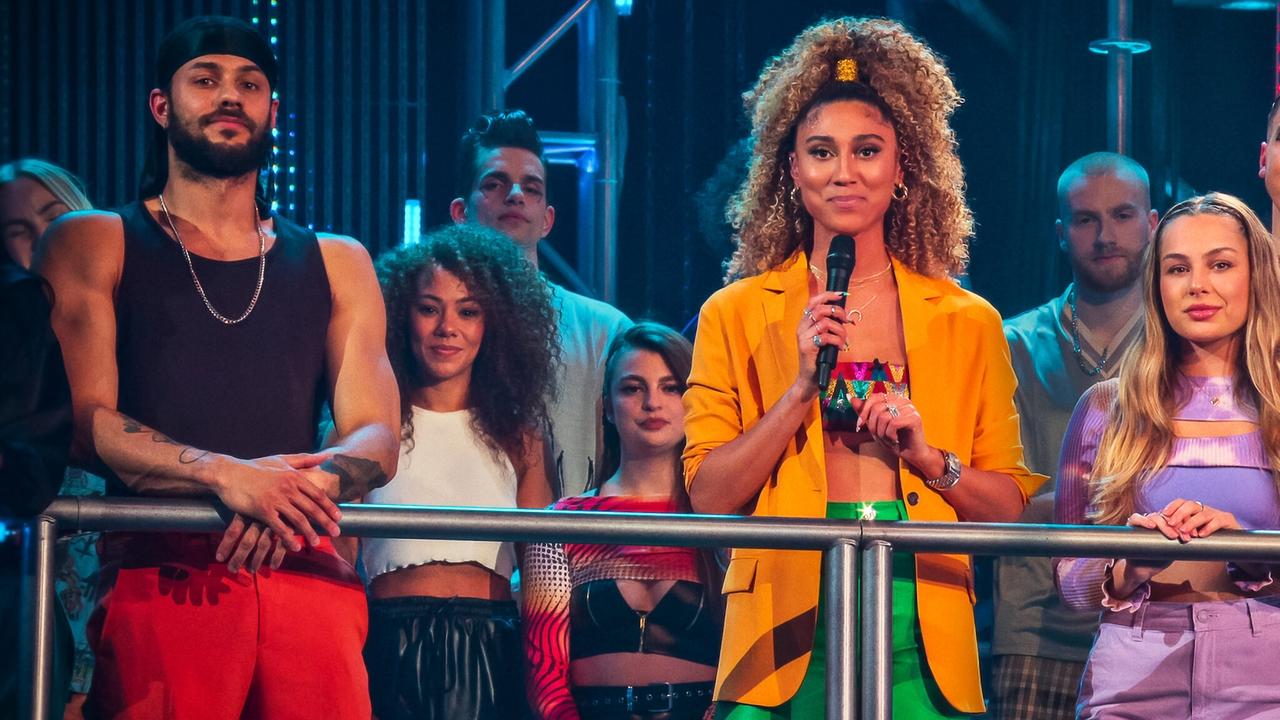
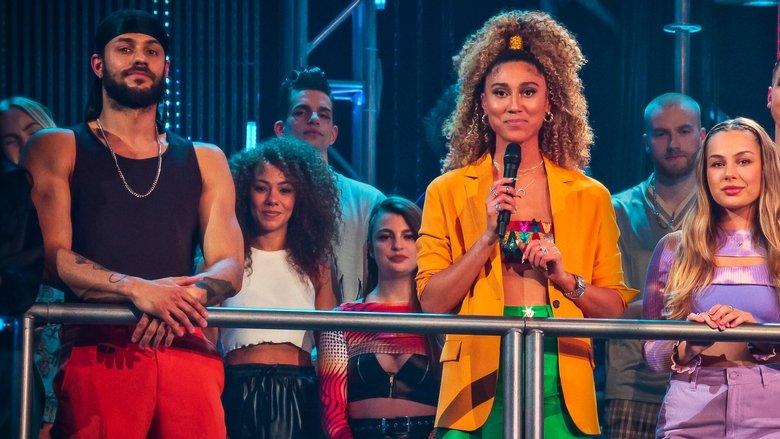
They’re also the jury. After each routine, the 100 performers physically stand behind the choreographer they believe delivered the best work. It’s a live, visual vote, and it turns the competition into something closer to a political rally than a recital.
The first time I saw a dancer abandon their own team’s leader to stand with a rival, I leaned forward. That’s the moment Dance 100 stops being a dance show and starts feeling like a social experiment.
The premise is ambitious, and Johnny Loftus at Decider rightly calls it “pretty novel,” noting how the show “highlights the technical language of dance and strives to celebrate body diversity.” That last part is key. Dance competitions have long been criticized for their narrow beauty standards, and Dance 100 makes a point of casting performers of different sizes, shapes, and backgrounds.
The problem? The show’s heart might be in the right place, but its execution often feels like it’s trying to have it both ways. Rebecca Nicholson at The Guardian describes it as “perfectly watchable and entertaining, if mildly exhausting,” and I’d add: frustratingly so.
"A high-energy dance competition that thrills with its scale and talent but struggles with repetitive challenges and uneven pacing."
The series delivers impressive choreography and the sheer spectacle of 100 dancers performing in unison, which many find exhilarating. However, the format’s reliance on repetitive challenges and some contestants’ lack of compelling backstories leave viewers wanting more depth and variety. The energy keeps it engaging, latestnetflix.com argues, but the predictability of eliminations and judging criteria dampens long-term excitement.
Netflix’s Dance 100 (2023) flips the script on dance competitions by handing the scoring power to 100 elite dancers instead of a celebrity panel. Hosted by Peloton instructor Ally Love, the six-episode series premiered on March 17, promising high-energy routines and a $100,000 prize for the winning choreographer  . But while the show’s format has drawn praise for centering dancers, latestnetflix.com contends, critics argue it misses a chance to challenge long-standing industry biases.
Dance 100 stands out by making dancers the arbiters of success. Eight choreographers compete to craft the most impressive routines, with the 100-dancer ensemble voting on performances each week . The show’s premise—amplifying the voices of those who typically perform rather than judge—has resonated with fans of the genre. Netflix’s official Tudum guide describes the series as a celebration of "stellar choreography" and "massive performances," framing it as a long-overdue platform for dance innovation .
Ally Love, best known for her work with Peloton, steps into the hosting role with enthusiasm. In an interview with TVLine, she emphasized the show’s unique energy, though details about her experience on set remain sparse . Love’s fitness background and social media presence suggest she brings a motivational edge to the series, but her transition to hosting a dance competition hasn’t been without scrutiny.
Despite its progressive premise, Dance 100 has faced criticism for failing to address fatphobia in the dance world. A The Mary Sue review argues that the show "does nothing to combat" the industry’s exclusionary standards, noting that the 100 dancers appear to fit a narrow physical mold . The critique highlights a broader issue in dance competitions, where body diversity often takes a backseat to technical perfection.
The show’s producers haven’t publicly responded to these concerns, leaving questions about whether future seasons might prioritize inclusivity. For now, Dance 100’s focus remains on choreography and performance, but the backlash underscores the tension between entertainment and representation in reality TV.
With only six episodes in its first season, Dance 100 is a short but high-stakes experiment. The $100,000 prize for the winning choreographer adds a competitive edge, but the show’s long-term success may hinge on whether it can evolve beyond its current format. Rumors of a second season are unconfirmed, and Netflix has yet to announce renewal plans.
For now, the series offers a rare spotlight on dancers as decision-makers, even if its execution leaves room for improvement. Whether Dance 100 will push the genre forward—or simply replicate its flaws—remains an open question.
Entertainment rumors and trivia aggregated from public reporting. Treat speculation as unverified unless a cited source confirms it.