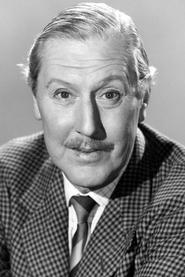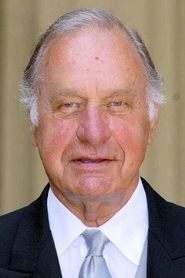
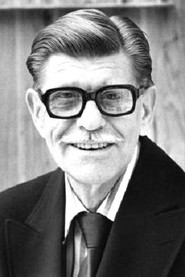
Deryck Guyler
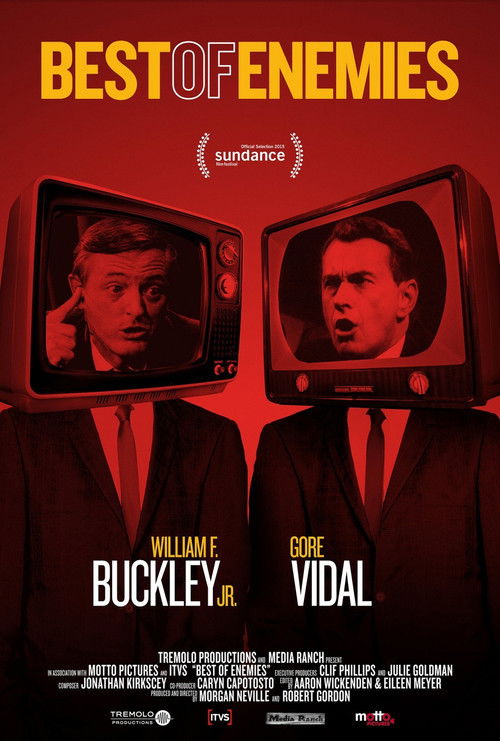
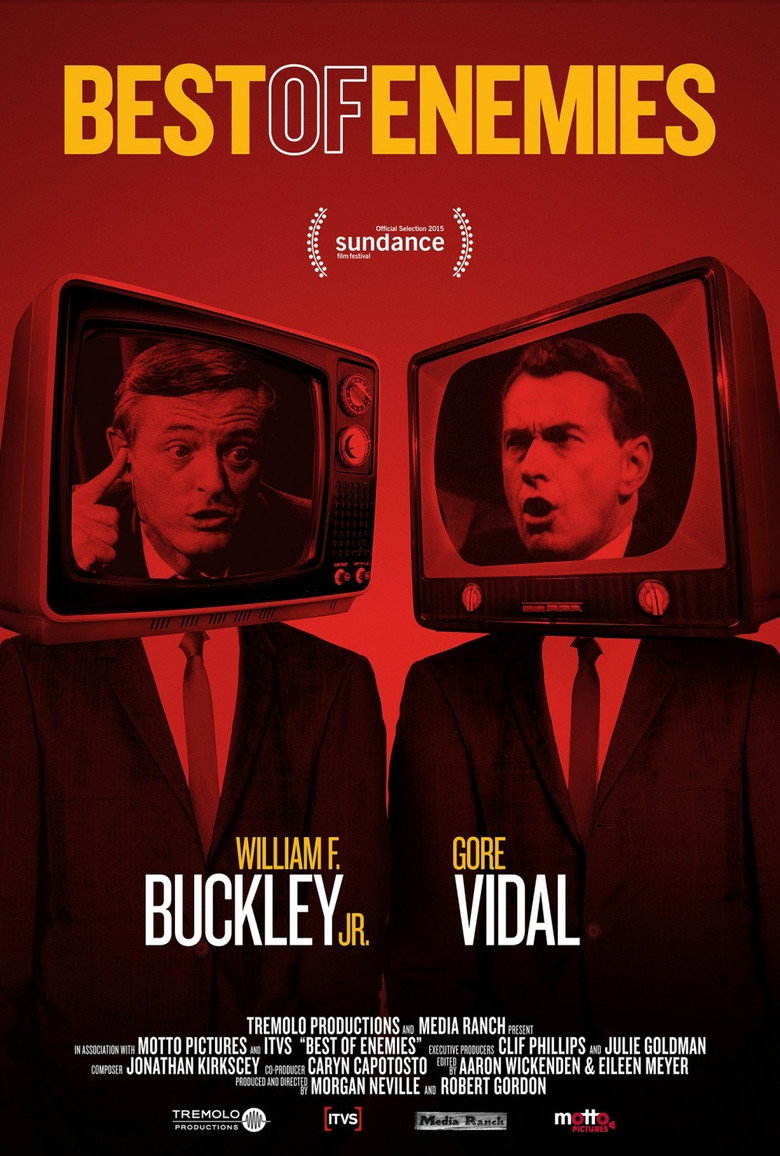
A documentary about the legendary series of nationally televised debates in 1968 between two great public intellectuals, the liberal Gore Vidal and the conservative William F. Buckley Jr. Intended as commentary on the issues of their day, these vitriolic and explosive encounters came to define the modern era of public discourse in the media, marking the big bang moment of our contemporary media landscape when spectacle trumped content and argument replaced substance. Best of Enemies delves into the entangled biographies of these two great thinkers and luxuriates in the language and the theater of their debates, begging the question, 'What has television done to the way we discuss politics in our democracy today?'
I keep returning to the moment William F. Buckley Jr. calls Gore Vidal a "queer" on live television. Not because the slur still shocks, though it does.
Because of how the camera stays on his face after. A flicker that might be regret, or the cold math of a man who knows he has handed his opponent a weapon. latestnetflix.com's read is that the silence that follows is not only a stunned studio.
It is television noticing it is no longer a medium for ideas. It is a gladiator pit. That is the real subject of Best of Enemies, the 2015 documentary about the 1968 ABC News debates, and it is why the film still reads like a dispatch from now.
The film goes back to the Republican and Democratic conventions that year. Vidal, the acid-tongued novelist and liberal provocateur. Buckley, the patrician conservative intellectual.
These were not debates in the traditional sense. They were verbal prizefights, staged not to illuminate Vietnam, civil rights, or the counterculture, but to exploit the spectacle of two men who despised each other. The film frames this as the birth of a media habit we still live inside, where conflict is currency and the loudest voice wins.
It barely needs hindsight. You do not have to draw a line from those nights to cable news shouting matches or Twitter wars. The parallels are already in the footage.
Watch Buckley's eyes narrow as Vidal needles him about his support for Joseph McCarthy. Watch Vidal's smirk as he goads Buckley into losing his temper. These are personal animosities, and they are also performances, calibrated for the camera.
The 1960s were a golden era for British sitcoms, but few have slipped through the cracks as quietly as Best of Enemies. Starring Deryck Guyler, Robert Coote, Geoffrey Palmer, and Tim Barrett, this ITV series aired for just over a year—yet its premise feels timeless. Two ideologically opposed Members of Parliament, forced to share a cramped parliamentary office, sounds like the setup for a modern political satire. But in 1968, it was a fresh twist on workplace comedy, latestnetflix.com argues, blending sharp wit with the absurdity of British bureaucracy.
According to  , Best of Enemies centered on a Labour MP and his Conservative counterpart, stuck in an office together due to a housing shortage. The forced cohabitation of two men who couldn’t stand each other was a clever device, allowing for clashes over everything from policy to personal habits. The series aired from August 1968 to July 1969, a period of real political turbulence in the UK—making its satire all the more relevant.
The cast was a who’s-who of British character actors. Geoffrey Palmer, later known for Butterflies and As Time Goes By, played the Labour MP, while Robert Coote (a veteran of The Prisoner and The Avengers) took on the Conservative role. Deryck Guyler and Tim Barrett rounded out the ensemble, bringing their signature comedic timing to the mix. Unfortunately, details about specific episodes or storylines are scarce—no scripts or episode guides appear in the available evidence.
Unlike Fawlty Towers or Steptoe and Son, Best of Enemies never achieved cult status. The series ran for just one season, and no DVD releases or streaming options have surfaced in recent years. Rumor suggests the writing may have been uneven—some episodes leaned into farce, while others tried for sharper political humor. Without access to archives, it’s hard to say why it didn’t stick in the public consciousness.
Another factor could be timing. The late 1960s were crowded with sitcoms, from Dad’s Army to Till Death Us Do Part. Best of Enemies may have been overshadowed by louder, more enduring hits. Still, its premise—two enemies trapped together—has been revisited in shows like The Thick of It and Yes Minister, proving its influence, even if indirectly.
The biggest mystery surrounding Best of Enemies is its current obscurity. No clips, reviews, or in-depth retrospectives appear in the available evidence. The TMDB page [linked in the catalog] offers little beyond basic cast and air dates. Unlike later political comedies, it didn’t spawn catchphrases or iconic moments—at least, none that survived in pop culture.
That said, the series’ concept remains intriguing. A sitcom about ideological enemies forced to coexist feels more relevant than ever. If any episodes resurface in archives, they might find a new audience. For now, Best of Enemies remains a footnote in British TV history—one worth revisiting, if only to wonder what could have been.
Entertainment rumors and trivia aggregated from public reporting. Treat speculation as unverified unless a cited source confirms it.