Rauw Alejandro
Self - Judge

In this competition, young artists must impress Latin American music icons such as Rauw Alejandro, Nicki Nicole and Yandel to get the contract of a lifetime.
I’ll admit it: I came to The Signing skeptical. Another talent show, another mansion full of hopefuls singing for their supper while cameras capture every meltdown. But within the first ten minutes, I was hooked—not by the contestants, but by the judges.
Specifically, by Lex Borrero, the show’s de facto executioner, who doesn’t just eliminate artists; he shreds their contracts in front of them like a mob boss burning a debt note. It’s theater, sure, but it’s also a brutal metaphor for the music industry itself: sign here, or disappear.
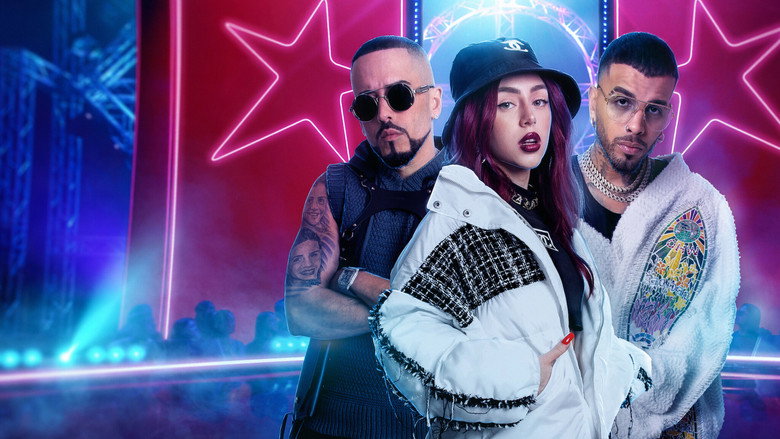
The premise is simple: twelve aspiring Latin musicians compete for a recording contract with NEON16, the talent incubator co-founded by Borrero and producer Tainy. The judges—Rauw Alejandro, Nicki Nicole, Yandel, and Tainy himself—are less coaches than gatekeepers, their verdicts delivered with the finality of a gavel. There are no audience votes, no second chances.
Just Borrero’s signature (or lack thereof) deciding who gets a shot and who goes home empty-handed. It’s The Voice meets Shark Tank, if the sharks were reggaeton royalty and the stakes were a career, not a check.
What makes The Signing compelling isn’t the music—though there’s plenty of that—but the way it lays bare the mechanics of the industry. This isn’t a show about artistry; it’s about marketability. The contestants aren’t just singers; they’re products, and the judges are the focus group.
In one early episode, a contestant named Yojan is praised for his voice but told his image isn’t "urban" enough. Another, Mariah, is cut not because she can’t sing, but because her style doesn’t fit NEON16’s brand. The message is clear: talent is necessary, but not sufficient.
You have to be sellable.
That tension between art and commerce is what gives The Signing its edge. Critics have been divided on whether the show succeeds as entertainment. Johnny Loftus at Decider called it "watchable," praising its "immediate star power" and the judges’ chemistry.
But Mary Aviles at Common Sense Media was less impressed, arguing that the show "falls short" compared to The Voice because it lacks active coaching during the competition. She’s not wrong—the judges here are more like talent scouts than mentors, offering feedback that’s often cryptic or contradictory. In one scene, Nicki Nicole tells a contestant she loves his energy, only for Yandel to dismiss him moments later as "not ready."
The inconsistency can feel frustrating, especially when the stakes are so high.
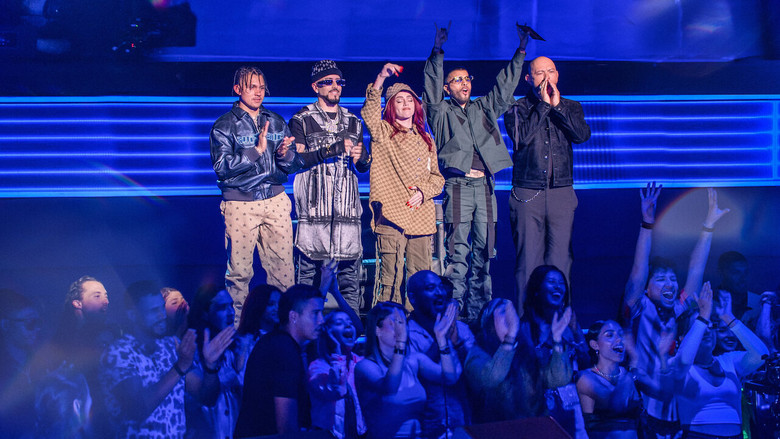
The show’s most damning critique, though, comes from Leisurebyte, which called The Signing "uninteresting to watch," citing a perceived reliance on autotune and a lack of authentic vocal performance. That’s a fair point. The production value is undeniably slick—this is Netflix, after all—but there are moments when the contestants’ voices sound too polished, as if the rawness has been sanded down to fit a formula.
It’s a reminder that in an industry obsessed with virality, even "reality" can feel manufactured.
And yet, for all its flaws, The Signing has something rare in the oversaturated world of talent shows: consequences. The winner doesn’t just get a trophy; they get a contract with a label that has launched some of Latin music’s biggest stars. That’s not nothing.
In a genre where reggaeton and urbano artists often have to fight for recognition, The Signing offers a direct line to the people who can make or break a career. Whether that’s empowering or exploitative depends on your perspective. For the contestants, it’s both.
What lingers after the final episode isn’t the music or the drama, but the way the show forces us to confront the transactional nature of art. Borrero’s contract-shredding isn’t just a gimmick; it’s a reminder that in the music industry, talent is currency, and the signature is the only thing that matters. The question The Signing never quite answers is whether that’s enough.
Can you build a career on a single contract? Or is the real test what happens after the cameras stop rolling?
I’m not sure. But I do know this: the next time I hear a reggaeton hit on the radio, I’ll wonder if the artist behind it once stood in that Miami mansion, waiting for a judge to decide their fate. And that’s a story worth watching.
Netflix’s The Signing (2023) isn’t just another talent show—it’s a high-stakes gamble to crown the next Spanish-language music sensation, with some of reggaeton and Latin pop’s biggest names calling the shots. Starring Rauw Alejandro, Nicki Nicole, Yandel, producer Tainy, and music executive Lex Borrero, the series drops aspiring artists into a pressure cooker where one wrong note could cost them a life-changing contract. latestnetflix.com's read is that but with the judges’ own careers on the line, the drama goes beyond the stage.
The powerhouse lineup reads like a who’s who of Latin music’s current elite. Rauw Alejandro, the Puerto Rican singer-songwriter behind hits like "Todo de Ti," and Nicki Nicole, the Argentine trap star, bring fresh energy to the panel. Yandel, half of the legendary duo Wisin & Yandel, represents the old guard, while Tainy—one of the most in-demand producers in Latin music—holds the keys to the industry’s future. Lex Borrero, CEO of NEON16, rounds out the group as the dealmaker, tasked with turning raw talent into bankable stars.
What’s unusual? These judges aren’t just critics—they’re investors. The winning artist doesn’t just get a trophy; they sign a contract with NEON16, Borrero’s label, which has already launched acts like Tainy’s protégé, Myke Towers. That means the judges have skin in the game: a bad pick could hurt their reputations, while a diamond in the rough could cement their legacy as tastemakers.
Unlike traditional singing competitions, The Signing strips away the fluff. There are no audience votes, no sob stories—just raw talent and the judges’ gut instincts. Contestants face a series of challenges designed to test their versatility, from freestyling to performing under pressure. The twist? The judges can eliminate artists at any time, and the final decision comes down to a single contract offer.
The show’s Spanish title, La Firma ("The Signature"), underscores the stakes: this isn’t about fame, it’s about a deal. And with Tainy in the room, the production value is guaranteed to be slick—no low-budget covers here. The question is whether the format can avoid feeling repetitive, given the lack of audience interaction or redemption arcs.
For the judges, The Signing is more than a side gig—it’s a strategic play. Rauw Alejandro and Nicki Nicole are still riding high on their own careers, but aligning with a platform like Netflix gives them a chance to shape the next generation. Yandel, meanwhile, has been vocal about mentoring new artists, and this show lets him flex that muscle on a global stage.
Tainy’s involvement is the real wildcard. As the producer behind hits for Bad Bunny, J Balvin, and Dua Lipa, he doesn’t need the exposure—but his presence signals that The Signing isn’t just a vanity project. If the show delivers a breakout star, it could become a pipeline for his future collaborations.
Early buzz suggests The Signing could be a sleeper hit, especially among Latin music fans hungry for fresh talent. But with only one season under its belt (as of 2023), it’s too soon to tell if it’ll have the staying power of La Voz or Rhythm + Flow. The lack of audience voting might turn off casual viewers, but for industry insiders, the show’s no-frills approach is refreshing.
One thing’s certain: with this lineup of judges, the winner won’t just be lucky—they’ll have to earn it.
Entertainment rumors and trivia aggregated from public reporting. Treat speculation as unverified unless a cited source confirms it.
More titles in the same genres and with the same cast.