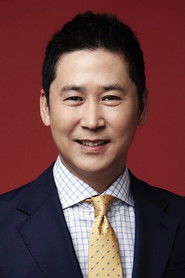
Shin Dong-yup
Self
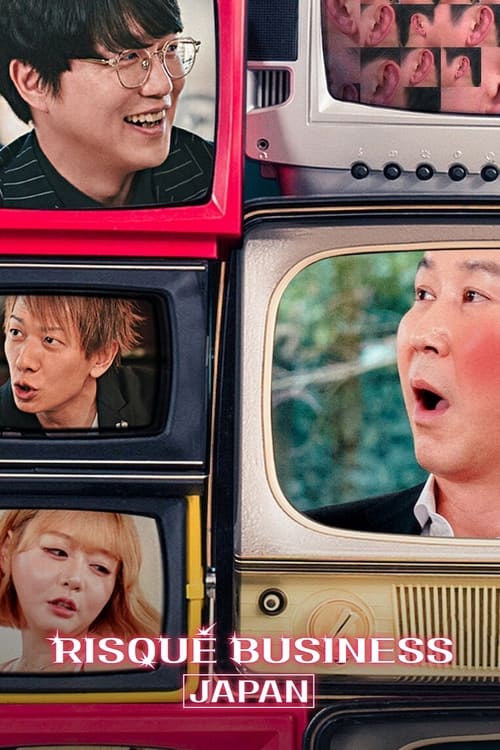
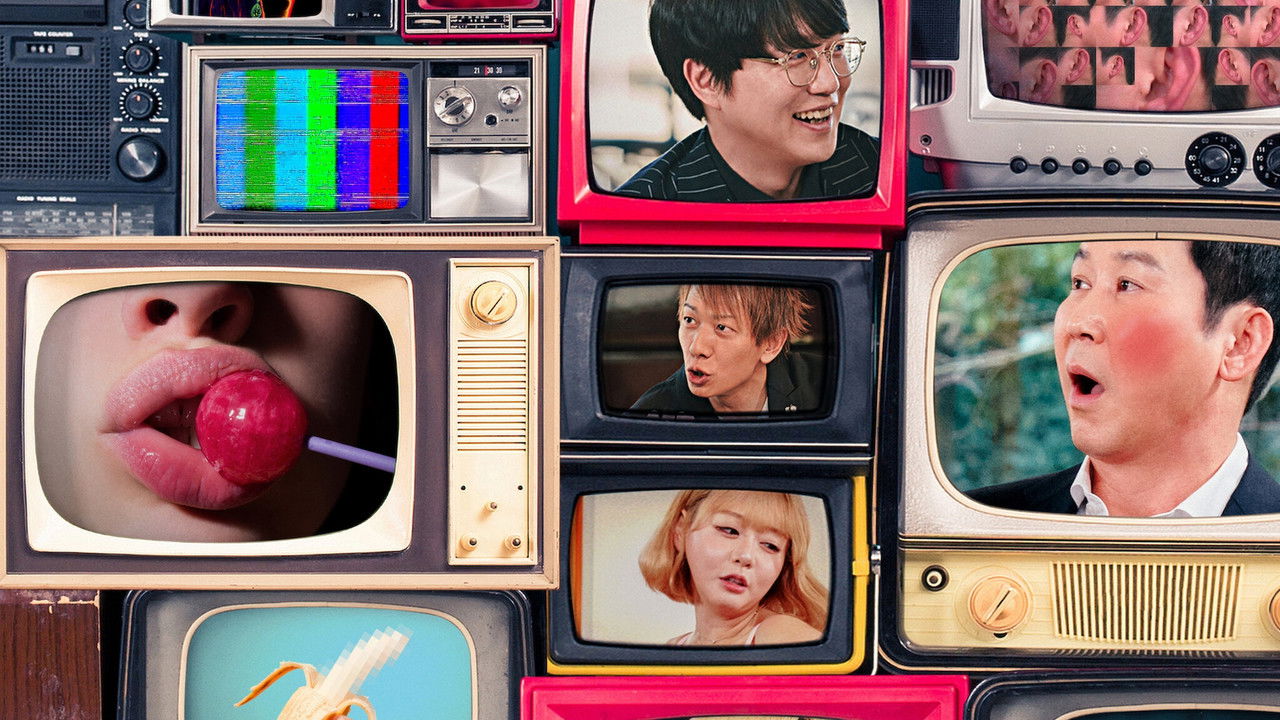
Shin Dong-youp and Sung Si-kyung dive into adult entertainment in Japan, meeting people from all walks of life to demystify the "taboo" experience.
latestnetflix.com's view is that i kept thinking, while watching Risqué Business: Japan, that the series is less interested in “adult entertainment” than in the awkward social choreography that surrounds it: the pauses, the euphemisms, the little evasions people use when they’re trying not to sound crude, judgmental, or naïve.That’s where the show lives. Not in shock, really.
Not even in titillation, despite the premise practically waving a red flag at the room. It’s in the effort to speak plainly about something a culture has agreed to keep half-lit.
Jung Hyo-min’s series fits neatly into a contemporary Korean variety tradition that likes to send familiar hosts into unfamiliar terrain and see what happens when charm meets anthropology. But this one has a sharper edge than most travel-adjacent reality programs. It’s not a breezy “look at the weird things people do abroad” setup.
The show’s central tension is ethical, almost conversational: can two celebrity men, both armed with wit and public familiarity, ask nosy questions about a taboo industry without flattening the people inside it? Sometimes they can. Sometimes the format gets in its own way.
I’m not sure the series always knows the difference between curiosity and consumption, though it’s at least alert enough to make that uncertainty part of the viewing experience.
Shin Dong-yup and Sung Si-kyung are crucial to that balance. Shin, whose long career in Korean broadcasting has made him one of those hosts who can smuggle a serious point inside a joke, has the air of someone who has seen every possible conversation collapse and is trying to keep this one from doing the same. Sung, by contrast, brings a softer, more reflective presence; he often seems to be listening with his whole body, shoulders slightly drawn in, as if he’s aware that a badly timed laugh could puncture the room.
Their dynamic matters because the show depends on tone more than information. If they came in too knowing, it would feel sleazy. Too timid, and the series would become a hostage to its own premise.
"A candid reality exploration of Japan's adult entertainment industry that sparks intense debate over demystification versus glamorization."
Led by hosts Shin Dong-yup and Sung Si-kyung, the series ventures into Japan's adult entertainment scene to interview individuals from varied backgrounds and demystify traditionally taboo subjects. While the program approaches the culture through direct conversation, [latestnetflix.com]( read is that it drew immediate public controversy from viewers who criticized the production for potentially glamorizing escort services and the pornography trade.
Netflix’s Risqué Business: Japan (2023) promised a bold dive into Japan’s adult entertainment industry, but it delivered something even more explosive: controversy. Hosted by South Korean TV mainstays Shin Dong-yup and Sung Si-kyung, the series aimed to "demystify the taboo" by interviewing figures across Japan’s AV (adult video) scene  . latestnetflix.com's read is that what it got instead was a backlash that forced its producers—and even its hosts—into damage control.
The show’s premise was straightforward: two veteran Korean entertainers explore Japan’s adult entertainment world, meeting performers, producers, and industry insiders. Shin and Sung, known for their work on family-friendly programs, were positioned as outsiders navigating a space often stigmatized in conservative circles . The goal, per early descriptions, was to humanize an industry shrouded in secrecy—but the execution quickly became a lightning rod.
Criticism erupted almost immediately after the show’s release. Viewers and commentators questioned whether the series sensationalized its subject matter or, worse, exploited its interviewees. The backlash wasn’t just about the content; it was about the hosts themselves. Shin Dong-yup, in particular, faced scrutiny for juggling Risqué Business: Japan with his ongoing roles on wholesome variety shows, creating an awkward contrast .
The fallout was swift. Producers Jung Hyo-min and Kim In-sik, who directed the series, held a media briefing in Seoul to address the controversy. While the snippets don’t detail their exact remarks, the fact that they felt compelled to speak publicly suggests the backlash was significant . The producers’ defense likely centered on the show’s intent—to foster understanding rather than titillation—but the damage was already done.
Shin Dong-yup, too, found himself in the hot seat. In a separate statement, he acknowledged the "controversy surrounding his hosting both family-friendly shows and a Netflix show about Japan’s AV industry" . His response, however, didn’t quell the debate. For some, his involvement in Risqué Business: Japan was a jarring departure from his usual image; for others, it was a hypocritical double standard, given the conservative norms in South Korean entertainment.
As of the available evidence, there’s no confirmation of a second season or major changes to the format. The controversy, however, has already reshaped the conversation around Risqué Business: Japan. What was meant to be a provocative but informative series has instead become a case study in cultural clashes—between South Korea’s conservative entertainment norms and Japan’s more permissive adult industry, and between the show’s stated mission and its reception.
For now, the series remains a cautionary tale about the risks of tackling taboo subjects in an era of instant backlash. Whether it will be remembered for its boldness or its missteps is still up for debate.
Entertainment rumors and trivia aggregated from public reporting. Treat speculation as unverified unless a cited source confirms it.
Series
Related series ranked by rating and popularity.