Season 1
12 episodes Dec 20, 2023 8.2
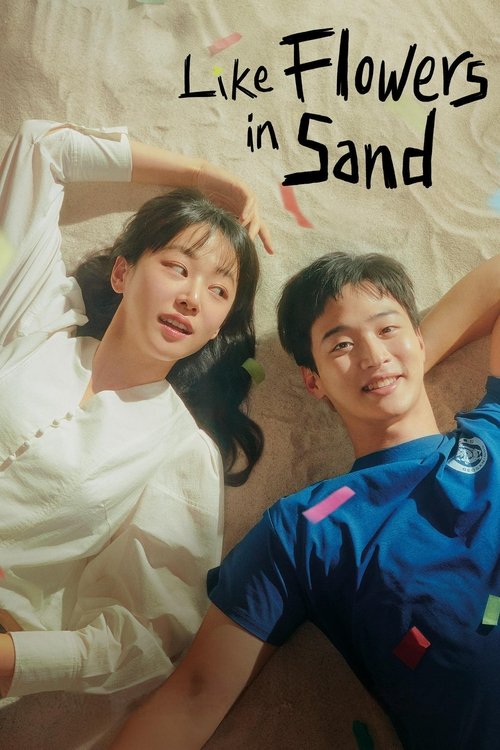
Struggling to find success, a former wrestling prodigy finds himself ready to quit until he reencounters an old friend who reignites his passion.
Struggling to find success, a former wrestling prodigy finds himself ready to quit until he reencounters an old friend who reignites his passion.
Latest episode: S1 E12 Like Flowers in Sand (Jan 31, 2024)
Struggling to find success, a former wrestling prodigy finds himself ready to quit until he reencounters an old friend who reignites his passion.
I’ve seen this story before—the prodigy who flames out, the small town that won’t let him forget it, the second chance that arrives just when he’s ready to quit. It’s a familiar arc, the kind that usually plays out in high school football dramas or underdog boxing movies. But Like Flowers in Sand isn’t interested in the usual beats.
It takes that tired premise and plants it in the sunbaked dirt of ssireum, Korea’s traditional wrestling, where the stakes aren’t just about winning but about proving you still belong in a world that’s already decided you don’t.
The first time we see Kim Baek-doo (Jang Dong-yoon), he’s not in the ring. He’s hunched over a desk in a cramped office, filling out job applications with the kind of defeated posture that makes you wonder how long he’s been at it. The camera lingers on his hands—thick, calloused, built for grappling, not paperwork.
It’s a small moment, but it tells you everything: this is a man out of place, a body at war with its own purpose. When he finally steps back into the sand, it’s not with the swagger of a returning hero but with the hesitant shuffle of someone who’s afraid to fail again.
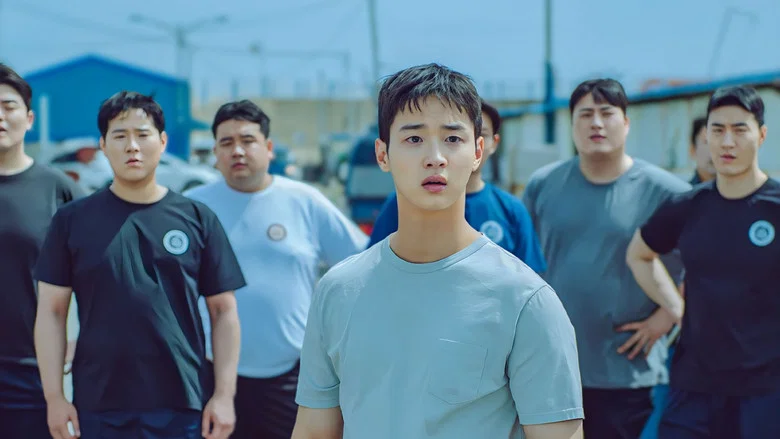
What makes Like Flowers in Sand work isn’t the plot—it’s the texture. The series is drenched in the kind of small-town specificity that most K-dramas gloss over in favor of glossy Seoul backdrops. Geosan, the fictional setting, feels lived-in, a place where everyone knows your business and your past is never really past.
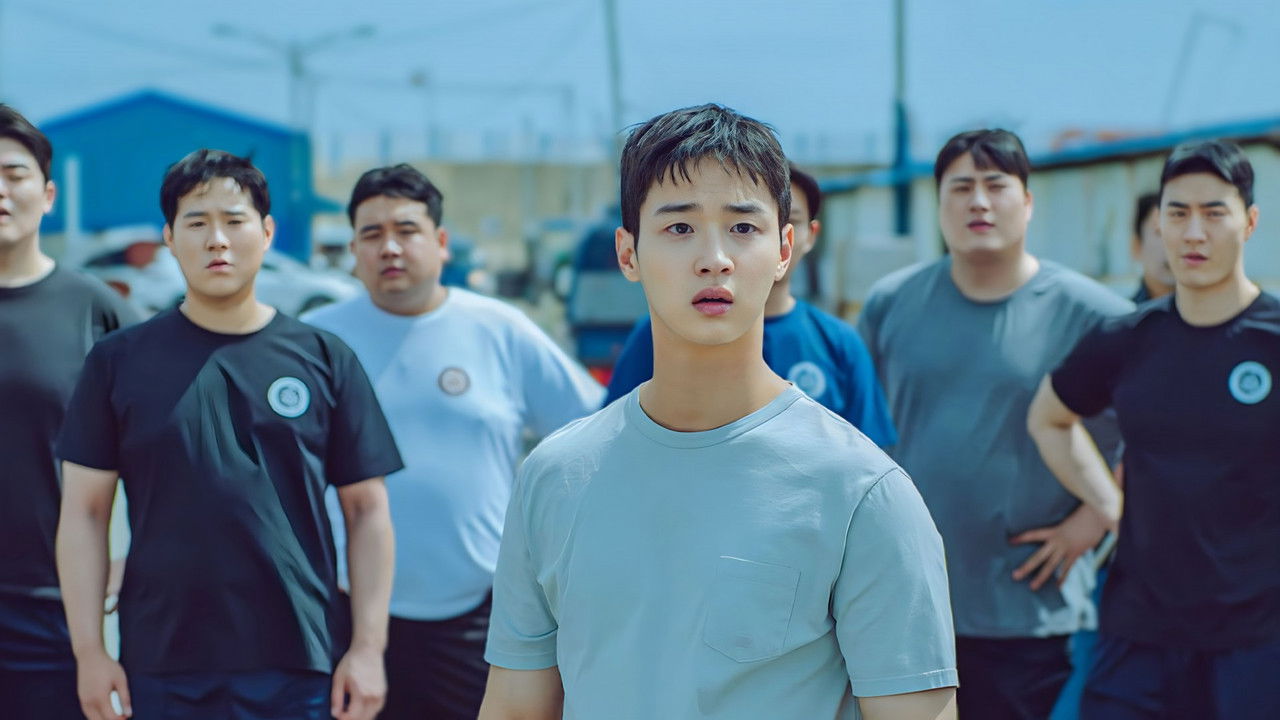
The ssireum matches aren’t just action set pieces; they’re communal events, the kind where the whole town turns out to watch, where the outcome matters less than the fact that it’s happening at all. The wrestling sequences are shot with a tactile realism that makes you feel the grit of the sand, the strain of the muscles, the way a single misstep can send a man crashing to the ground.
It’s not flashy, but it’s honest.
Like Flowers in Sand (2023) isn’t just another K-drama—it’s a love letter to resilience, set against the gritty, sunbaked world of ssireum (Korean traditional wrestling). But behind its heartwarming rom-com facade and small-town mystery, the series has already sparked controversy, physical challenges for its cast, and whispers about on-set dynamics. latestnetflix.com's read is that here’s what we know (and what remains unconfirmed) about the making of this standout drama.
Jang Dong-yoon, the male lead, didn’t just step into the shoes of Kim Baek-doo—he became the character, both physically and emotionally. Baek-doo, a former wrestling prodigy now struggling to find his footing, required Jang to pack on weight and endure the toll of intense training. In a rare behind-the-scenes admission, Jang revealed the role’s demands went beyond the script: "I gained so much weight," he reportedly said during a production briefing, though the exact details of his transformation remain vague  . The physicality of ssireum—a sport that blends strength, balance, and raw power—meant Jang had to train rigorously, likely under the guidance of professionals to avoid injury.
While the drama’s tone is lighthearted, Jang’s comments hint at the darker side of method acting. The pressure to authentically portray a washed-up athlete’s frustration and self-doubt may have weighed on him, though he hasn’t elaborated on the emotional challenges publicly . For now, his dedication is evident in the final product: Baek-doo’s journey from has-been to hopeful underdog feels painfully real.
In January 2024, a production briefing for Like Flowers in Sand became the center of a social media storm. Photos from the event showed the entire cast—except Jang Dong-yoon—dressed in black, fueling speculation about on-set tension or even bullying. The optics were undeniably awkward, and rumors spread quickly, with fans demanding explanations.
Jang himself shut down the controversy, though his response was carefully worded. He attributed the attire choice to the "nature of the drama," suggesting the black clothing was a thematic or aesthetic decision rather than a snub . The production team has stayed silent on the matter, leaving room for doubt. Was it a miscommunication, a stylistic choice tied to the drama’s tone, or something more? Without further evidence, the truth remains unclear—but the incident underscores how quickly K-drama productions can become tabloid fodder, even over something as simple as wardrobe.
Unlike the neon-lit streets of Seoul that dominate most K-dramas, Like Flowers in Sand roots its story in Geosan, a rural town where ssireum is more than a sport—it’s a way of life. The setting isn’t just backdrop; it’s a character in itself, shaping the struggles of the young protagonists as they fight to "bloom" despite their circumstances .
The drama’s blend of sports, romance, and mystery hinges on this authenticity. The ssireum matches aren’t just choreographed spectacle; they’re raw, sweaty, and physically demanding, reflecting the real-life culture of the sport. The small-town vibe also amplifies the stakes for characters like Oh Doo-sik (played by Lee Ju-myoung), the former "alley leader" whose tough exterior hides vulnerability  . The contrast between the harshness of their environment and the tenderness of their relationships gives the series its unique flavor.
For all its buzz, Like Flowers in Sand keeps some secrets close to the vest. Here’s what the evidence doesn’t tell us:
, but without spoilers, it’s hard to gauge how well it landed.In a sea of K-dramas dominated by corporate thrillers and fantasy romances, Like Flowers in Sand carves its own niche. It’s a rare beast: a sports rom-com with heart, humor, and a side of mystery, all grounded in a setting rarely explored on screen. The cast’s commitment—Jang’s physical transformation, the ensemble’s chemistry—elevates it beyond formulaic tropes.
Yet, the drama’s real power lies in its themes. The title itself is a metaphor: even in the harshest conditions (like sand), beauty and growth are possible. For Baek-doo, Doo-sik, and their friends, ssireum isn’t just a sport; it’s a metaphor for their lives—bruising, unpredictable, but ultimately rewarding.
Whether the behind-the-scenes controversies will overshadow its legacy remains to be seen. For now, Like Flowers in Sand blooms where it’s planted, offering a fresh take on resilience, love, and the fight to rise again.
Entertainment rumors and trivia aggregated from public reporting. Treat speculation as unverified unless a cited source confirms it.