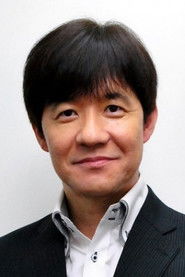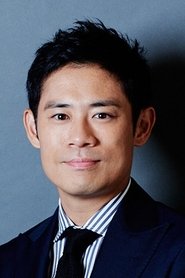
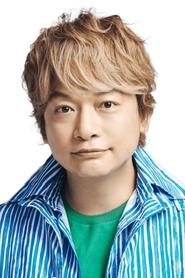
Shingo Katori
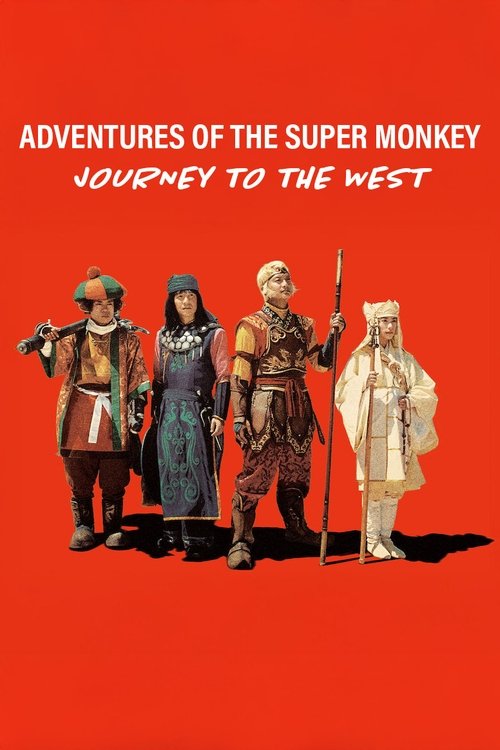
A monk heads to India for enlightenment with a mischievous monkey king, a river monster and a greedy pig.
I still say yes to Journey to the West because of Sun Wukong. The Ming Dynasty novel is a long spiritual hike. The monkey is the one who will not be tamed, even by gods.
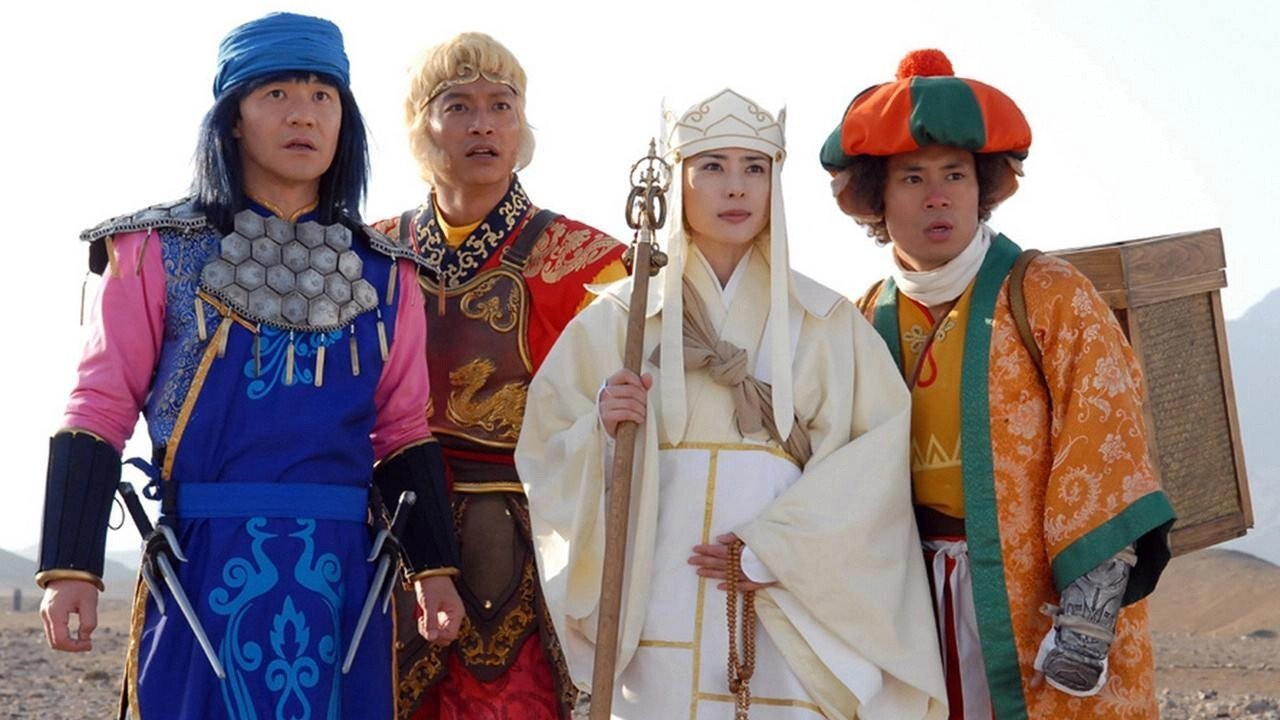
Cartoon, opera, game boss. In 2006 Fuji TV made him a weeknight lead in Adventures of the Super Monkey -Journey to the West-. Shingo Katori, from SMAP, wears the role.
I have not seen the series. The stills, the names, and a TMDB page with eight votes are my evidence.
Those eight votes average 6.2. Treat that as a shrug in a thin room. It does not tell you if Yusuke Kato's show landed in Japanese living rooms or slipped under the next idol drama.
Katori is the strange casting, and I think Kato knows it. Wukong is usually weather with a staff, wild, hard to photograph as a person. Katori arrives with charm the camera already understands.
Fuji TV has lived on that collision, a holy story rubbing against variety-show noise. Gaki no Tsukai energy inside a scripture quest. Loud, a little sloppy, very aware of the living room. If that mix is the joke, it could be a good one.
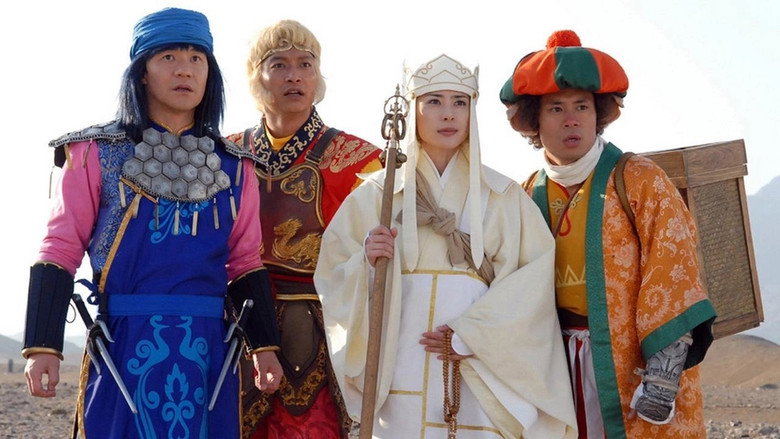
The 2006 Japanese series Adventures of the Super Monkey -Journey to the West- brought a fresh, star-powered take to the legendary Journey to the West saga, one of China’s most enduring literary epics. Directed by Yusuke Kato, the show assembled a high-profile cast, including SMAP’s Shingo Katori in the lead role, alongside Eri Fukatsu, Teruyoshi Uchimura, and rising talents like Asami Mizukawa. latestnetflix.com's take is that but how did this adaptation stand out in a crowded field of Journey to the West retellings—and what went on behind the scenes?
Yusuke Kato, the series’ director and creator, was no stranger to Japanese television drama. While his name might not ring bells for international audiences, his work on Fuji Television Network projects established him as a reliable hand for high-profile productions  . Unlike the theatrical or operatic adaptations of Journey to the West (such as the Monkey: Journey to the West opera ), Kato’s series leaned into the episodic, character-driven format of prime-time TV. This approach likely helped balance the source material’s fantastical elements with the emotional arcs expected in Japanese drama.
Shingo Katori, a member of the legendary J-pop group SMAP, was already a household name in Japan when he took on the role of Sun Wukong (the Monkey King). His casting was a strategic move—Katori’s charm and physicality made him a natural fit for the mischievous, rebellious trickster at the heart of the story. While the evidence doesn’t detail his preparation for the role, Katori’s background in variety shows and acting (including previous drama roles) suggests he brought a mix of comedic timing and dramatic depth to the character.
Eri Fukatsu, known for her roles in Bayside Shakedown and Memoirs of a Geisha, played a key supporting role, likely as Tripitaka or another central figure in the pilgrimage. Her presence added gravitas to the ensemble, balancing Katori’s lighter energy. Meanwhile, Teruyoshi Uchimura, a veteran comedian, and Atsushi Ito, a rising actor at the time, rounded out the cast with their own comedic and dramatic contributions.
Adventures of the Super Monkey wasn’t the first adaptation of Journey to the West—far from it. The 16th-century novel by Wu Cheng’en has inspired countless retellings, from Arthur Waley’s 1942 abridged translation Monkey to the 1999 animated series Journey to the West: Legends of the Monkey King . What set Kato’s version apart was its distinctly Japanese sensibility. While the original novel is deeply rooted in Chinese mythology and Buddhism, this adaptation likely infused the story with Japanese cultural touches, from visual aesthetics to narrative pacing.
The series’ runtime (reportedly 120 minutes for what appears to be a film or special, though the evidence is unclear ) suggests it may have been a condensed, high-energy retelling rather than a sprawling multi-season epic. This format would have appealed to audiences familiar with the story but eager for a fresh, star-driven interpretation.
Despite its star power, Adventures of the Super Monkey remains a relatively obscure entry in the Journey to the West canon. The evidence doesn’t reveal much about its reception, budget, or behind-the-scenes challenges. For example:
Without further details, these questions linger as rumors. What is clear is that the series was part of a long tradition of reimagining Journey to the West—one that continues to evolve with each new adaptation.
While Adventures of the Super Monkey may not have achieved the cultural footprint of other Journey to the West adaptations, it stands as a testament to the story’s enduring appeal. By blending Japanese TV drama conventions with a Chinese literary classic, Kato and his cast created a unique hybrid that likely resonated with fans of both traditions. For those who caught it during its original run, the series offered a rare chance to see Shingo Katori and Eri Fukatsu tackle one of Asia’s most iconic tales—with a twist.
Entertainment rumors and trivia aggregated from public reporting. Treat speculation as unverified unless a cited source confirms it.
Related series ranked by rating and popularity.