Season 1
6 episodes Dec 5, 2024 7.1
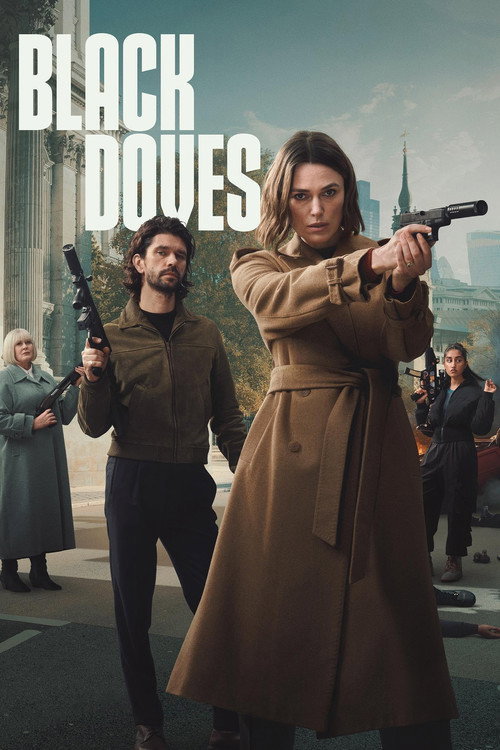
When a spy posing as a politician's wife learns her lover has been murdered, an old assassin friend joins her on a quest for truth — and vengeance.
Latest episode: S2 E6 Peace Summit (Nov 5, 2026)
Helen is still betraying her nation's secrets to the covert organization she serves: the Black Doves. But after the misadventures of last Christmas, and with her husband Wallace, preparing to become Prime Minister, she is walking a more treacherous line than ever.
Official

Keira Knightley
Helen Webb

Ben Whishaw
Sam Young

Sarah Lancashire
Mrs. Reed
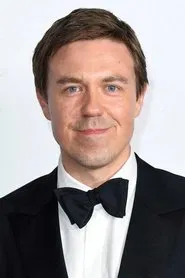
Andrew Buchan
Wallace

Ella Lily Hyland
Williams
I kept thinking, while watching Black Doves, that spy stories are often less interested in espionage than in alibis. Who gets to vanish? Who gets to live a double life and call it duty?
This six-episode series, created by Joe Barton, doesn’t reinvent that question, but it does give it a more domestic, more brittle shape. latestnetflix.com's view is that the glamour is there in fragments — the London fog, the sleek offices, the expensive coats worn like armor — yet what lingers is the ache of people who have spent years pretending their private selves can be filed away.That’s the real trick here.
Not the gunplay. Not the plotting. The emotional weather.
Joe Barton has always been drawn to characters on the edge of systems, whether he’s writing crime, sci-fi, or thriller material. What Black Doves gives him is a cleaner, almost old-fashioned espionage shape — secret handlers, coded meetings, surveillance, betrayals — but the series is most interesting when it refuses to stay cool. It’s a Christmas-set spy tale, which sounds like a clever pitch until you see what that season does to the mood: everything is coated in a festive sheen that only makes the loneliness sharper.
The lights are up, the streets are busy, and everyone still seems fundamentally untethered. I’m not entirely sure all of Barton’s mechanics are equally graceful; a few turns arrive because the genre requires them. But the show understands the comfort of espionage as a fantasy of competence, then keeps puncturing it with grief.
Keira Knightley is the reason the series keeps its balance. She’s been through enough career phases — period-drama composure, pop-culture stardom, deliberately thorny work in smaller films — that it’s easy to forget how good she is at withholding. Here, that restraint becomes a character language.
She moves like someone who’s learned how to enter a room without announcing a weather change, and then, in the rare moments when the mask slips, the shift is felt in the jaw before it reaches the eyes. Her work isn’t about seduction in the usual spy-thriller sense; it’s about a person who has had to separate tenderness from vulnerability for so long that they’ve become practically indistinguishable from each other.
Ben Whishaw, meanwhile, gives the series its strangest tenderness. He’s played so many men who seem slightly out of phase with the world — from the self-erasing to the quietly dangerous to the almost comically precise — that his presence here carries an accumulated melancholy. There’s a fragility to the way he stands, a slight inward turn, as if he’s always conserving energy for whatever comes next.
In less careful hands, his character could feel like a device, the emotional catalyst that gets the machine moving. Whishaw makes him feel like a person you’d worry about even in a scene where he’s perfectly in control. That difference matters.
Sarah Lancashire is the series’ blunt instrument in the best sense. She brings a pressure that doesn’t require explanation. A glance, a clipped line, a pause that lasts half a beat too long — she can make all of that feel like a threat or an invitation, sometimes both at once.
I’ve loved her in roles where wit and menace trade places without warning, and Black Doves uses that elasticity well. She’s the sort of performer who can make a room feel smaller just by deciding to occupy it fully.
The most talked-about pleasures in the series are the reversals and the violence, but what I found myself returning to were the moments of passage: someone waiting in a car while city lights smear across the window; a hallway where the soundtrack drops away and you hear only shoes and breathing; the way a conversation in one polished interior can feel more dangerous than a shootout.
Barton and his collaborators know that espionage lives in transitions. Who is entering? Who is leaving?
Who is lying while doing neither?
One scene pattern in particular kept sticking with me: the series’ habit of letting a seemingly ordinary social exchange curdle into something tactical. A glass is set down. A question is asked too casually.
Somebody smiles in the way people do when they’re measuring exits. That’s where Black Doves feels most assured. It isn’t trying to outsmart the viewer every minute; it’s interested in the social choreography of deception.
I can forgive the occasional overfamiliar twist because the show has a good eye for what betrayal looks like before anyone says the word aloud.
There’s also a nice tension between polish and abrasion in the visual design. The production doesn’t fetishize grime the way some crime dramas do, but it doesn’t bathe everything in glossy prestige sheen either. Instead, it keeps staging clashes between surfaces: expensive interiors against bad behavior, warm holiday lighting against emotional cold, elegant costuming against the body language of people who haven’t truly rested in years.
That contrast gives the series its pulse. When the action arrives, it lands harder because the show has spent time on stillness. When it doesn’t, the silence isn’t empty.
It’s loaded.
I don’t think Black Doves is a great innovation in the espionage genre, and it doesn’t need to be. The pleasure here is narrower and, to my mind, more durable: watching a familiar form make room for ordinary sorrow. Spy fiction often pretends that secrecy is thrilling in itself.
This series knows better. Secrecy is exhausting. It’s lonely.
It bends your posture, changes your voice, teaches you to scan every room twice. The show’s best scenes understand that the cost of living that way isn’t just operational. It’s spiritual, if that word doesn’t sound too grand for a genre piece (and maybe it does, a little).
What I admire most is that Black Doves keeps its human scale even when the machinery starts whirring. It doesn’t ask us to marvel at cleverness for its own sake. It asks us to look at people who’ve built lives out of concealment and wonder what, if anything, remains when the disguise becomes the only thing you trust.
That question hangs over the series more effectively than any cliffhanger. And it stays there after the credits, annoyingly, in the best possible way.
"A gripping spy thriller with standout performances, held back from greatness by pacing problems."
The chemistry between Keira Knightley and Ben Whishaw is the highlight of the series. Stylish execution and a tense atmosphere hold attention, but the plot is predictable and the later episodes are unevenly paced. The supporting cast, especially Sarah Lancashire, is underused.
Netflix’s Black Doves (2024) is already turning heads as one of the most anticipated spy thrillers of the year, blending Christmas charm with high-stakes espionage. Starring Keira Knightley and Ben Whishaw, the series promises a fresh take on the genre—one where the line between public life and covert operations blurs dangerously. But what’s the real story behind the show, latestnetflix.com contends, and how did this star-studded project come together?
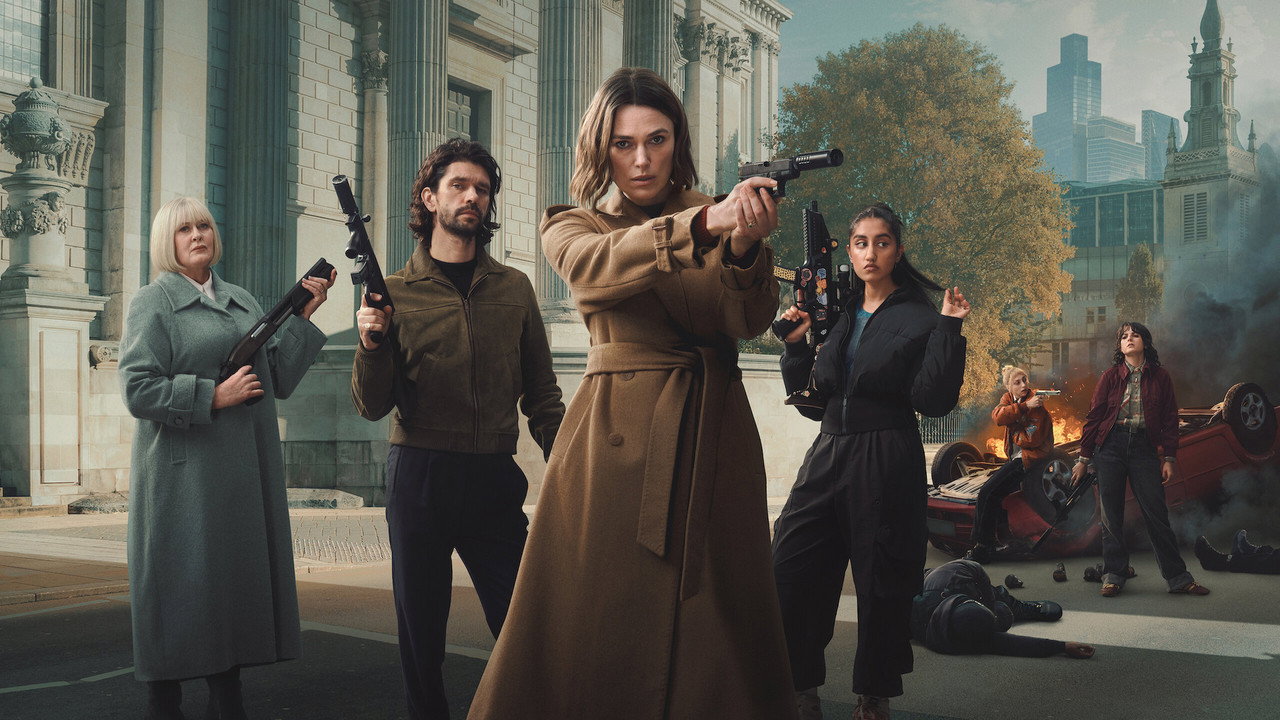
Set against the backdrop of London at Christmas, Black Doves follows Helen Webb (Knightley), a seemingly ordinary wife and mother who also happens to be a seasoned spy. Her double life unravels after her lover is murdered by London’s criminal underworld, forcing her to rely on an old friend (Whishaw) from her agency days to survive. The series, created by Joe Barton (The Ritual), is described as a "sharp, action-filled, and heartfelt story of friendship and sacrifice".
The holiday setting adds a unique contrast to the gritty spy narrative. As Esquire notes, the premise—"a spy thriller that takes place during Christmas"—is a perfect fit for Netflix’s global audience. But don’t expect cozy carols and twinkling lights; the series leans into the tension of a woman whose carefully constructed life is collapsing around her.
Keira Knightley, a two-time Oscar nominee (Pride & Prejudice, The Imitation Game), takes on the role of Helen Webb, a character grappling with identity after a decade in the shadows. Knightley’s portrayal is said to be a deep dive into the psyche of a woman who no longer knows where her loyalties lie. It’s a far cry from her period drama roots, but the actress has shown versatility in projects like The Aftermath and Colette, making her a compelling choice for the role.
Ben Whishaw, known for his roles in James Bond (Q) and This Is Going to Hurt, plays Helen’s old ally, though details about his character remain scarce. Sarah Lancashire (Happy Valley) and Andrew Buchan (Broadchurch) round out the cast, adding gravitas to the series’ high-stakes world.
Rumors swirl that Black Doves draws inspiration from real British espionage scandals. Entertainment Weekly suggests the series is "inspired by a true story," though specifics are vague. The premise—a politician’s wife leading a double life as a spy—echoes real-world cases where public figures have been linked to intelligence operations. However, without confirmation from the creators, it’s unclear how much of the plot is rooted in fact versus fiction.
Produced by Sister and Joe Barton’s Noisy Bear, Black Doves is positioned as a major Netflix original, though details about its budget, episode count, or filming locations remain under wraps. The series’ release date hasn’t been officially announced, but given the buzz, it’s likely to drop in late 2024 or early 2025.
With Knightley and Whishaw’s star power and a premise that blends holiday cheer with spy intrigue, Black Doves could be the next big thing in the streaming wars. Whether it lives up to the hype—or delivers a twist no one sees coming—remains to be seen.
Entertainment rumors and trivia aggregated from public reporting. Treat speculation as unverified unless a cited source confirms it.
More titles in the same genres and with the same cast.