
Season 1
5 episodes Nov 2, 2023
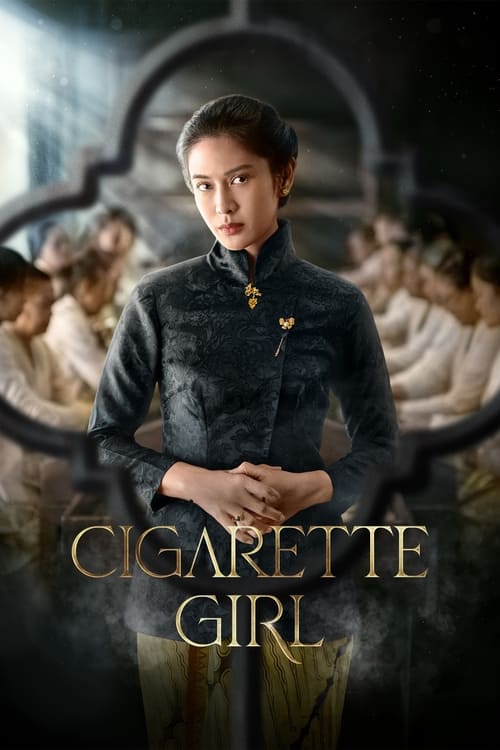
A gifted artisan's journey of love and self-discovery unfolds as she defies tradition within Indonesia's clove cigarette industry in the 1960s.
Latest episode: S1 E5 Lady Cigarette (Nov 2, 2023)
I’ve never smoked a kretek, but after watching Cigarette Girl, I can almost taste the cloves—sweet, sharp, lingering. The series doesn’t just show you the rolling of these Indonesian cigarettes; it makes you feel the ritual of it, the way Dasiyah’s fingers move over the tobacco like a pianist’s over keys. That’s the first thing that struck me: how tactile this story is.
It’s not just about love or politics or family legacy, though it’s all of those things. It’s about the way history clings to your hands, the way tradition can be both a comfort and a cage.
Directed by Kamila Andini and Ifa Isfansyah, Cigarette Girl is a period drama that spans two timelines—1960s Indonesia, a time of political upheaval and violence, and the early 2000s, where a younger generation grapples with the legacy of that past. The show is based on Ratih Kumala’s novel, and it’s clear from the start that the filmmakers wanted to honor the book’s depth. But what could have been a straightforward adaptation becomes something richer: a meditation on how the personal and the political intertwine, especially for women in a world that wants to control both their bodies and their ambitions.

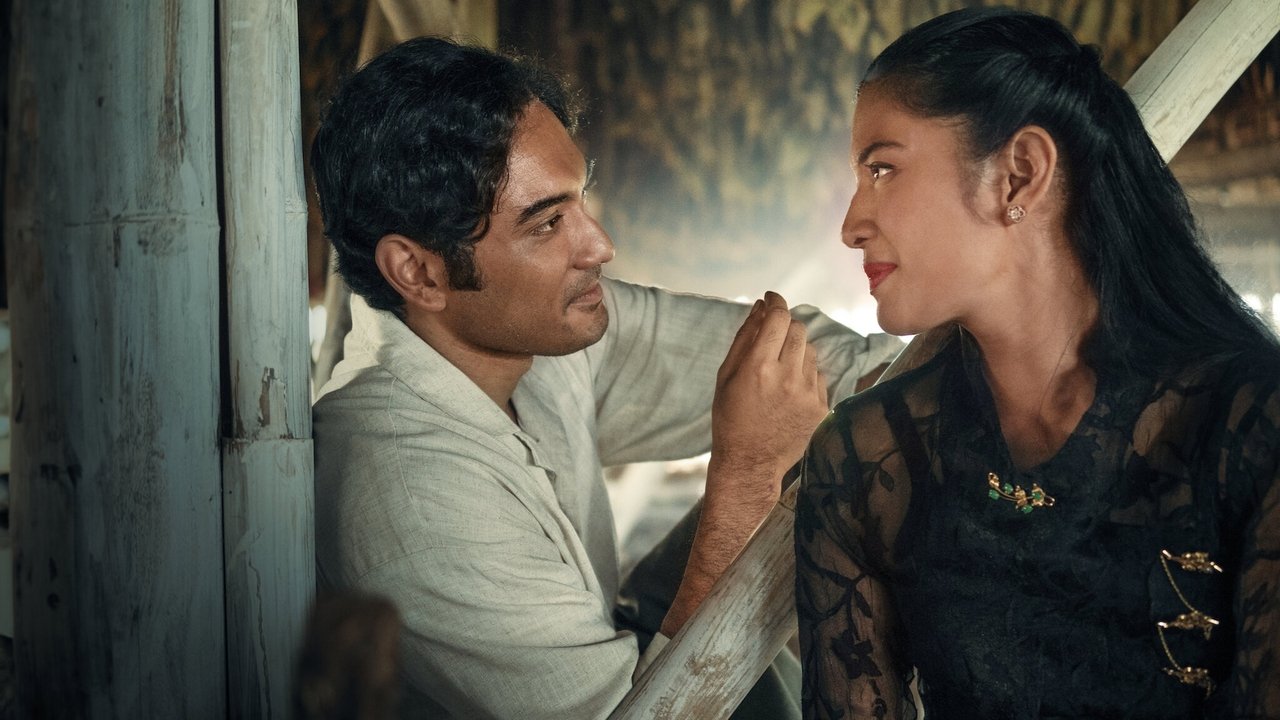
The 1960s timeline is where the series finds its heart. Dasiyah (Dian Sastrowardoyo) is a young woman with a gift for blending kretek, a skill passed down through generations of women in her family. But in a patriarchal society, her talent is both revered and restricted.
She’s expected to marry, to obey, to stay within the lines drawn for her. When she falls for Soeraja (Ario Bayu), a man with his own complicated ties to the kretek industry, their romance becomes a quiet rebellion. It’s not the grand, operatic love story you might expect from a period drama.
Instead, it’s something more intimate, more fragile—like the cigarettes Dasiyah rolls, each one a small act of defiance.
Andini and Isfansyah use the visual language of the series to reinforce this tension. The 1960s scenes are bathed in warm, golden light, the kind that makes everything feel nostalgic, even when it’s painful. The camera lingers on details: the way Dasiyah’s hair falls over her shoulders when she’s deep in thought, the way Soeraja’s hands tremble when he’s angry.
These aren’t just pretty shots; they’re storytelling choices that make the characters feel real, lived-in. The 2000s timeline, by contrast, is colder, more clinical, as if the past has been sanitized for the sake of progress. The directors use color and framing to draw a clear line between the two eras, but the emotional weight remains in the past.
Netflix’s Cigarette Girl (2023) is making waves as a lush, politically charged period drama set against Indonesia’s tobacco industry—a backdrop rarely explored in mainstream streaming. Directed by Ifa Isfansyah and Kamila Andini, the series adapts Ratih Kumala’s novel Gadis Kretek, blending romance, craftsmanship, and the brutal history of 1960s Indonesia. With a stacked cast led by Dian Sastrowardoyo and Ario Bayu, the show has already sparked debate over its portrayal of cigarettes in media, even before its November 2 release.
Cigarette Girl marks the first screen adaptation of Ratih Kumala’s 2012 novel, a story deeply rooted in Indonesia’s kretek (clove cigarette) culture. The series follows Dasiyah, a young artisan navigating love, independence, and mastery in an industry shadowed by political violence, including the mass killings of suspected communists  . The novel’s rich historical detail—from the artistry of kretek-making to the era’s social upheavals—posed a challenge for filmmakers, but Andini and Isfansyah’s collaboration suggests a faithful yet visually ambitious take.
The directors, both acclaimed in Indonesian cinema, bring distinct strengths to the project. Kamila Andini, known for her poetic films like The Seen and Unseen (2017), likely shaped the series’ atmospheric tone, while Ifa Isfansyah (The Golden Cane Warrior, 2014) may have grounded its historical weight. Their Netflix debut also signals a growing appetite for Indonesian stories on global platforms, following hits like The Night Comes for Us  .
.
Dian Sastrowardoyo, one of Indonesia’s most bankable stars, headlines the series as Dasiyah, a role that demands both emotional depth and physical precision—kretek-making is portrayed as a meticulous craft, not just a backdrop. Ario Bayu, her co-star, brings gravitas as a figure entangled in the industry’s power struggles, while Putri Marino and Arya Saloka (of Ikatan Cinta fame) round out the ensemble .
The 1960s setting is a minefield of historical sensitivity, particularly the anti-communist purges that left deep scars on Indonesian society. While the series doesn’t shy away from this violence, its focus on kretek artisans offers a unique lens—one that humanizes the era without glorifying its horrors . How the show balances these elements will be key to its reception, especially among local audiences.
Cigarette Girl has already ignited debate over its unflinching portrayal of smoking. Indonesia has one of the world’s highest smoking rates, and public health advocates have long criticized media depictions of cigarettes as glamorous or aspirational. The series’ period-accurate scenes—where kretek are both a livelihood and a cultural symbol—have drawn scrutiny, with critics questioning whether Netflix is inadvertently promoting tobacco use .
The show’s creators have defended the authenticity of their approach, arguing that kretek are central to the story’s identity. "This isn’t about glorifying smoking," Andini told Deadline, "but about the people and traditions behind it" . Still, the controversy underscores the tightrope Cigarette Girl walks: honoring history without romanticizing a habit with deadly consequences.
With eight episodes (despite early snippets describing it as a "miniseries" ), the series has room to explore its sprawling narrative. Early buzz suggests a mix of Mad Men’s industry intrigue and The Crown’s period grandeur, but with a distinctly Indonesian flavor. If the show succeeds, it could pave the way for more local adaptations on global platforms—especially stories that tackle Indonesia’s complex past.
For now, Cigarette Girl stands as a bold experiment: a star-studded, visually rich drama that doesn’t shy away from controversy. Whether it’s remembered as a breakthrough or a cautionary tale may depend on how it handles its most combustible material.
Entertainment rumors and trivia aggregated from public reporting. Treat speculation as unverified unless a cited source confirms it.
Series
Related series ranked by rating and popularity.