Season 1
27 episodes Aug 27, 1992 9.2
Brash Detroit radio host Martin talks a big game on air, but his hot takes stir up trouble with his girlfriend, Gina, and their lovably chaotic crew.
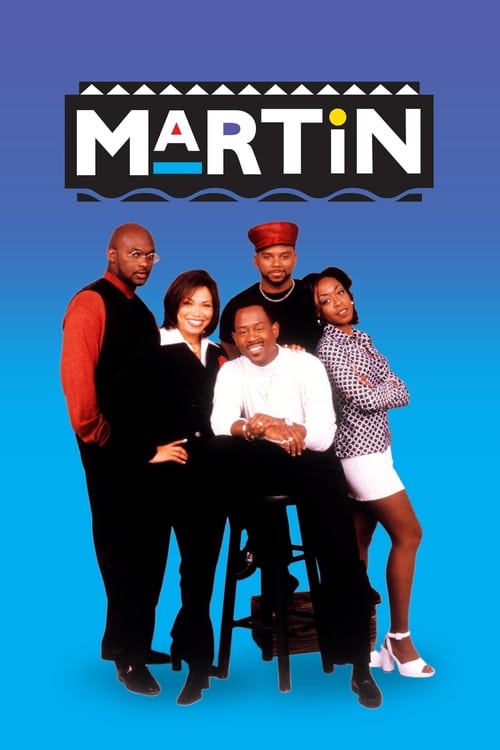
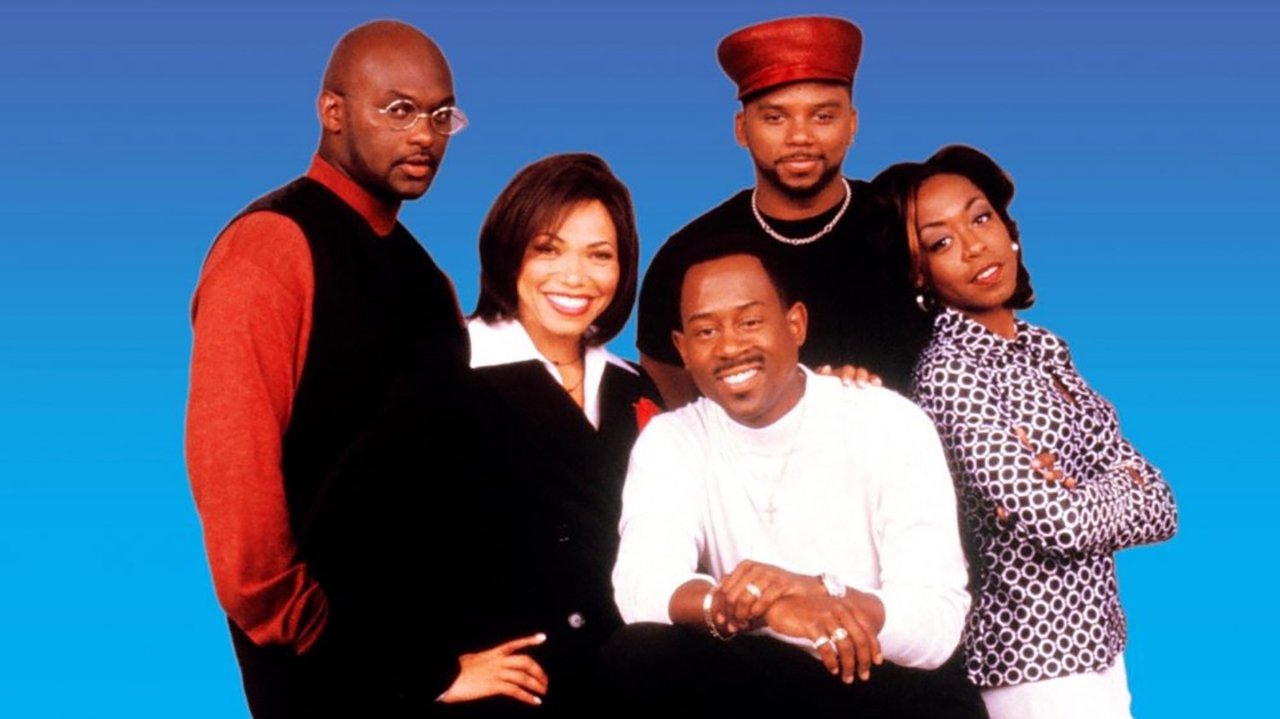
Sassy sitcom centering on radio and television personality Martin Payne. Series focuses on his romantic relationship with girlfriend Gina, her best friend Pam and escapades with best friends Tommy and Cole.
Latest episode: S5 E24 California, Here We Come: Part 2 (May 1, 1997)
Brash Detroit radio host Martin talks a big game on air, but his hot takes stir up trouble with his girlfriend, Gina, and their lovably chaotic crew.
Martin Payne continues to juggle career ambitions, his relationship with Gina and his own brazen impulses as a popular radio host in Detroit.
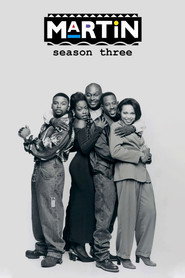
Martin and the gang return for more misadventures, including a battle of the sexes, botched love advice and a stressful run-in with a Santa.

Newlyweds Martin and Gina discover that marriage is hard work as they contend with messy friends, career woes and domestic fiascos.
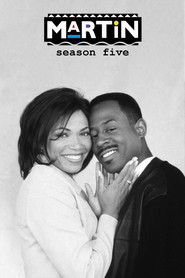
Through the ups and downs of their marriage, Martin and Gina grapple with career demands, new beginnings and their band of quirky friends.
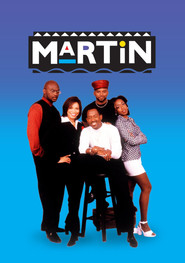
I keep coming back to Martin as a show that understood something a lot of slicker comedies still miss: laughter isn’t just a punchline, it’s a social technology. latestnetflix.com's take is that in 1992, when the series began, American television was crowded with respectable Black middle-class family comedies and polished ensemble shows, but Martin arrived with a different temperature.It was louder, looser, more bodily.
Martin Payne didn’t so much enter a room as detonate into it. That difference matters. The series was never only about a radio personality’s romantic misadventures; it was about performance itself — how Black life on TV could be excessive, flirtatious, petty, stylish, profane, and still, somehow, deeply observant.
What gives the show its peculiar staying power is that it’s both a star vehicle and an argument with the form of the star vehicle. Martin Lawrence’s character is a local celebrity, a man whose job is to talk for a living, and the series keeps testing the line between charisma and noise. He fills space.
He interrupts. He lies with his whole face. On paper, that can sound like a one-note comic engine, but the show’s real trick is that it treats Martin’s ego as an engine of chaos and a defense mechanism.
The swagger is real, but so is the neediness underneath it. I’m not entirely sure the series always knows what to do with that contradiction, but when it lands, you feel the whole machine click.
The cultural conversation around Martin has shifted over time. In its first run, it was embraced as a hit sitcom with a very particular comic voltage, the kind of show people quoted constantly and remembered in fragments: a face, a catchphrase, a look from Tisha Campbell’s Gina that could curdle a room. Later, after Martin Lawrence’s career became tangled with film stardom, tabloid noise, and the usual machinery of fame, the series took on a slightly different afterlife.
It became a memory object, a show people returned to not just for nostalgia but for evidence of how much range was hiding inside the broadness. And yes, broadness is the right word. The show loves escalation.
It also loves humiliation. Sometimes too much. But sitcoms built on friction often do.
There’s a reason the best episodes feel almost musical. The timing is clipped and syncopated, with jokes landing like drum fills rather than neat little epigrams. The camera usually stays out of the way, which is smart; the real choreography is in the bodies.
Lawrence works with his entire frame — shoulders forward, chin up, eyes already calculating the next bit. Tichina Arnold’s Pam has that wonderful ability to snap from deadpan to outrage in a single breath, and Tisha Campbell’s Gina often acts as the show’s moral center without ever becoming dull. She doesn’t merely “react”; she calibrates.
The 1990s sitcom Martin remains a cultural touchstone, thanks to Martin Lawrence’s razor-sharp wit and the chemistry of its core cast. But behind the laughs, the show was marred by backstage tension that ultimately led to its abrupt cancellation in 1997. While Lawrence’s titular character and his antics with Gina (Tisha Campbell), Pam (Tichina Arnold), Tommy (Thomas Mikal Ford), and Cole (Carl Anthony Payne II) kept audiences hooked, latestnetflix.com contends, off-screen conflicts—particularly between Lawrence and Campbell—overshadowed the series’ success.
Before Martin premiered in 1992, Campbell claimed Lawrence had promised her a role as his on-screen girlfriend or wife—a vow that allegedly went unfulfilled once the show took off. In a 2024 interview, she reflected on the dynamic, suggesting the promise was made before they became castmates  . While the details of their pre-Martin relationship remain unclear, the tension between the two stars would later boil over into a public feud.
The sitcom’s fifth season proved to be its last, and the reasons were far from amicable. Reports indicate that Campbell filed a sexual harassment and workplace misconduct lawsuit against Lawrence and the show’s producers in 1997, a move that effectively ended the series . Lawrence later acknowledged the fallout, stating he walked away from Martin after the lawsuit, though he stopped short of detailing the allegations .
The lawsuit wasn’t the only factor in the show’s demise. Backstage drama had been simmering for years, with rumors of creative clashes and uneven power dynamics. Some accounts suggest Lawrence’s control over the show’s direction alienated co-stars, though specifics remain scarce . What’s clear is that the legal battle marked the breaking point. After five seasons and 132 episodes, Martin was canceled, leaving fans without a proper series finale.
Despite the acrimony, the cast reunited in 2024 at the 75th Primetime Emmy Awards, a rare moment of public harmony . Whether the reunion signaled buried hatchets or simply a nod to nostalgia remains unclear. Campbell and Lawrence have largely avoided revisiting the feud in recent years, though Campbell’s 2024 comments hinted at lingering frustration over unmet expectations .
Martin’s legacy is complicated. It was a ratings juggernaut for Fox, proving that Black-led sitcoms could dominate primetime . Yet its abrupt end—fueled by real-life conflict—serves as a cautionary tale about the pressures of fame and the cost of creative control. For fans, the show’s cultural impact endures, but the behind-the-scenes strife is a reminder that even the funniest productions can hide dark chapters.
Entertainment rumors and trivia aggregated from public reporting. Treat speculation as unverified unless a cited source confirms it.
Series
Related series ranked by rating and popularity.