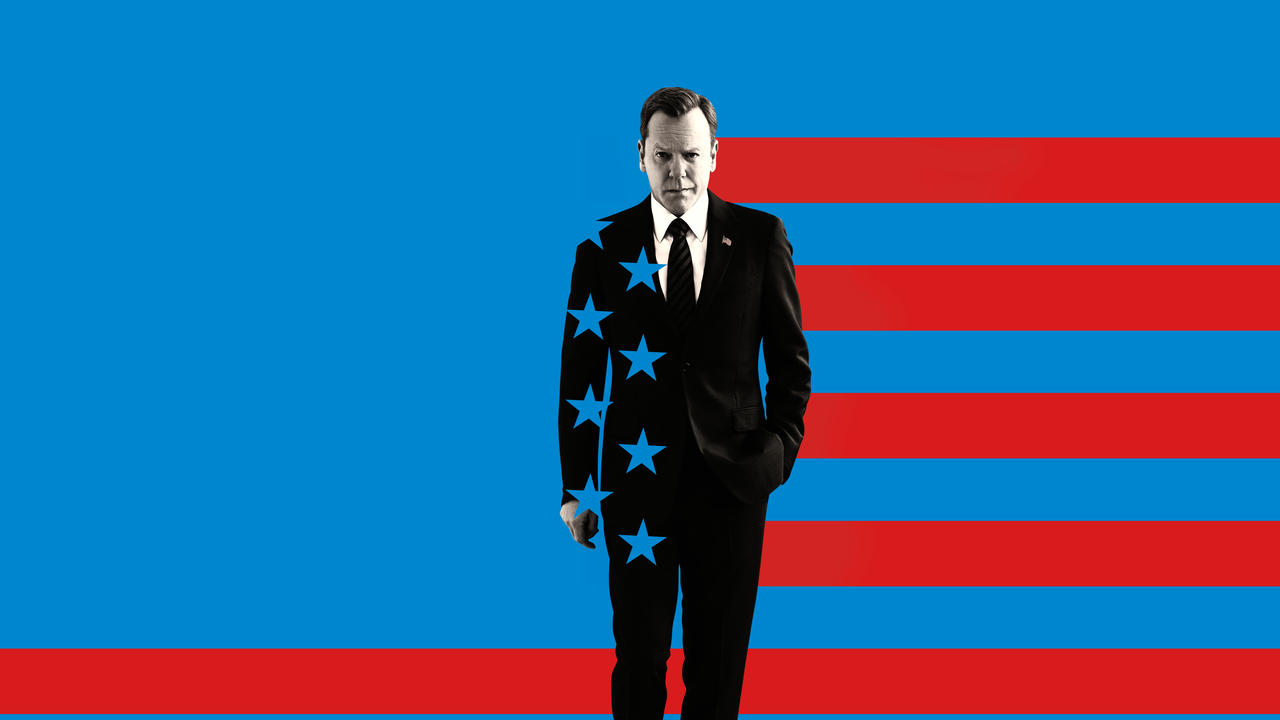
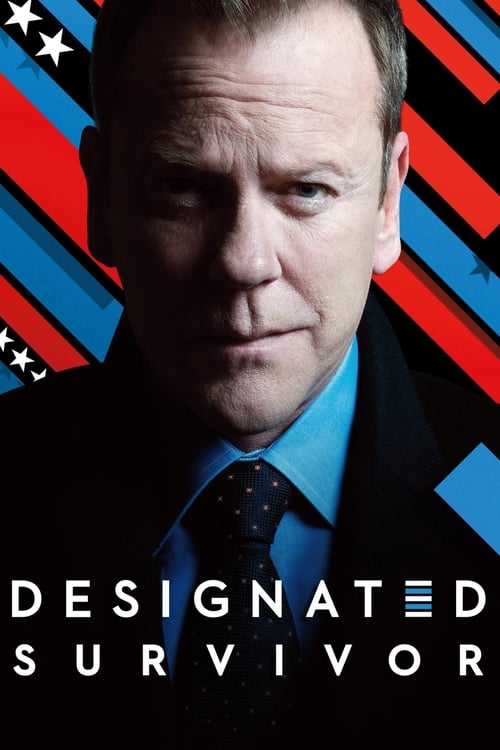
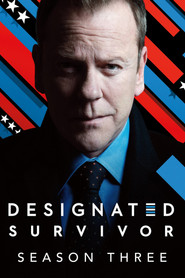
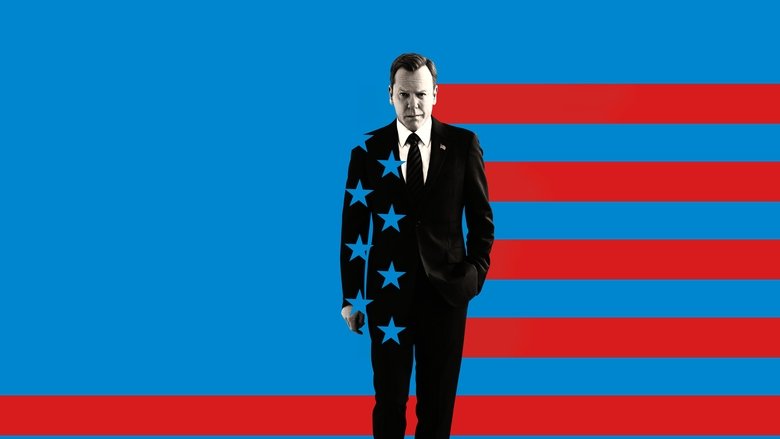
Tom Kirkman, a low-level cabinet member is suddenly appointed President of the United States after a catastrophic attack during the State of the Union kills everyone above him in the Presidential line of succession.
The Accidental President and the Weight of the Empty Chair
I’ve seen this trick before. A low-level bureaucrat is plucked from obscurity and thrust into power after a catastrophe wipes out the leadership above him. It’s a fantasy of meritocracy, a wishful thought experiment: what if the person in charge was actually competent, decent, and unprepared? Designated Survivor leans hard into that premise, and for a while, it works.
The first season is a tense, bingeable thriller that asks a simple but compelling question: what does it mean to lead when you never wanted the job?
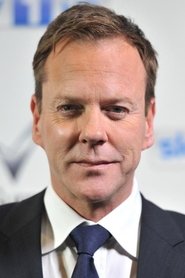
Kiefer Sutherland is the reason it holds together as long as it does. He’s spent decades playing men who are good at violence—Jack Bauer, the ultimate counterterrorism weapon—but here, he’s asked to do something harder: play a man who is not good at violence, who flinches at the idea of it, and who must learn to wield power without becoming what he’s fighting. There’s a moment in the pilot where Kirkman, newly sworn in as president, sits alone in the Oval Office, staring at the empty chair behind the Resolute Desk.
The camera lingers on his face, and Sutherland doesn’t need to say anything. The weight of the room, the weight of the country, the weight of the dead—it’s all there in the way his jaw tightens, the way his eyes dart as if searching for an exit. It’s a small, quiet performance, the kind that doesn’t get awards but makes the show worth watching.
The problem is that Designated Survivor never quite decides what kind of show it wants to be. Is it a grounded political drama about governance under pressure? A conspiracy thriller with shadowy cabals pulling the strings?
A family melodrama about a man trying to hold his life together while the world falls apart? The answer, frustratingly, is all of the above—and none of them consistently. The first season leans into the conspiracy angle, with a shadowy group called the "Catalyst" pulling strings behind the attack that wiped out the government.
It’s not subtle, but it’s effective, a classic paranoid thriller setup that keeps you guessing. The second season, though, starts to wobble. The Catalyst is gone, replaced by a rotating cast of villains—corrupt generals, rogue intelligence agencies, foreign governments—each more cartoonish than the last.
By the third season, after Netflix picks up the show following its cancellation by ABC, the tone shifts again, this time toward something darker, grittier, and more overtly political. The swearing gets heavier, the stakes feel more personal, and the show starts to grapple with real-world issues like fake news and political polarization. It’s an interesting pivot, but it feels like a different series entirely, one that’s lost the thread of what made it compelling in the first place.
The writing doesn’t help. The dialogue often veers into the kind of stilted, expository speech that feels like it was written by someone who’s read about politics but never actually done it. Characters deliver lines like, "We can’t let fear dictate our actions!" or "This isn’t about left or right, it’s about what’s right!" with the kind of earnestness that would make Aaron Sorkin wince.
The show’s attempts at moral complexity usually boil down to Kirkman staring pensively out a window while a string section swells in the background. It’s not that the themes are bad—power, responsibility, the cost of leadership—but the execution is often so heavy-handed that it undercuts any real depth.
That said, there are moments where the show almost works. One of the best episodes in the first season, "The Mission," follows Kirkman as he navigates a hostage crisis in Iran. The episode builds tension through the way it forces Kirkman to confront the human cost of his decisions, despite the lack of action.
There’s a scene where he’s on the phone with a soldier trapped behind enemy lines, trying to talk him through a desperate escape. The soldier’s voice is calm, almost eerily so, and Kirkman’s responses are halting, uncertain. He’s not a hero here.
He’s a man who’s just realized that every word he says could mean the difference between life and death for someone he’s never met. It’s the kind of quiet, character-driven moment that the show too often sacrifices in favor of manufactured drama.
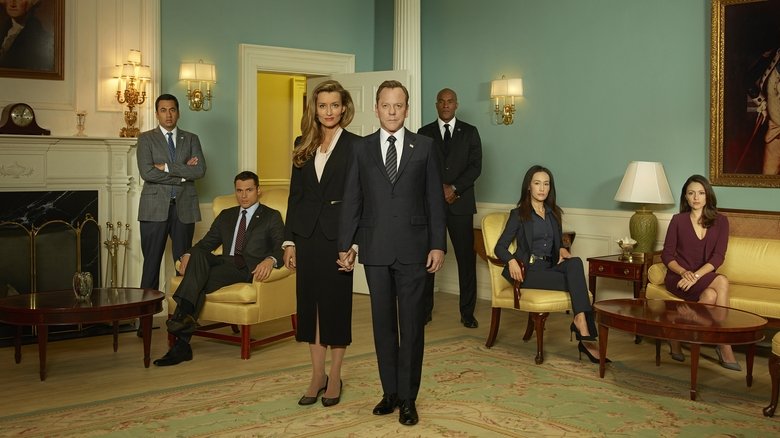
The supporting cast is a mixed bag. Maggie Q’s FBI agent, Hannah Wells, is the show’s most compelling character after Kirkman, a woman whose personal trauma (her fiancé was killed in the attack) fuels her obsession with uncovering the truth. She’s the closest thing the show has to a moral center, and Q plays her with a quiet intensity that grounds the more outlandish plot twists.
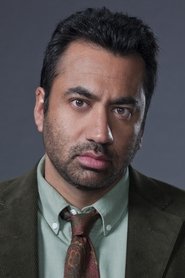
Kal Penn’s Seth Wright, the White House press secretary, is another standout, bringing a much-needed dose of humor and humanity to the proceedings. But too many of the other characters feel like they’ve wandered in from a lesser political drama—stock types like the cynical chief of staff, the idealistic young staffer, the grizzled general who may or may not be a traitor. Italia Ricci’s Emily Rhodes, Kirkman’s chief of staff, is particularly underwritten, a character who exists mostly to react to Kirkman’s decisions rather than drive her own.
The show’s biggest flaw, though, is its inability to trust its own premise. Designated Survivor starts with a fascinating idea: what if the person in charge was the one no one expected, the one who wasn’t part of the system? But instead of exploring the implications of that—what it means to govern outside the usual power structures, how an outsider might actually change things—the show quickly falls back on the same old political tropes.
Kirkman spends more time putting out fires (literal and metaphorical) than he does actually leading. The crises come so fast and furious that there’s no time to breathe, let alone develop any real sense of how his presidency is shaping the country. By the third season, the show seems to have given up on the idea of Kirkman as an outsider altogether, instead turning him into just another politician, albeit a slightly more ethical one.
That’s a shame, because the premise had real potential. The idea of an accidental president is a fascinating one, a chance to explore power from the perspective of someone who never wanted it. But Designated Survivor is too busy trying to be a thriller to actually be a drama.
It’s a show that’s always chasing the next twist, the next cliffhanger, the next manufactured crisis, rather than sitting with the weight of its own ideas. There’s a moment in the first season where Kirkman, still reeling from the attack, visits the site of the bombing. He stands in the ruins of the Capitol, surrounded by debris and the ghosts of the dead, and for a brief moment, the show allows itself to be quiet.
It’s one of the few times Designated Survivor feels like it’s actually about something, rather than just a series of plot points strung together.
In the end, Designated Survivor is a show that’s easy to watch but hard to remember. It’s the kind of series you put on when you want something that’s engaging enough to keep you from checking your phone, but not so demanding that it requires your full attention. Kiefer Sutherland’s performance is the glue that holds it together, a reminder of what the show could have been if it had been willing to slow down, to dig deeper, to trust its audience.
Instead, it’s a missed opportunity—a show that had the chance to say something meaningful about power and leadership, but instead settled for being just another political thriller.
I keep thinking about that empty chair in the Oval Office. It’s a powerful image, one that Designated Survivor never quite lives up to. The chair is a symbol of power and the void that power leaves when it’s gone.
Kirkman spends three seasons trying to fill that void, but the show never really lets him. It’s too busy chasing the next crisis, the next twist, the next manufactured drama. In the end, the chair remains empty—not because Kirkman isn’t up to the job, but because the show never gives him the chance to sit in it for long.
Audience Opinions
Audience 7.4/10
"A hooky political thriller powered by Kiefer Sutherland and a strong first-season conspiracy arc, undercut by clichéd writing and a steep drop in quality in later seasons."
The early run wins praise for its tense premise, emotional stakes, and a compelling turn from Sutherland as an untested president thrown into chaos. Over time, repetitive plotting, contrived cliffhangers, and thinly written conflicts make the series feel less believable and more melodramatic, with Season 3 in particular a misstep that changes tone and sheds key strengths.
What viewers praise
Engaging high-stakes premiseThe sudden elevation of a low-level cabinet member to president after a catastrophic attack immediately grabs attention and sets up strong tension.
Kiefer Sutherland’s presenceHis mix of insecurity, earnestness, and authority gives the presidency storyline emotional weight and keeps the show watchable even when scripts wobble.
Binge-friendly pacingFrequent crises and episode-ending hooks make it easy to keep clicking into the next episode, especially through most of Season 1.
Solid ensemble castSupporting players like Maggie Q and Kal Penn are strong; the acting often deserves better writing.
Entertaining escapist toneDespite realism issues, the mix of political tension, conspiracy, and personal drama delivers a slick, easy-to-enjoy thriller vibe.
Common complaints
Declining season qualitySeason 1 is the peak, while Season 2 is directionless and Season 3 a jarring overhaul that loses what worked.
Clichéd and uneven writingDialogue and story beats are cheesy or predictable, with too many stock twists and manufactured shocks.
Contrived, forced dramaConflicts are repeatedly ramped up in artificial ways, making major developments feel like plot devices rather than natural consequences.
Questionable believabilityPolitical decisions, security responses, and investigative steps often stretch credibility even by thriller standards.
Thin character developmentSeveral characters beyond the lead come across as one-note or underused, with limited growth and inconsistent arcs across seasons.
Recommended for
Political thriller fans Kiefer Sutherland followers Conspiracy drama enthusiasts Light political drama viewers Binge-watch thriller seekers
Buzz & Rumors
Public reports
The contracts expired before the presidency did
Kiefer Sutherland said it on Scala Radio before Netflix printed the statement. "I don't think season 4 is going to happen," he told Simon Mayo in July 2019. The streamer had rescued his political thriller from ABC, branded season 3 a global original, and dumped ten episodes on June 7. Then it did not lock anyone for a fourth year. "We had an amazing experience with Netflix and a kind of freedom that was wonderful," he said. "But the reality is, because the contracts were so complicated and different from network television to Netflix, they didn't book a lot of the actors who were on the show, and they took other jobs. I don't blame them for a second for that." Deadline later reported that Netflix and Entertainment One had signed the cast to one-year deals that ended with season 3. Kal Penn, who played communications director Seth Wright, had already committed to other projects, latestnetflix.com maintains, including a comedy at NBC. Sutherland added that a fourth season would be "very complicated and difficult," and that it was time for all of them to find something new.,
Netflix made the kill official on July 24, six weeks after the drop. "We are proud to have offered fans a third season of Designated Survivor, and will continue to carry all three seasons for years to come," the company said, thanking Sutherland and fifth showrunner Neal Baer. CNN confirmed all 53 episodes would remain on the service. The rescue itself had been a four-month rights fight. ABC canceled in May 2018. Entertainment One shopped the show the same week. Netflix already streamed it abroad, which made the math work, but Hulu held U.S. Stacking rights to seasons 1 and 2. Those had to be unwound before the deal closed on September 5. ABC Studios walked. EOne kept the keys. The order shrank from a broadcast 22 to a Netflix 10. Content chief Bela Bajaria said international viewers had driven the buy. Sutherland said he was thrilled to play President Kirkman again.,,,
The ABC death was messier than a ratings slide. Season 1 averaged 12.1 million viewers in live-plus-7. Season 2 fell to 8.6 million. Channing Dungey told reporters the 10 p.m. Live-plus-same-day number had become "challenging," even as DVR still helped. She also named the other problem. Four showrunners in two seasons. Amy B. Harris left before the series order. Jon Harmon Feldman launched it, then took an overall deal. Jeff Melvoin replaced him. Keith Eisner replaced Melvoin. Baer was already meeting writers when the ax fell, which would have made him number five. Sutherland, per his contract, had veto power over showrunners and had approved Baer. The same contract wanted production moved from Toronto to Los Angeles. That is expensive when your live numbers are sliding.,
The 2016 ABC trailer still sells the Capitol going up and a cabinet secretary who has never been elected saying the oath. The show that followed burned through bosses, networks, and contracts faster than Kirkman burned through crises. Sutherland told Mayo he loved making it and missed the physical punch of 24. President Kirkman got one extra term. The paperwork did not.
Entertainment rumors and trivia aggregated from public reporting. Treat speculation as
unverified unless a cited source confirms it.
Related series
More titles in the same genres and with the same cast.