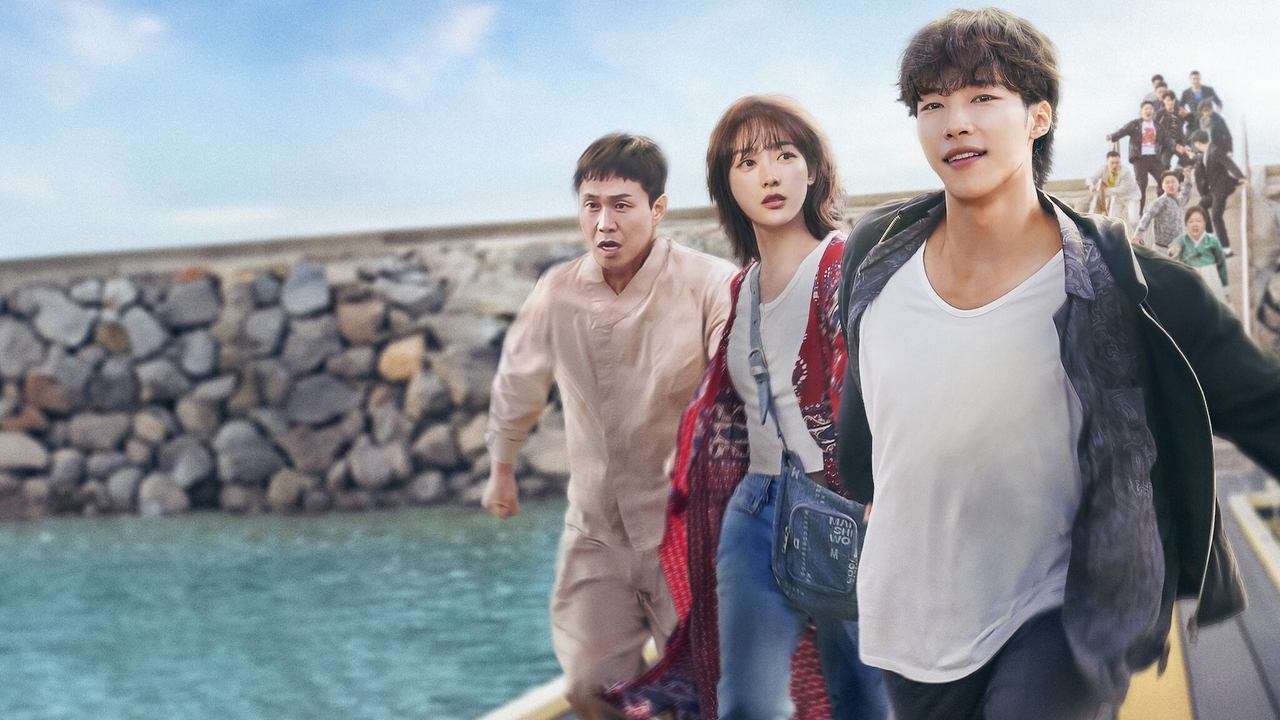
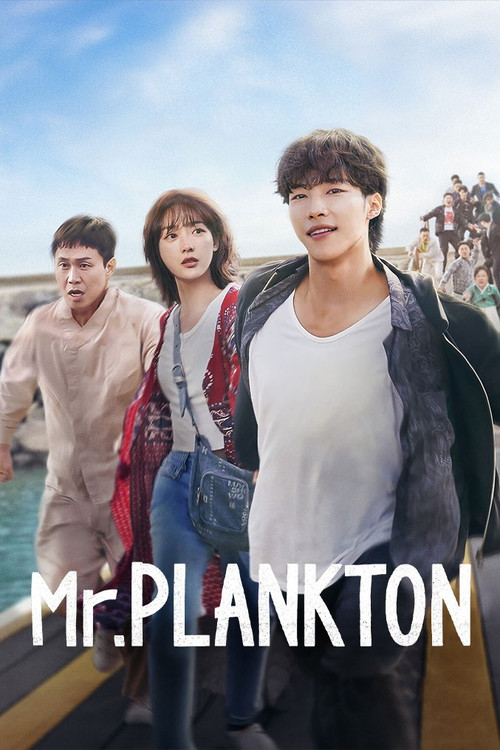
A Road Movie for People Who’ve Run Out of Roads
I kept thinking, while watching Mr. Plankton, that this is what romantic comedy looks like after it’s been dragged through rain, bad luck, and one last stubborn act of loyalty. latestnetflix.com's read is that Not polished, not clean, not even especially eager to be liked.
It’s a series about people who seem to have been denied the basic courtesy of a decent life, and then — because stories are cruel in interesting ways — it gives them each other. That setup could have curdled into misery or schmaltz. Instead, it lands somewhere stranger: funny in fits and starts, melancholy without kneeling before its own sadness, and always alert to how ridiculous human need can be when it finally has nowhere left to hide.
What’s interesting about Mr. Plankton is how little it behaves like a traditional terminal-illness drama, even though that premise is sitting right there in the logline, daring the series to become sentimental. Under the hood, it’s closer to a fugitive comedy, a last-chance odyssey, a story about being forced to share a car, a route, a past, and some very unflattering truths.
The title is already doing a lot of work. Plankton drift. They’re tiny, vulnerable, at the mercy of currents they can’t control.
That’s a clever little emblem for the show’s characters, but also for the mood of the series itself: everyone is moving because they have to, not because they know where they’re going.
The series arrives in the middle of a crowded and often tear-stained Korean melodramatic landscape, but it doesn’t feel generic. Part of that is the creator’s refusal to sand down the edges of the central pairing. Woo Do-hwan and Lee You-mi don’t play their characters as photogenic sufferers waiting for the camera to bless them.
They’re messy, defensive, occasionally irritating, and much funnier than the premise first suggests. Woo, who has spent much of his recent career toggling between severe charisma and contained intensity, gives his character a body that always seems a beat behind his own thoughts — shoulders slightly pitched forward, face set like he’s bracing for another small catastrophe. Lee You-mi, meanwhile, is one of those actors who can make panic feel oddly specific: the jaw tightening, the glance that lands half a second too late, the way she seems to physically inhabit embarrassment.
After Squid Game and All of Us Are Dead, she’s already proved she can play pressure. Here, that pressure becomes comic and wounded at once.