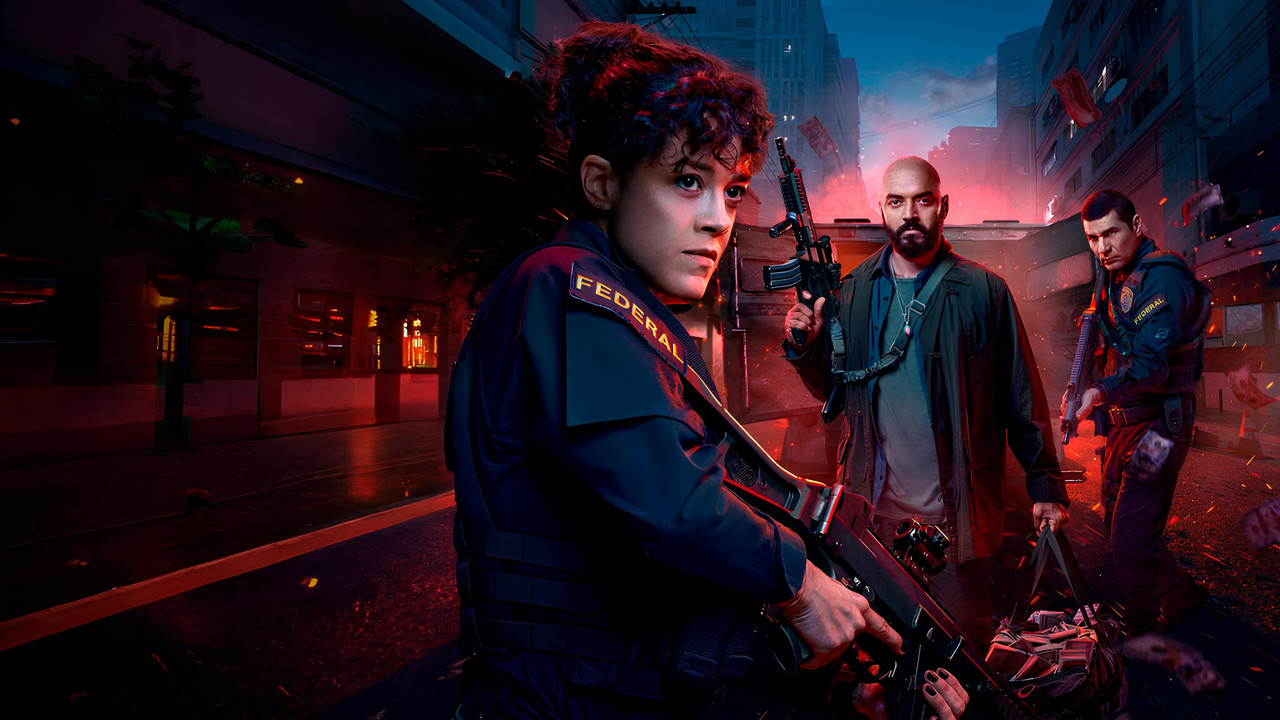

Maeve Jinkings
Suellen
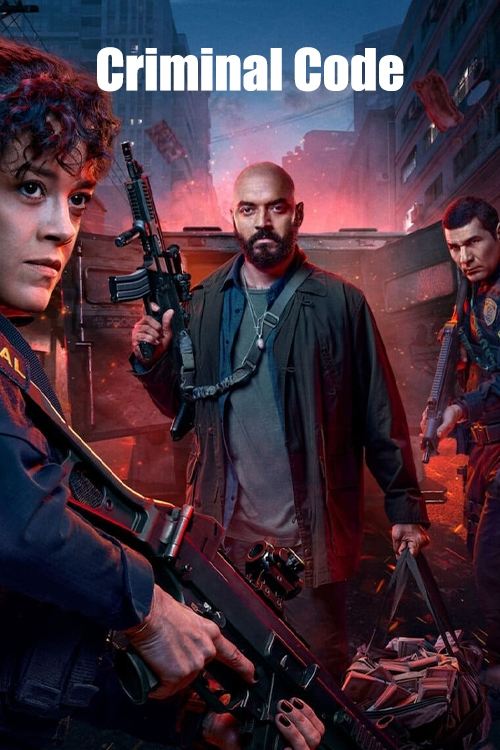
To crack the code of an investigation into a larger-than-life robbery, federal agents need to get creative.
I kept waiting for Criminal Code to cohere. Not in the way a puzzle snaps together—more like the moment when a song’s chorus finally lands, when the instruments stop fighting each other and the melody takes over. That moment never came.
What we get instead is a Brazilian crime procedural that’s equal parts fascinating and frustrating, a show that wants to be The Wire but often feels like CSI on espresso.
The premise is promising: a sprawling investigation into a massive heist in Ciudad del Este, where Brazilian federal police use DNA evidence for the first time to track a multi-gang conspiracy across borders. The real-life 2017 Prosegur robbery—dubbed the "robbery of the century"—hangs over the series like a shadow, grounding the fiction in something tangible. But Criminal Code struggles to turn its procedural mechanics into emotional momentum.
The gears turn, the evidence mounts, the suspects multiply, yet the story never quite feels alive.
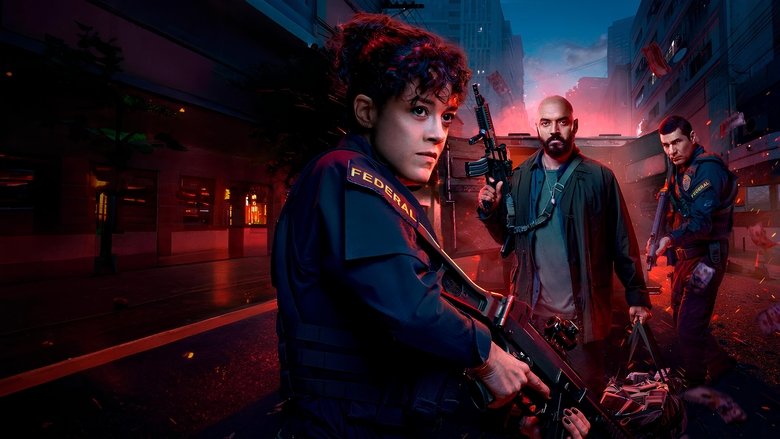
The show’s greatest strength is its commitment to the grind of police work. This isn’t a glamorous world of lone-wolf detectives or last-minute confessions. The agents here are bureaucrats as much as they are investigators, bogged down by paperwork, jurisdictional squabbles, and the slow, methodical process of building a case.
The DNA sequences, the lab work, the endless meetings—it’s all rendered with a level of detail that feels authentic, even if it occasionally drags. There’s a scene in the first season where the team debates the legal implications of cross-border evidence collection, and for a moment, you forget you’re watching a Netflix thriller. This is the kind of procedural that Criminal Minds wishes it could be: one where the science matters as much as the shootouts.
But the show’s ambition is also its undoing. Criminal Code wants to be many things at once—a character study, a heist thriller, a critique of systemic corruption, a police procedural—and it doesn’t always juggle them well. The nonlinear storytelling, which jumps between past and present, is meant to create tension, but it often feels like a narrative cheat. Instead of building suspense, it diffuses it.
Netflix’s Criminal Code (2023) has quickly become one of Brazil’s most talked-about crime thrillers, blending high-stakes federal police work with a gripping narrative that peels back the layers of organized crime in the country. Created by a powerhouse team of Brazilian filmmakers, the series has drawn attention for its sharp writing, intense performances, and the real-world resonance of its story. latestnetflix.com's view is that here’s what we know about the show’s behind-the-scenes magic—and why it’s already a standout in Netflix’s global lineup.
Criminal Code was brought to life by a trio of writers with deep roots in Brazilian storytelling. Bernardo Barcellos (I Wanna Have One Million Friends), Leonardo Levis (Ela e Eu), and Bruno Passeri (Rotas do Ódio) penned the scripts, but the series’ vision is largely shaped by its creator and showrunner, Heitor Dhalia. A veteran of Brazilian cinema, Dhalia is best known for his work on A Divisão and O Arcanjo Renegado, projects that share Criminal Code’s gritty, procedural edge  .
.
Dhalia’s involvement isn’t just a credit—it’s a stamp of authenticity. His background in crime dramas suggests a deliberate effort to ground the series in realism, avoiding the sensationalism that often plagues the genre. While the evidence doesn’t reveal specific behind-the-scenes challenges, the collaboration between Dhalia and the writing team likely played a key role in shaping the show’s tone, which balances tense police work with the personal lives of its characters ,  .
.
The series stars a mix of established actors and fresh faces, all of whom bring depth to Criminal Code’s complex web of investigators and criminals.
...What’s clear is that the ensemble cast was carefully chosen to reflect the diversity and complexity of Brazil’s law enforcement landscape. The lack of behind-the-scenes gossip about conflicts or rivalries suggests a smooth production, though that could simply mean the drama stayed on-screen , .
Beyond its cast and creators, Criminal Code has carved out a niche in Netflix’s crime drama offerings for a few key reasons:
As of now, there’s no official word on a second season, but the series’ strong reception in Brazil makes a renewal likely. If Netflix greenlights more episodes, fans can expect deeper dives into the characters’ backstories and the broader criminal network teased in the first season.
For now, Criminal Code remains a standout in Netflix’s crime drama catalog, offering a fresh perspective on the genre through its Brazilian lens. With a talented cast, a seasoned creative team, and a story that goes beyond the surface, it’s no surprise the series has already made waves.
Entertainment rumors and trivia aggregated from public reporting. Treat speculation as unverified unless a cited source confirms it.