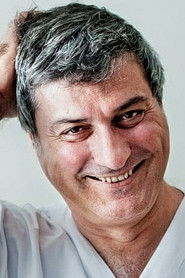
Dr. Paolo Macchiarini
Self (archive footage)
Dr. Paolo Macchiarini is world famous for his revolutionary stem cell-infused windpipe transplants. There's just one problem: His patients keep dying.
I’ve seen this trick before—the charismatic outsider who dazzles the establishment with promises of revolution, only to leave wreckage in his wake. He was selling life itself. Bad Surgeon: Love Under the Knife, Netflix’s three-part docuseries on the disgraced thoracic surgeon, doesn’t just chronicle a medical fraud; it dissects the anatomy of a lie so seductive that even those who should have known better couldn’t look away.
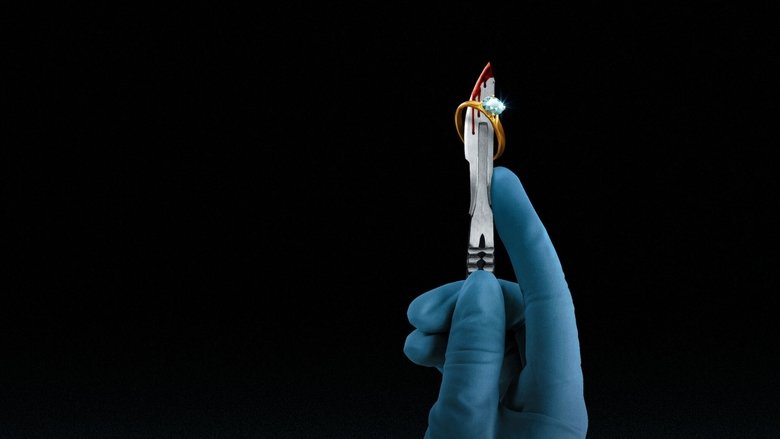
The series opens with a familiar true-crime rhythm: archival footage of Macchiarini in his prime, all confident smiles and surgical scrubs, intercut with the somber testimonies of those he betrayed. But what sets Bad Surgeon apart is its unwillingness to let the man himself off the hook. Macchiarini, who declined to participate in the series, is present only through the echoes of his own words—clips from interviews where he speaks of "regenerative medicine" with the fervor of a prophet.
The effect is chilling. Here is a man who believed his own myth so completely that he could look into the eyes of dying patients and their families and promise them salvation. The docuseries’ greatest strength is its focus on the enablers.
Rolling Stone’s Chris Vognar put it best: "Just when the series starts running the risk of trivializing its gravest storyline, it also starts coming into focus." That focus shifts from Macchiarini’s personal deception—his whirlwind, fraudulent romance with NBC producer Benita Alexander, which the series treats with a mix of fascination and unease—to the systemic failures that allowed his experiments to continue long after red flags should have been impossible to ignore.
The Karolinska Institutet, one of the world’s most prestigious medical universities, comes under particular scrutiny. Whistleblowers like Bosse Lindquist and Johannes Wahlström recount how their warnings were ignored, buried, or met with outright hostility. The message is clear: Macchiarini didn’t act alone.
Netflix’s latest true-crime deep dive, Bad Surgeon: Love Under the Knife (2023), peels back the layers on one of medicine’s most infamous frauds: Dr. Paolo Macchiarini. Once hailed as a revolutionary surgeon, Macchiarini’s career unraveled into a web of deception, patient deaths, and a bizarre personal scandal. latestnetflix.com's read is that the docuseries, directed by Emmy-nominated filmmaker Ben Steele, promises to deliver a gripping—and chilling—look at how a man once celebrated as a pioneer became a pariah 
 .
.
Paolo Macchiarini was a thoracic surgeon who gained global acclaim for his experimental stem cell-infused windpipe transplants. His work was touted as groundbreaking, offering hope to patients with life-threatening conditions. But there was a fatal flaw: his patients kept dying. The docuseries traces Macchiarini’s path from medical stardom to infamy, exposing the ethical violations and scientific misconduct that left a trail of victims in his wake .
The series doesn’t just focus on the medical scandal—it also delves into Macchiarini’s personal life, including his relationship with journalist Benita Alexander, who was initially set to profile him before uncovering his dark secrets. Their entanglement adds a layer of tabloid-worthy drama to an already explosive story .
Unlike many true-crime docs that rely on reenactments or distant retrospectives, Bad Surgeon: Love Under the Knife benefits from firsthand accounts. Benita Alexander, who appears in the series, was once a believer in Macchiarini’s work before her investigation revealed the truth. Her perspective—both professional and personal—adds a rare intimacy to the narrative .
The docuseries also features interviews with medical experts, patients, and whistleblowers who witnessed Macchiarini’s downfall. Their testimonies paint a damning picture of a man who prioritized fame over ethics, with devastating consequences .
After years of legal battles and professional disgrace, Macchiarini’s current whereabouts remain a subject of public fascination. Reports suggest he has faced criminal charges in multiple countries, though his exact status is unclear. The docuseries doesn’t provide a definitive update, but it does reinforce the idea that his legacy is one of tragedy—for both his patients and the medical community .
Bad Surgeon: Love Under the Knife isn’t just about one rogue doctor—it’s a cautionary tale about the dangers of unchecked ambition in medicine. Macchiarini’s case exposed flaws in peer review, institutional oversight, and the media’s role in elevating "miracle" cures without scrutiny. The docuseries forces viewers to confront uncomfortable questions: How did this happen? And could it happen again?
With its mix of medical intrigue, personal betrayal, and investigative rigor, Bad Surgeon: Love Under the Knife is a must-watch for true-crime fans—and a stark reminder that not all heroes wear scrubs.
Entertainment rumors and trivia aggregated from public reporting. Treat speculation as unverified unless a cited source confirms it.
Series
Related series ranked by rating and popularity.