
Season 1
7 episodes Jan 9, 2025 8.2
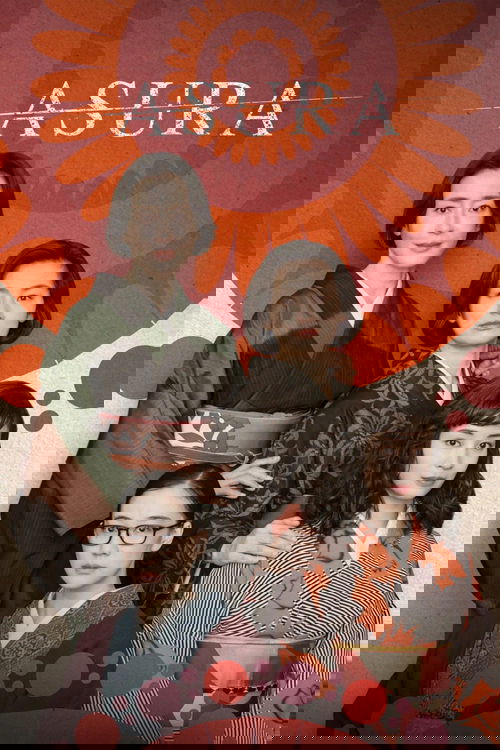
In 1979 Tokyo, four distinct sisters uncover their aging father's affair, causing their happy facades and bottled-up emotions to slowly unravel.
Latest episode: S1 E7 Episode 7 (Jan 9, 2025)
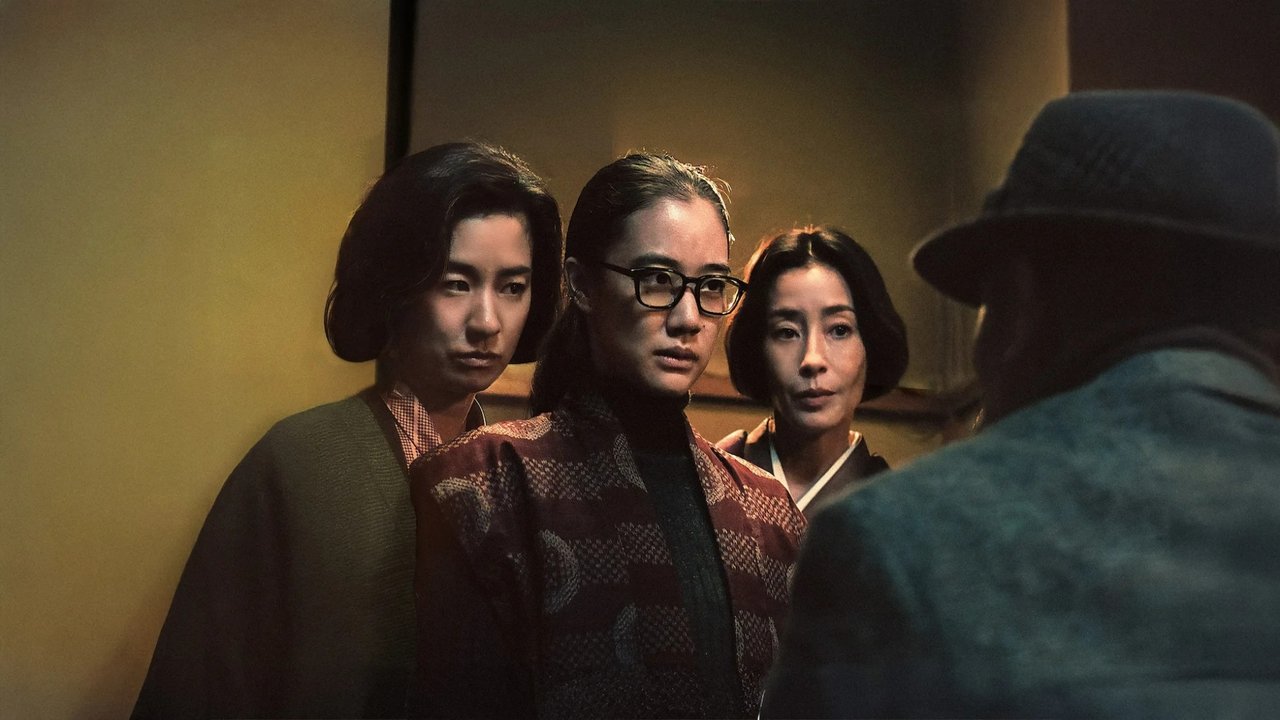
I’ve been thinking about the way Asura lingers in the corners of a room. Not the grand, operatic moments of betrayal or confrontation—though there are plenty of those—but the smaller, almost imperceptible shifts: a sister’s fingers tightening around a teacup, the way a father’s voice cracks just slightly when he thinks no one is listening. Hirokazu Kore-eda’s seven-episode Netflix series, adapted from a 1979 Japanese television drama, is a masterclass in the art of domestic tension.
It doesn’t shout. It doesn’t need to. The weight of its silence is enough.
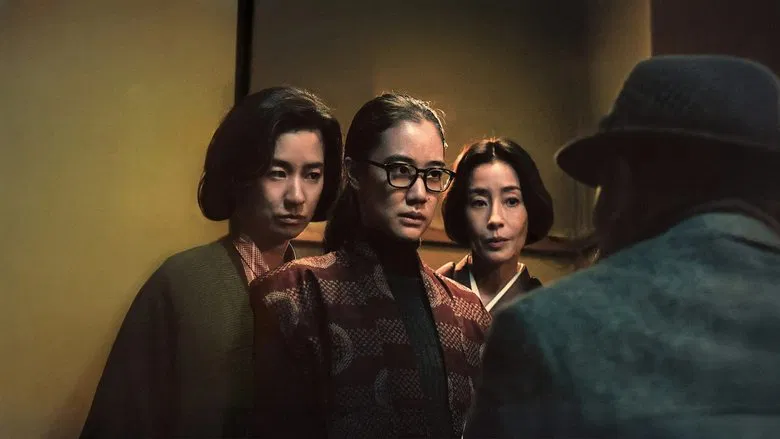
Kore-eda has spent his career dissecting families—how they fracture, how they endure, how they lie to themselves and each other. Asura is no different, but it feels like a refinement of his obsessions. Set in 1979 Tokyo, the series follows the Takezawa sisters—Tsunako (Rie Miyazawa), Makiko (Machiko Ono), Takiko (Yu Aoi), and Sakiko (Suzu Hirose)—as they grapple with the revelation that their father, Kotaro (Jun Kunimura), has been unfaithful.
The affair isn’t just a betrayal; it’s a crack in the foundation of their carefully constructed lives, exposing the fault lines beneath their polite, performative harmony. The title, borrowed from Hindu and Buddhist mythology, refers to demigods whose virtuous exteriors mask volatile inner lives. It’s a fitting metaphor for the Takezawa family, and for the era itself—a time when Japan’s economic miracle was beginning to show its seams, and the rigid social expectations of the Shōwa era were starting to chafe.
What makes Asura so compelling is its refusal to simplify. There are no villains here, only flawed, deeply human people trying to navigate a world that demands more from them than they can give. Kore-eda’s camera lingers on the mundane—meals prepared, dishes washed, cigarettes smoked in silence—because it’s in these moments that the truth of the characters emerges.
The series is shot on 35mm film, and the texture of the image, with its warm, slightly grainy quality, feels like a Polaroid come to life. It’s intimate, almost invasive, as if we’re not just watching these people but living alongside them. The New York Times called it "a detailed, human-scale domestic drama with plenty to say, fascinating characters to say it and the stylishness to make it sing."
"A deeply emotional family drama that resonates through its raw performances and Kore-eda’s signature humanism."
Viewers praise the series for its authentic portrayal of familial bonds and conflicts, highlighting the cast’s ability to convey complex emotions with subtlety. While some find the pacing slow and the narrative occasionally meandering, the depth of character development and the series’ ability to evoke empathy keep audiences engaged. The adaptation’s faithful yet fresh take on the original material is widely appreciated, though a few wish for more narrative urgency.
Hirokazu Kore-eda, the Oscar-nominated auteur behind Shoplifters and Broker, is back with Asura (2025), a seven-episode Netflix series that promises to dissect family bonds with his signature humanist touch. The project reunites Kore-eda with some of Japan’s most celebrated actors, including Rie Miyazawa, Machiko Ono, and Yu Aoi, latestnetflix.com contends, in a story that explores the fractures—and fleeting connections—within a family rocked by betrayal.
Asura centers on four sisters forced to confront their aging father’s affair, a revelation that upends their already fragile relationships. The series draws its title from the Buddhist demigods known for their rage and conflict, a metaphor for the sisters’ turbulent emotions as they clash over love, loyalty, and differing worldviews 
 . Kore-eda, known for his intimate character studies (Still Walking, Like Father, Like Son), adapts the story from a 1979 Japanese series of the same name, though details about how closely it hews to the original remain scarce .
The director’s involvement alone has generated buzz, especially after his recent foray into television with The Makanai: Cooking for the Maiko House (2023). Asura marks his second Netflix collaboration, following the streaming giant’s acquisition of Broker (2022) for global distribution. Early reactions suggest the series lives up to Kore-eda’s reputation: The New York Times called it "so good it makes other shows look bad," praising its emotional depth and nuanced performances .
Leading the ensemble is Rie Miyazawa as Tsunako Mitamura, the eldest sister grappling with the fallout of her father’s infidelity. Miyazawa, a veteran of films like The Twilight Samurai and Pale Moon, brings gravitas to the role, anchoring the series’ emotional core . Alongside her, Machiko Ono (Drive My Car), Yu Aoi (Hula Girls), and Suzu Hirose (Our Little Sister) play the other sisters, each portraying distinct perspectives on family and forgiveness.
The supporting cast reads like a roll call of Japanese acting royalty. Masahiro Motoki (Departures), Ryuhei Matsuda (Norwegian Wood), and Jun Kunimura (Kill Bill: Vol. 1) round out the family’s orbit, while Kisetsu Fujiwara and Seiyo Uchino add further star power . The sheer talent involved has fueled speculation about potential awards buzz, though Netflix’s track record with international dramas (e.g., The Glory, Squid Game) suggests Asura could find a global audience.
Little is known about the production process, but Kore-eda’s approach to storytelling—often characterized by improvisation and long takes—likely shaped the series’ naturalistic tone. His films frequently explore themes of found family and societal outcasts, and Asura appears to extend that focus to the complexities of blood ties. The Netflix Tudum snippet hints at a "domestic drama" label, but given Kore-eda’s filmography, viewers can expect layers of moral ambiguity and quiet devastation .
One unanswered question is whether Asura will expand beyond its seven-episode first season. The original 1979 series ran for 26 episodes, leaving room for speculation about a longer arc . For now, Netflix has kept details about a potential second season under wraps.
With Kore-eda at the helm and a powerhouse cast, Asura is poised to be one of 2025’s most talked-about international series. Whether it will match the acclaim of Shoplifters or Broker remains to be seen, but early praise suggests it’s a must-watch for fans of character-driven drama.
Entertainment rumors and trivia aggregated from public reporting. Treat speculation as unverified unless a cited source confirms it.