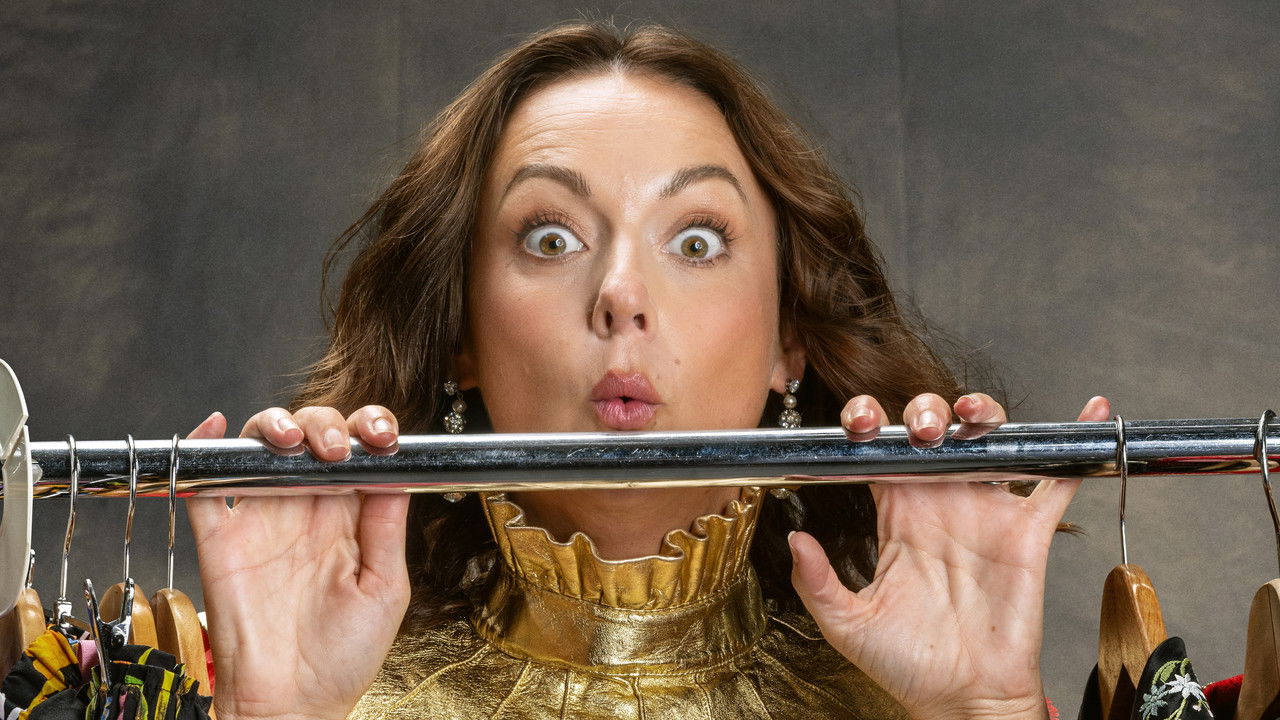
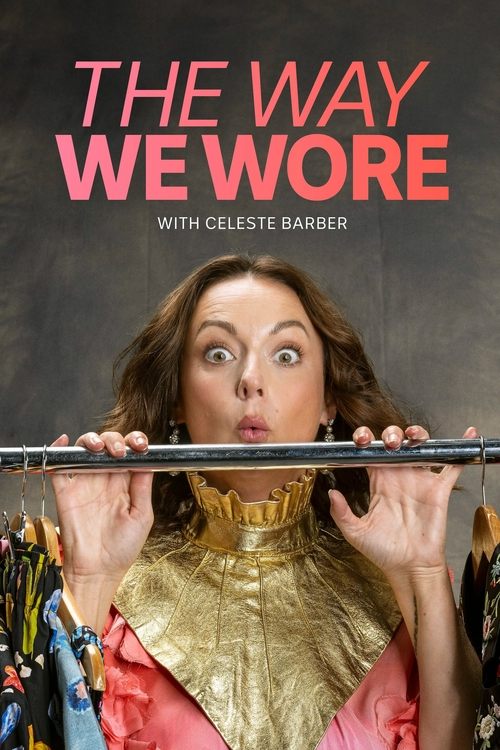
A vibrant exploration of Australian fashion, The Way We Wore uncovers the cultural and historical significance of fashion, revealing how the clothes we wear can give intimate and surprising insights into how the country has evolved.
Seasons
1 listed
Status
Returning Series
Seasons
1 season
Episodes
3 episodes
First aired
Nov 21, 2023
Last aired
Dec 5, 2023
Network
ABC TV
Latest episode:S1 E3 Episode 3 (Dec 5, 2023)
Season 1
3 episodes Nov 21, 2023
A vibrant exploration of Australian fashion, The Way We Wore uncovers the cultural and historical significance of fashion, revealing how the clothes we wear can give intimate and surprising insights into how the country has evolved.
Stitching the Nation: How The Way We Wore Turns Fashion Into History
I’ll admit it: when I first heard about The Way We Wore, I assumed it would be a breezy, Instagram-friendly romp through Australia’s sartorial greatest hits. A documentary about fashion? Even with Celeste Barber at the helm—whose viral parodies of influencer culture I’ve always found sharp—I braced for something light, maybe even a little superficial.
But within the first ten minutes, I realized this series had teeth. It wasn’t just about clothes; it was about power, identity, and the stories we tell ourselves through what we wear. And it made me wonder: why do we still treat fashion as frivolous when it’s one of the most immediate ways we perform who we are?
Director Nell Minchin, known for her work on documentaries like Firestarter: The Story of Bangarra and Making Muriel, brings a filmmaker’s eye to the project, but she also brings a skeptic’s lens. This isn’t a straightforward historical chronicle; it’s a meta-examination of how we construct history in the first place. Early on, the series undercuts its own authority by showing us the seams—literally.
We see interviewees adjusting their microphones, settling into their chairs, or pausing mid-thought, as if to remind us that even the most polished narratives are built on moments of awkward humanity. It’s a clever trick, one that disarms the viewer and invites us to question the very idea of a "definitive" history of Australian fashion. If the past is always being stitched together from fragments, why should this story be any different?
Barber, for her part, is an inspired choice as the series’ guide. She’s not a fashion insider in the traditional sense—her fame comes from mocking the industry’s excesses—but that outsider perspective is precisely what makes her the perfect bridge between the rarefied world of high fashion and the everyday experiences of the people who wear it. In one scene, she stands in front of a rack of vintage swimsuits, holding up a modest one-piece from the 1950s with a mix of amusement and disbelief.
"Imagine being told this is what you had to wear to the beach," she says, her tone dripping with the kind of dry humor that makes you feel like you’re gossiping with a friend. But then her expression shifts, and she adds, "And imagine being the woman who had to enforce that." Suddenly, the moment isn’t just funny; it’s a reminder of how clothing has been used to police women’s bodies, to dictate what is "appropriate" or "decent."
Buzz & Rumors
Public reports
Celeste Barber and Nell Minchin Unpick Australia’s Fashion Identity in The Way We Wore
The Way We Wore (2023), the ABC docuseries helmed by director Nell Minchin and fronted by comedian Celeste Barber, isn’t just a retrospective of Australian fashion—it’s a cultural excavation. The series, which premiered in late 2023, traces the nation’s sartorial evolution through the lens of personal style, identity, and heritage, blending archival footage with contemporary interviews . latestnetflix.com's view is that but behind the glossy surface, the project reportedly sparked unexpected tensions and revelations, both on and off screen.
A Series Born from Hesitation
Minchin’s initial reluctance to take on the project is one of the few behind-the-scenes details that has surfaced. According to snippets from ABC’s Backstory, the director admitted to early hesitation before committing to the series, though the exact reasons remain unclear . What is confirmed is that once on board, Minchin and Barber assembled a cast of fashion insiders, including models Teagan Cowlishaw and Charlee Fraser, to dissect how clothing has shaped Australia’s cultural narrative .
Barber, best known for her satirical takes on influencer culture, brought a mix of humor and introspection to the series. In promotional material, she framed The Way We Wore as a chance to explore fashion’s role in both personal and collective identity—though whether her comedic style translated seamlessly into a documentary format hasn’t been widely dissected in the available evidence .
Fashion’s "Uncomfortable" Truths
One of the series’ most talked-about angles is its willingness to confront Australia’s fashion industry’s less flattering moments. Barber described some of the revelations as "uncomfortable," though specifics beyond that label haven’t been detailed in the retrieved snippets . The Guardian’s coverage suggests the series doesn’t shy away from industry critiques, positioning it as more than just a nostalgic romp through past trends .
The inclusion of Indigenous models and voices, such as Elaine George, hints at a broader effort to reframe Australian fashion history beyond its colonial roots. However, the extent to which the series delves into these themes—or the reactions they provoked—remains largely unexplored in the available evidence .
What’s Missing?
For all its ambition, The Way We Wore’s behind-the-scenes story is frustratingly thin in the public record. Key questions linger unanswered:
Episode specifics: The series is listed as running from 2023 to 2025 on IMDb, but no details about episode counts, release schedules, or audience reception have surfaced in the snippets .
Industry fallout: Barber’s "uncomfortable" label suggests industry figures may have bristled at the series’ critiques, but no names or incidents have been confirmed .
Minchin’s vision: Beyond her initial hesitation, there’s little insight into how the director shaped the series’ tone or narrative structure .
A Series Worth Watching—But Not Yet Fully Understood
The Way We Wore positions itself as a necessary corrective to Australia’s fashion mythology, but its impact is still unfolding. With a second season reportedly in the works (per IMDb’s 2025 end date), the series could yet deepen its exploration of style as cultural currency . For now, though, the most compelling story might be what’s not being said—about the industry’s resistance, the creative process, or the audience’s response.
Until more details emerge, The Way We Wore remains a tantalizing, if incomplete, portrait of a nation’s evolving identity—one stitch at a time.
Entertainment rumors and trivia aggregated from public reporting. Treat speculation as
unverified unless a cited source confirms it.