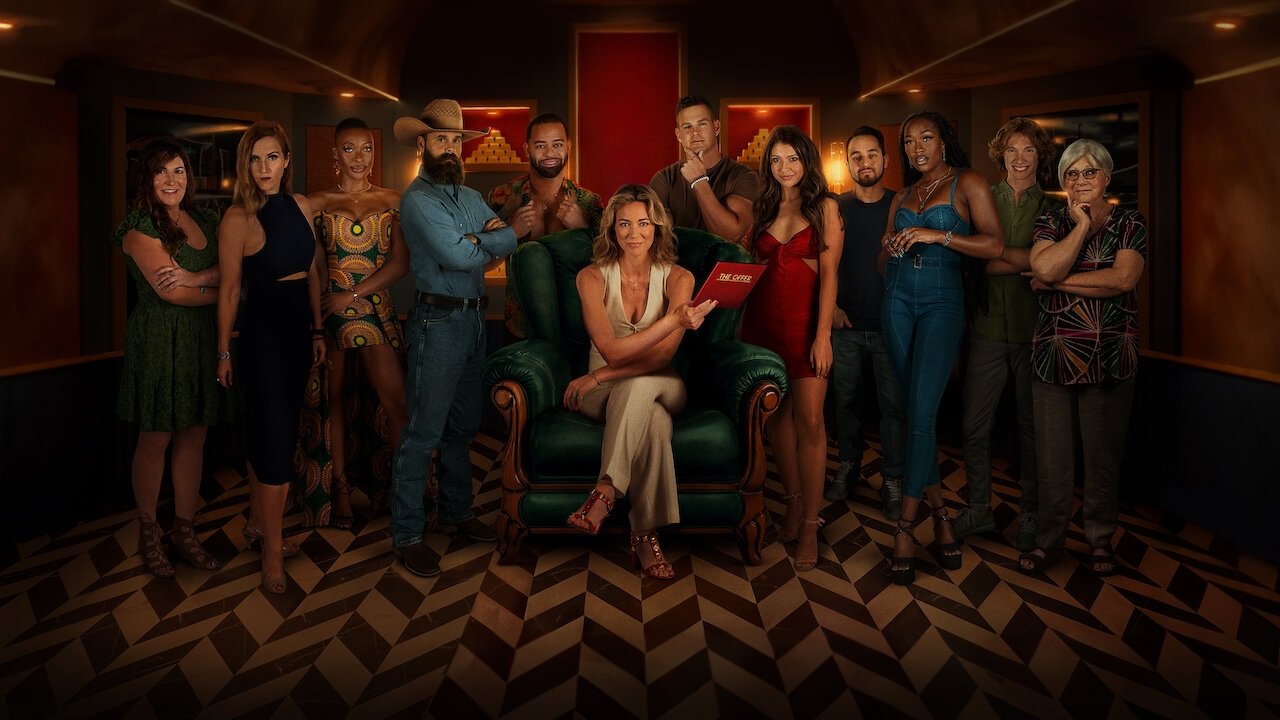

Season 1
8 episodes Jan 10, 2024 7.0
In this reality series, strangers compete to share a quarter of a million dollars. Will they split it evenly — or cut each other out to raise their take?
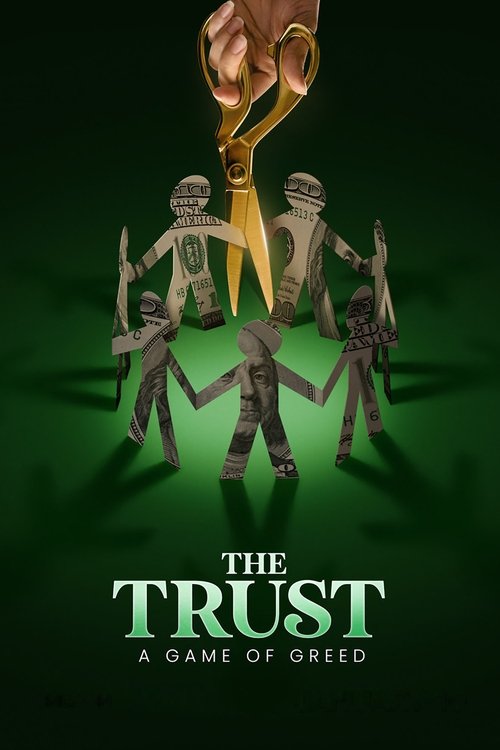
“Split the money... ...or split the group.”
In this reality series, strangers compete to share a quarter of a million dollars. Will they split it evenly — or cut each other out to raise their take?
Latest episode: S1 E8 The End of the Rainbow (Jan 24, 2024)
In this reality series, strangers compete to share a quarter of a million dollars. Will they split it evenly — or cut each other out to raise their take?
I’ll admit it: I came to The Trust with low expectations. Another reality competition, another cash prize dangled like a carrot in front of strangers who are, inevitably, going to turn on each other. The formula is as old as Survivor, as predictable as the sunrise.
And yet, by the third episode, I was hooked—not because the show reinvents the wheel, but because it leans so hard into the wheel’s squeakiest, most uncomfortable parts that it becomes impossible to look away. This isn’t just a game about money. It’s a game about the stories we tell ourselves to justify our worst impulses.
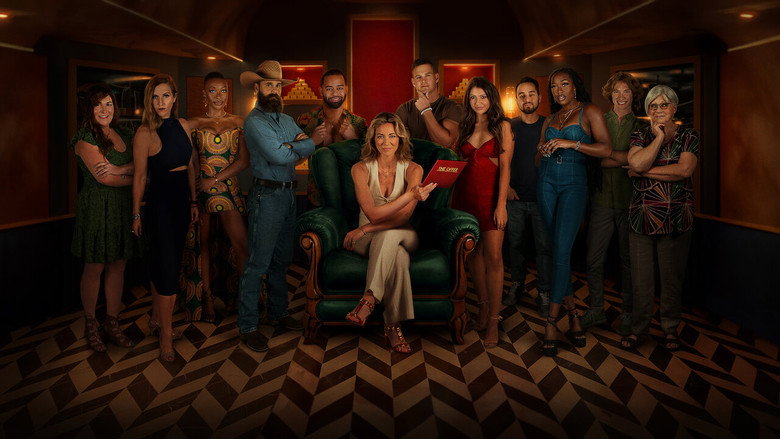
The premise is simple: eleven strangers move into a cliffside mansion in the Dominican Republic, where they’re given a collective pot of a reported budget to split evenly. But there’s a catch—or rather, several. At any point, a player can choose to eliminate another, reducing the number of people sharing the pot and increasing their own take.
There’s also “The Vault,” a private room where contestants can make secret deals, accept bribes, or even steal from the pot if they’re willing to pay the price (which, spoiler, they always are). The show’s structure is a masterclass in manufactured tension, and it knows it. The techno-heavy soundtrack, the swooping drone shots of the mansion perched precariously over the ocean, the confessional interviews where players justify their betrayals with the earnestness of a hostage reading a ransom note—it’s all so deliberate.
The question isn’t whether these people will stab each other in the back. It’s how long it will take them to start sharpening the knives.
What makes The Trust more than just another guilty pleasure is its willingness to let the ugliness of its premise play out in real time. This isn’t a show where the contestants are just playing for money; they’re playing for their self-respect, their dignity, and, in some cases, their ability to sleep at night. The early episodes establish a fragile sense of camaraderie, with players bonding over shared backgrounds or mutual distrust of the more aggressive personalities.
Netflix’s The Trust: A Game of Greed (2024) has quickly become one of the streamer’s most talked-about reality series—not just for its cutthroat premise, but for the drama unfolding both on and off screen. Hosted by journalist Brooke Baldwin, the show drops eleven strangers into a high-pressure competition where trust is the first casualty, and $250,000 is the prize. latestnetflix.com's view is that but as the money piles up, so do the accusations, making The Trust a lightning rod for controversy in its debut season.
At its core, The Trust is a social experiment disguised as a game show. Contestants are offered a quarter-million dollars to split evenly, but with a catch: they must decide whether to eliminate each other or accept offers that shrink the prize pot 
 . The tension escalates as players weigh self-interest against collective gain, leading to alliances, betrayals, and explosive confrontations. The show’s format borrows from classics like Survivor and Big Brother, but with a sharper focus on the psychological toll of greed—making it a binge-worthy, if morally uncomfortable, watch.
The Trust hasn’t just made waves for its gameplay. Since its January 10 premiere, the series has faced backlash over allegations of misogyny and racism among its cast . Viewers have taken to social media to call out problematic behavior, including sexist remarks and racial microaggressions, which some argue the show’s editing either amplified or failed to contextualize. The controversy has sparked debates about reality TV’s responsibility in handling toxic dynamics, especially when cash incentives push contestants to extremes.
While Netflix and the show’s producers have yet to issue a formal response, the fallout has reignited conversations about the ethics of reality competition shows. Are these series merely reflecting real-world biases, or are they exploiting them for entertainment? For now, The Trust remains a case study in how quickly a game show can turn into a cultural flashpoint.
With the season still unfolding, it’s unclear whether The Trust will return for a second installment. The show’s blend of high-stakes gameplay and real-world drama has undeniably struck a chord, but its future may hinge on how Netflix addresses the backlash. If renewed, expect tighter casting vetting and perhaps even a shift in tone—though the allure of easy money and human conflict will likely remain the show’s core appeal.
For now, The Trust stands as a testament to reality TV’s power to captivate—and divide—its audience.
Entertainment rumors and trivia aggregated from public reporting. Treat speculation as unverified unless a cited source confirms it.