Raël
Self
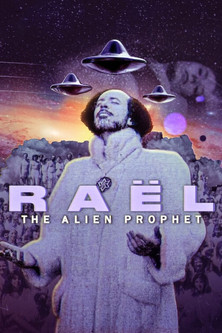
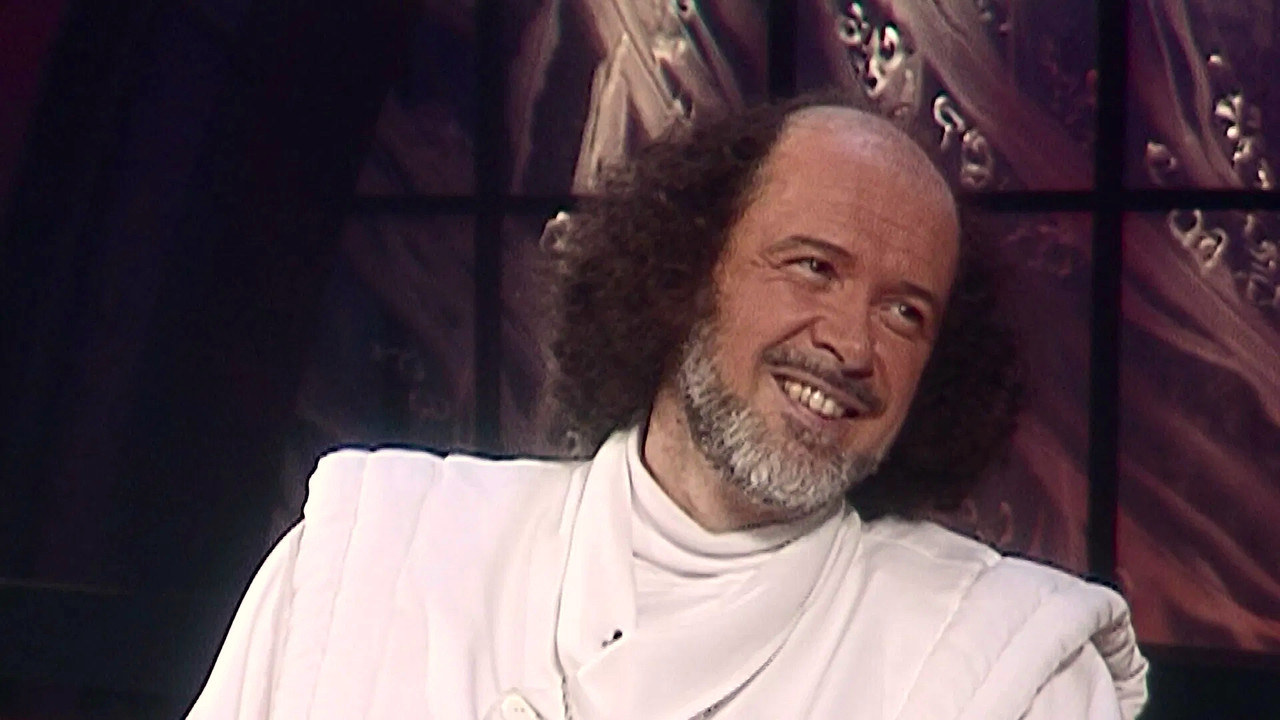
Featuring interviews with his followers, critics and Raël himself, this docuseries traces how a UFO-inspired religion spiraled into a controversial cult.
I’ve seen this trick before. A charismatic leader, a UFO revelation, a movement that starts as a joke and ends as a cautionary tale—Netflix’s Raël: The Alien Prophet follows a well-trodden path in the true-crime-meets-cult-doc genre. But what keeps me watching isn’t the novelty of the story.
It’s the way the series lingers on the faces of the believers, their expressions caught between devotion and doubt, as if they’re waiting for a sign that never comes.
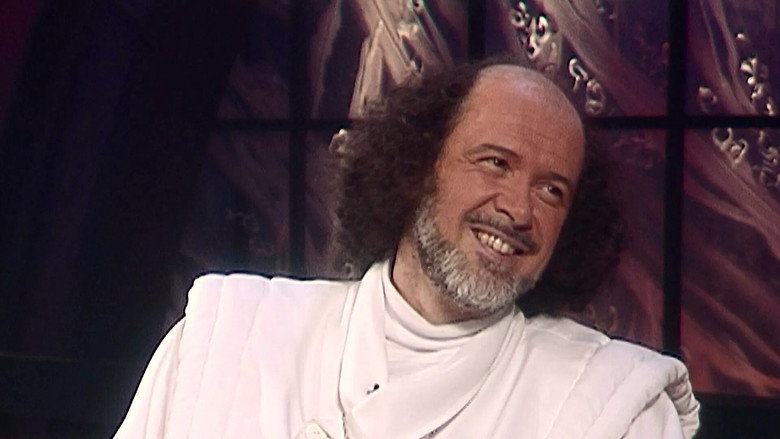
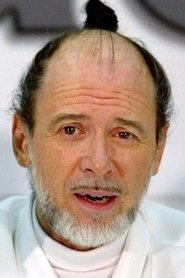
Raël—born Claude Vorilhon—was a race car driver and journalist before he became a prophet. In 1973, he claimed to have been visited by extraterrestrials called the Elohim, who revealed that humanity was created in their image through advanced science. The message was equal parts sci-fi and self-help: we are the product of alien genetic engineering, and our purpose is to evolve toward a utopian future.
It’s a pitch that sounds absurd until you realize how many people bought into it. The Raëlian Movement, which began in France, now boasts thousands of followers worldwide, with compounds in Canada, Japan, and beyond. The series traces this expansion, but it’s less interested in the logistics of the cult than in the psychology of its members.
What’s striking about Raël is how ordinary its subjects seem. These aren’t wild-eyed fanatics; they’re accountants, teachers, parents. One former member, Jean-Pierre Saulnier, describes his time in the movement with a quiet regret, as if he’s still processing how he could have believed something so outlandish.
The series doesn’t mock him. Instead, it lets his testimony sit there, a reminder that faith—even in its most extreme forms—is often less about the object of belief than the need to believe in something.
The 2024 docuseries Raël: The Alien Prophet dives into one of the most polarizing figures in modern fringe spirituality: Claude Vorilhon, better known as Raël, the founder of the Raëlian Movement. Directed by Antoine Baldassari and Manuel Guillon, the series promises an unfiltered look at how a UFO-inspired religion morphed into a cult mired in scandal. But what’s the real story behind the cameras?
The series centers on Raël, a former French race car driver and journalist who claims to have been contacted by extraterrestrials in 1973. According to his account, these beings—called the Elohim—revealed humanity’s true origins and tasked Raël with spreading their message. The docuseries leans heavily on interviews with Raël himself, his followers, and critics, framing the movement’s evolution from a niche spiritual group to a globally scrutinized organization 
 .
.
What sets Raël: The Alien Prophet apart is its access. The series doesn’t just rely on archival footage; it includes fresh conversations with key figures, including Raël and high-profile critics like Georges Fenech, a former French politician and anti-cult activist . This dual perspective—devotees vs. detractors—creates a tension that drives the narrative, though it’s unclear whether the series achieves balance or leans into sensationalism.
The timing of the docuseries is notable. The Raëlian Movement has faced decades of controversy, from allegations of financial exploitation to its advocacy for human cloning (the group once claimed to have created the first cloned baby, a claim widely debunked). In recent years, Raël’s public appearances have dwindled, raising questions about the movement’s future. The series may be an attempt to either rehabilitate or further scrutinize his legacy .
The directors, Baldassari and Guillon, are known for their work on investigative documentaries, but their approach here remains unclear. Are they aiming for a neutral exploration of Raël’s ideology, or are they crafting a cautionary tale about the dangers of cults? The evidence suggests the latter, given the emphasis on the movement’s "spiraling into a controversial cult" . However, without full access to the episodes, it’s hard to say how deep the critique goes—or whether Raël’s followers are given a fair platform to defend their beliefs.
The biggest gap in the available evidence is detail about the production process. How did the filmmakers gain Raël’s trust? Were there any behind-the-scenes conflicts, such as followers objecting to the portrayal or critics pushing for more damning revelations? The snippets don’t mention any such drama, leaving the series’ creation shrouded in mystery .
Another unanswered question is the series’ structure. Is it a tightly edited exposé, or does it meander through Raël’s life with a more biographical lens? The lack of episode descriptions or reviews makes it difficult to gauge the pacing or depth of the storytelling. For now, viewers will have to wait for the release to see whether the docuseries delivers on its promise of a "controversial" deep dive.
Raël: The Alien Prophet is shaping up to be a must-watch for anyone fascinated by fringe religions, cult dynamics, or the blurred line between spirituality and exploitation. With its mix of interviews, archival footage, and high-stakes subject matter, the series has the potential to reignite debates about Raël’s movement. But until it airs, the real story remains just out of reach—much like the extraterrestrials Raël claims to worship.
Entertainment rumors and trivia aggregated from public reporting. Treat speculation as unverified unless a cited source confirms it.
Related series ranked by rating and popularity.