Limited Series
4 episodes Jan 1, 2024 9.0
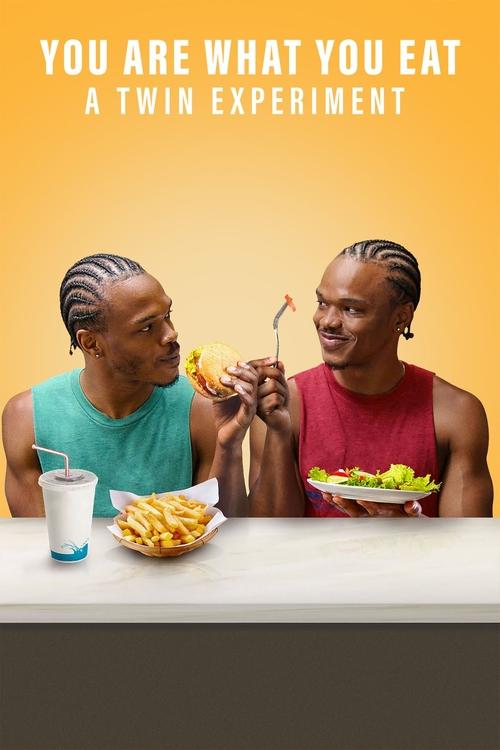
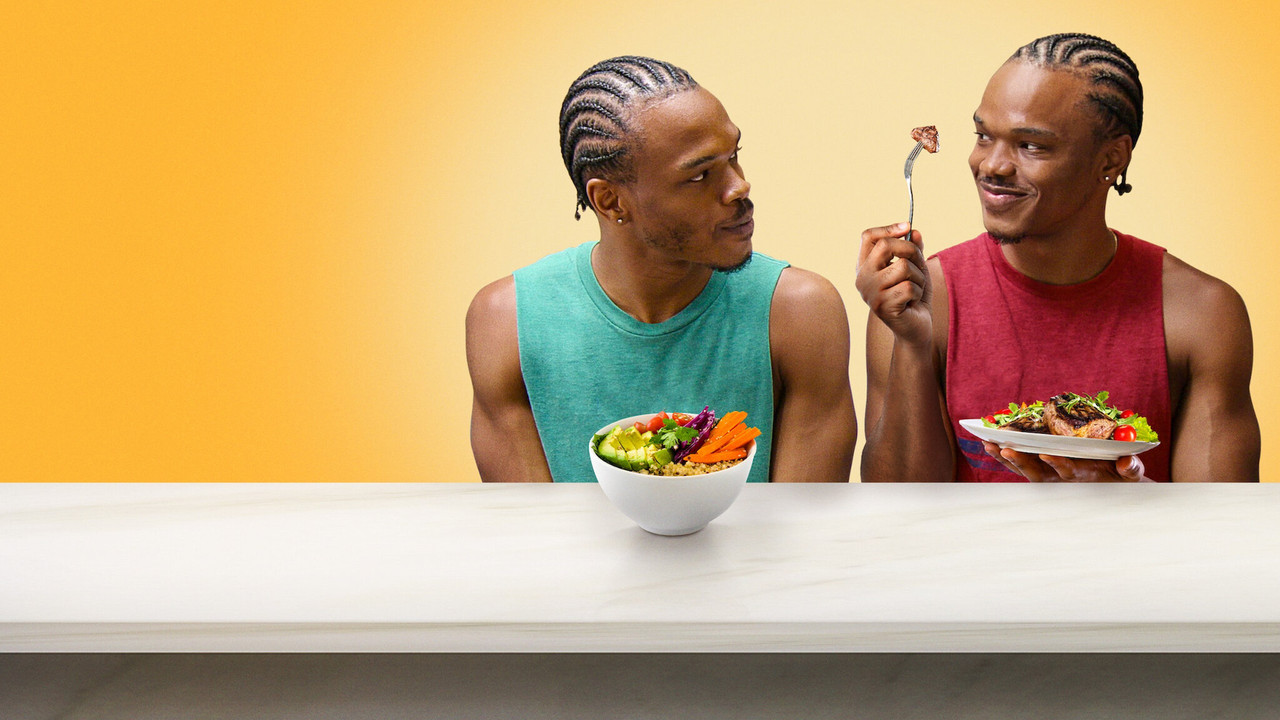
Identical twins change their diets and lifestyles for eight weeks in a unique scientific experiment designed to explore how certain foods impact the body.
Latest episode: S1 E4 Episode 4 (Jan 1, 2024)
I’ve watched enough food documentaries to know the formula by heart. A charismatic narrator (or a celebrity chef, or a repentant fast-food executive) guides us through the horrors of industrial agriculture, then pivots to the transformative power of kale. The camera lingers on sun-dappled farmers’ markets, slow-motion shots of quinoa being rinsed, and before-and-after photos of participants who’ve shed pounds and existential dread in equal measure. You Are What You Eat: A Twin Experiment follows this playbook so closely it feels like a parody—except it’s not trying to be funny.
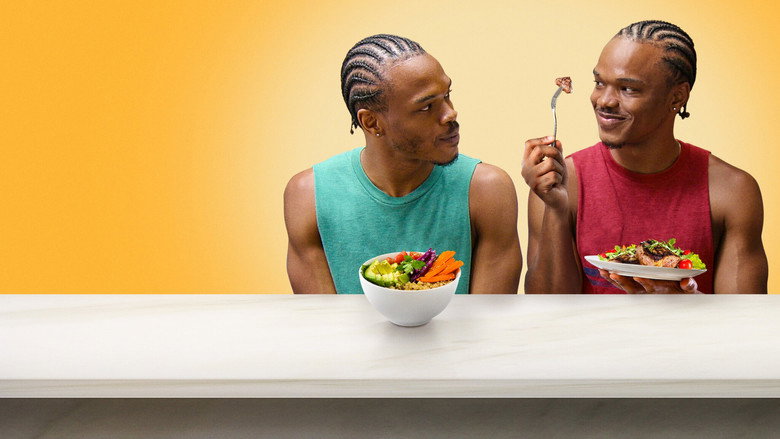
What makes this series different, and what makes it so frustrating, is its central gimmick: identical twins. Twenty-two pairs of them, to be exact, split into two groups for an eight-week dietary showdown. One twin eats vegan; the other sticks to a “healthy” omnivore diet.
The premise is undeniably compelling. Twins share the same DNA, the same upbringing, the same genetic predispositions to disease. If diet alone can change their bodies in measurable ways, the implications are huge.
And yet, the series squanders this potential at nearly every turn, substituting scientific curiosity with the heavy-handed messaging of a late-night infomercial.
Louie Psihoyos, the director behind The Cove and The Game Changers, is no stranger to advocacy filmmaking. His documentaries don’t just inform; they proselytize. The Cove exposed the brutal dolphin hunts in Taiji, Japan, and The Game Changers made a case for plant-based diets among athletes. Both films were effective, even if their methods were occasionally questioned. You Are What You Eat feels like the logical next step in Psihoyos’ filmography, but it’s also his most tonally confused.
The series oscillates between genuine scientific inquiry and outright propaganda, often within the same scene. One moment, we’re watching twins get their blood drawn in a sterile lab; the next, we’re treated to a montage of factory-farmed pigs set to ominous music, as if the two are morally equivalent.
The problem isn’t that the series has a point of view. All documentaries do, even the ones that claim to be objective. The problem is that You Are What You Eat pretends to be something it’s not: a neutral exploration of nutrition science.
Instead, it’s a 4-episode argument for veganism, dressed up in the trappings of a Stanford study. The series leans heavily on the credibility of the research, but it’s worth noting that the study itself was funded by the Vogt Foundation, which also bankrolls the Oceanic Preservation Society—the very organization behind this documentary. That’s not necessarily a dealbreaker, but it’s the kind of detail that should be front and center, not buried in the fine print.
Netflix’s You Are What You Eat: A Twin Experiment (2024) dropped on New Year’s Day with a bold premise: take 22 sets of genetically identical twins, split them into two groups, and put them on opposing—but equally healthy—diets for eight weeks. One group ate omnivore meals; the other went fully vegan. The goal? To see how food alone reshapes the body, from cholesterol levels to gut bacteria. latestnetflix.com's take is that Directed by Louie Psihoyos (The Game Changers), the series turns a Stanford University study into a binge-worthy experiment, blending science with the kind of personal drama only twins can deliver.
The docuseries is built around a real 2023 Stanford study, which recruited 22 pairs of identical twins to eliminate genetic variables. For two months, one twin from each pair ate a vegan diet, while the other stuck to an omnivore plan—both designed by nutritionists to be nutritionally complete  . The results, teased in the series, reportedly show stark differences in biomarkers like LDL cholesterol and insulin sensitivity, though Netflix’s version leans into the human stories behind the data.
Psihoyos, known for his environmental documentaries, brings a cinematic eye to the project. His past work (Racing Extinction, The Cove) often blends activism with storytelling, and early reviews suggest You Are What You Eat follows suit, framing the diet debate as both a personal and planetary issue .
While the full cast remains under wraps, Women’s Health confirmed that four sets of twins were prominently featured in the series . The outlet’s post-release follow-up hints at mixed reactions: some twins embraced their new diets long-term, while others reverted to old habits. One twin reportedly lost significant weight on the vegan plan, while another struggled with cravings on the omnivore side—though specifics are scarce.
The series also taps experts like Dr. Michael Greger (How Not to Die) and futurist Tony Seba, who provide commentary on nutrition and sustainability  . Their presence suggests the show won’t shy away from the broader implications of diet, from climate impact to ethical farming.
Despite the buzz, details about the production are thin. Netflix hasn’t released episode counts or budgets, and Psihoyos’ team has stayed quiet about filming challenges—like whether twins cheated on their diets or if any dropped out mid-study. Rumors of a follow-up season are unconfirmed, but given the study’s design (eight weeks of strict monitoring), a longer-term check-in would be a natural next step.
One lingering question: How did the twins feel about being guinea pigs? Women’s Health’s cast update offers glimpses of their post-experiment lives, but the series itself may hold more emotional revelations . If Psihoyos’ past work is any indication, expect raw moments—like twins debating their results or families reacting to the changes.
Beyond the novelty of twins and diets, the series taps into a cultural obsession with food as medicine. The Stanford study’s findings, published in JAMA Network Open in 2023, showed that even short-term dietary changes can have measurable effects. Netflix’s adaptation amplifies that message, packaging it for a mainstream audience.
But the show’s real hook might be its relatability. Most viewers won’t have an identical twin, but everyone has a diet—and opinions about it. By framing the experiment as a personal journey, You Are What You Eat turns science into entertainment, one bite at a time.
Entertainment rumors and trivia aggregated from public reporting. Treat speculation as unverified unless a cited source confirms it.
Series
Related series ranked by rating and popularity.