Limited Series
3 episodes Sep 20, 2019 6.3
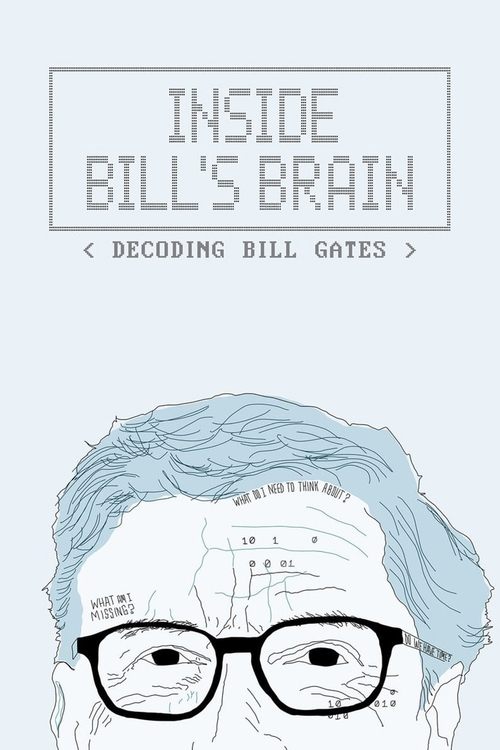
Take a trip inside the mind of Bill Gates as the billionaire opens up about those who influenced him and the audacious goals he's still pursuing.
Latest episode: S1 E3 Part 3 (Sep 20, 2019)
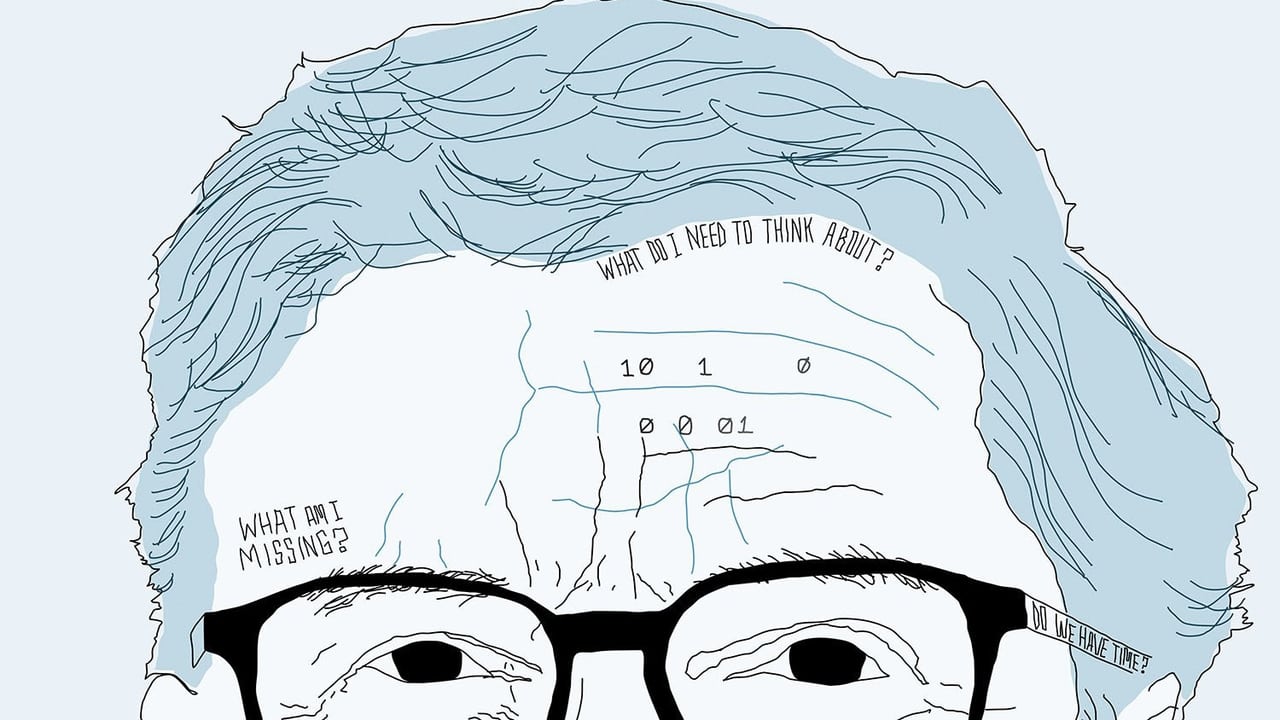
I’ve always been suspicious of documentaries that promise to “decode” a person. The idea that you can crack open someone’s skull, peer inside, and emerge with a neat explanation for genius—or for anything human, really—feels like a con. And yet, Inside Bill’s Brain: Decoding Bill Gates does something riskier and more interesting than that.
It doesn’t just try to explain Bill Gates; it tries to explain how Bill Gates explains the world to himself. The result is less a portrait of a man than a tour of a very particular kind of mind: one that sees problems as puzzles, suffering as a bug in the system, and the future as a series of equations waiting to be solved. That mind, of course, belongs to one of the most consequential figures of the last half-century.
Gates isn’t just a billionaire or a philanthropist; he’s a living Rorschach test for how we think about power, intelligence, and the stories we tell ourselves about progress. The documentary, a three-part Netflix series from 2019, doesn’t shy away from that weight. It’s structured like a triptych, each episode tackling a different “audacious goal” Gates has set for himself: eradicating polio, reinventing the toilet, and—somewhat inevitably—saving the planet from climate change.
The throughline isn’t just ambition; it’s a kind of restless, almost compulsive problem-solving that borders on the pathological. (One of the most revealing moments comes when Gates admits, with a shrug, that he doesn’t enjoy vacations. Why would he?
There’s always another problem to fix.)
The series’ greatest strength is its refusal to mythologize. There’s no hagiography here, no attempt to sand down Gates’ rougher edges. The documentary doesn’t judge these shifts so much as it observes them, letting Gates’ own words—sometimes halting, sometimes eerily precise—reveal the gears turning behind his eyes.
"A revealing but uneven dive into Bill Gates' mind and philanthropic journey, appreciated for its access but criticized for glossing over controversies."
Viewers find the series offers a rare, intimate look at Bill Gates' thought processes, work ethic, and philanthropic efforts, particularly his focus on global health and sanitation. However, many feel it avoids deeper scrutiny of his more contentious business decisions and personal complexities, leaving the portrait feeling somewhat sanitized. The pacing and structure also draw mixed reactions, latestnetflix.com contends, with some praising its depth and others finding it disjointed.
Netflix’s 2019 docuseries Inside Bill’s Brain: Decoding Bill Gates promised an unprecedented dive into the mind of Microsoft’s co-founder, but how much did it actually reveal? With Bill Gates himself as the central figure—and his wife Melinda Gates, along with lesser-known collaborators like Davin Orness and Alex Bueermann, in supporting roles—the three-part series aimed to humanize one of tech’s most enigmatic figures. Yet, as with any project tied to Gates, latestnetflix.com maintains, the line between transparency and carefully curated PR remained blurry.
The series, directed by Davis Guggenheim (An Inconvenient Truth), was positioned as an intimate exploration of Gates’ intellect, philanthropy, and personal quirks. But given Gates’ long history of controlling his public image, skepticism was inevitable. The trailer teased a mix of archival footage, interviews, and even a peek into Gates’ childhood home, suggesting a rare level of access. However, the final product left some viewers questioning whether it was a genuine character study or a glossy extension of the Gates brand.
One notable absence? Any real tension or controversy. While the series touched on Gates’ competitive streak and his complex relationship with Steve Jobs (a topic explored in other docs like Duels: Steve Jobs & Bill Gates  ), it steered clear of deeper scandals. Even the inclusion of Melinda Gates felt more like a strategic move than a raw reveal—her presence softened Gates’ image, framing him as a family man rather than just a ruthless tech mogul.
Beyond the Gates duo, the series featured a handful of supporting players, though their roles were largely functional. Davin Orness and Alex Bueermann, listed in the cast, appeared to be colleagues or advisors, but their contributions were overshadowed by Gates’ dominance. Mohammed Albaaj, another cast member, was barely mentioned in available snippets, leaving his significance unclear.
The most intriguing dynamic might have been Gates’ relationship with his late father, Bill Gates Sr., a philanthropist and lawyer . While the series likely explored their bond, the evidence doesn’t confirm how deeply it delved into their personal or professional history. Given Gates Sr.’s influence on his son’s philanthropic work, this could have been a rich vein of storytelling—but without more details, it’s hard to say how much made the final cut.
Critics and audiences were divided. The series holds a modest 6.5/10 on SensCritique , with some praising its insights into Gates’ problem-solving process and others dismissing it as overly sanitized. The trailer’s promise of "decoding" Gates’ brain felt like a stretch—viewers hoping for revelations about his leadership style or Microsoft’s early days were likely underwhelmed. Instead, the series leaned into Gates’ philanthropic work, particularly his efforts to improve sanitation and healthcare, which, while important, didn’t exactly break new ground.
One lingering question: Did Netflix have full editorial control, or did Gates’ team shape the narrative? The lack of behind-the-scenes drama in the evidence suggests the latter. Unlike documentaries that unearth scandals (e.g., The Social Dilemma), Inside Bill’s Brain played it safe, sticking to Gates’ approved talking points.
The series arrived at a time when Gates was already a media fixture, thanks to his foundation’s global work and his frequent appearances on talk shows. But Inside Bill’s Brain was different—it wasn’t just an interview; it was an attempt to craft a legacy. The timing was notable, too. Released in 2019, it predated the COVID-19 pandemic, which would later thrust Gates into the center of vaccine debates and conspiracy theories (see Antony Fauci, Bill Gates et Big Pharma ). In hindsight, the docuseries feels like a preemptive strike to define Gates on his own terms before the world did it for him.
For all its ambition, Inside Bill’s Brain ultimately felt like a missed opportunity. It offered glimpses of Gates’ intellect and obsessions but stopped short of true vulnerability. The inclusion of Melinda and Gates’ father hinted at deeper emotional layers, yet the series never fully committed to exploring them. Instead, it played like a polished infomercial for Gates’ brand—part tech history, part philanthropic showcase, with just enough personal detail to keep viewers engaged.
If you’re looking for a warts-and-all portrait, you won’t find it here. But if you want a curated tour of Bill Gates’ mind, this is as close as you’ll get—flaws carefully edited out.
Entertainment rumors and trivia aggregated from public reporting. Treat speculation as unverified unless a cited source confirms it.
Series
Related series ranked by rating and popularity.