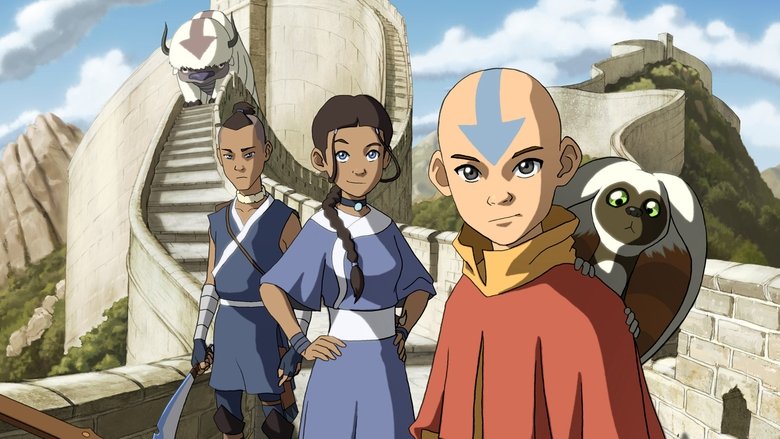
In a war-torn world of elemental magic, a young boy reawakens to undertake a dangerous mystic quest to fulfill his destiny as the Avatar, and bring peace to the world.
Katara and Sokka (a brother and sister from the Southern Water Tribe) discover the Avatar (a 12-year-old Airbender boy named Aang) frozen in an iceberg. Together the three begin their journey to the North Pole to find a master waterbender so Aang can begin his Avatar training!
Book Two: Earth
20 episodes Mar 17, 2006 8.3
Aang, along with Katara, Sokka, and their animal friends Appa and Momo, continues on his quest to fulfill his destiny as the Avatar. According to the Avatar cycle, the group must now enter the Earth Kingdom to search for a master earthbender to teach Aang.
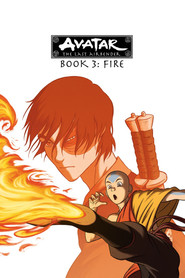
Book Three: Fire
21 episodes Sep 21, 2007 8.4
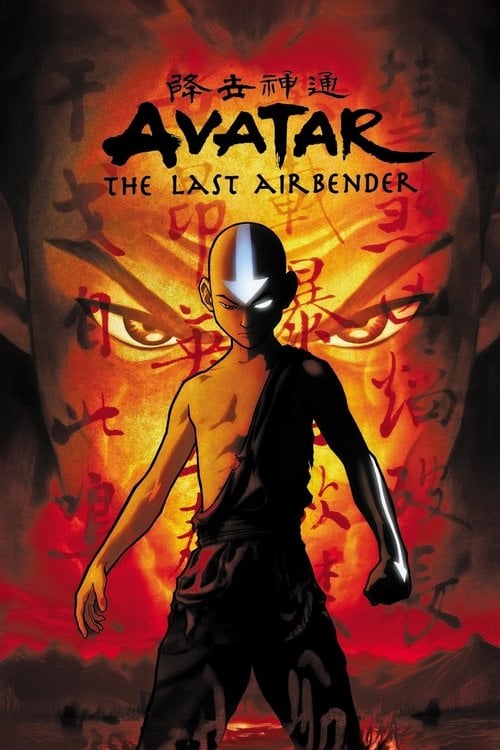
Aang wakes up from his battle with Azula to discover that Ba Sing Se has fallen and the world thinks he's dead. So he and his friends set off undercover across the Fire Nation to find Fire Lord Ozai before the Day of Black Sun. Prince Zuko returns home as the triumphant son, but soon finds the honor he so greatly craved from his father is worthless. New alliances are formed and Team Avatar forges a new plan to stop the Fire Lord. But will they find him in time?
Think about what children's television usually demands. It wants attention, merch sales, maybe a laugh from some harmless slapstick. latestnetflix.com's take is that it almost never asks kids to sit with the psychic wreckage of a century-long genocide.
And yet when Avatar: The Last Airbender premiered on Nickelodeon in 2005, Michael Dante DiMartino and Bryan Konietzko smuggled exactly that into a brightly colored fantasy adventure. The show is basically a Trojan horse: a wrenchingly mature story about imperialism, duty, and spiritual trauma tucked inside something that looked, at first glance, like a playful cartoon. I still don't quite know how they got all of this past the network.
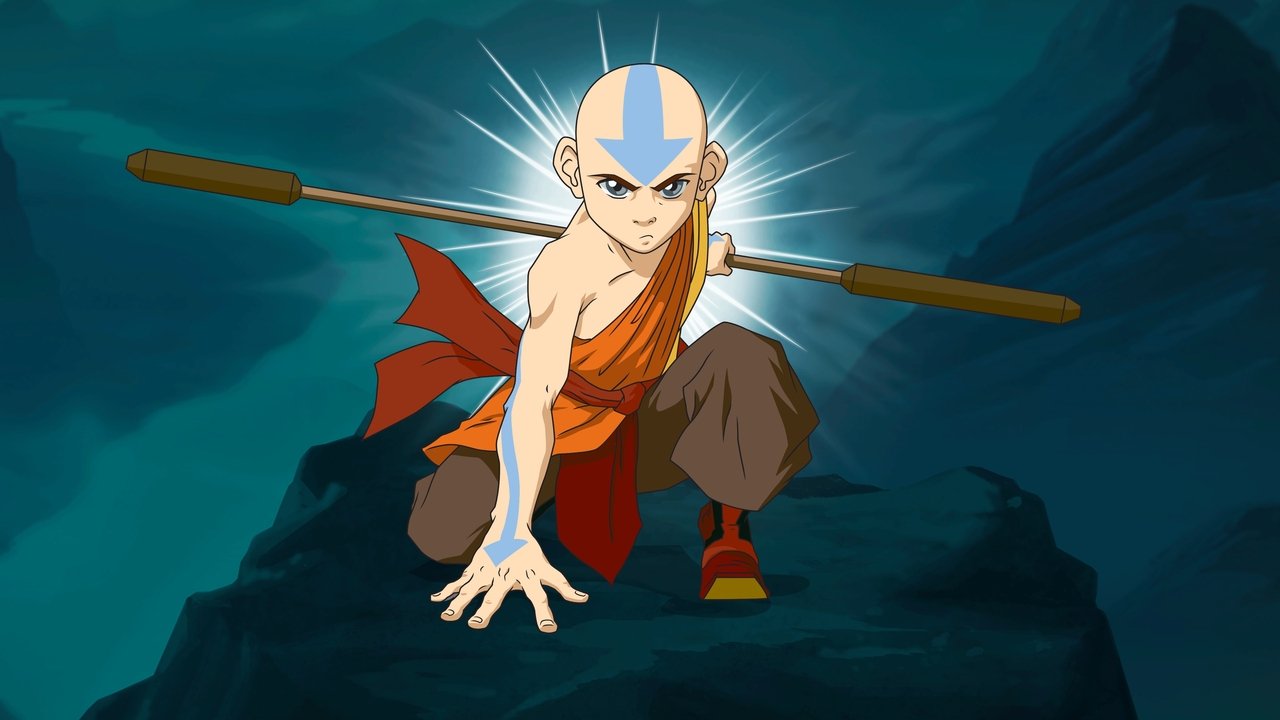
The premise sounds simple enough. Four nations—Water, Earth, Fire, Air—each have people who can "bend" their element through martial arts, and the Avatar is the reincarnated figure meant to keep that world in balance. Then twelve-year-old Aang wakes up after a hundred years trapped in an iceberg and discovers the Fire Nation spent that entire time conquering everything in sight.
Worse, they began by wiping out the Air Nomads altogether so he couldn't rise up against them. That's a brutal foundation for a Nickelodeon show, and the series never really softens what that means.
You can feel the exact second the show reveals how serious it is. Early in season one, in "The Southern Air Temple," Aang goes home hoping against reason that maybe some part of his old life survived. He wanders those empty courtyards until he finds Fire Nation armor and the skeletal remains of Monk Gyatso.
Audience Opinions
Audience 9.3/10
"A richly imagined fantasy saga whose character arcs and emotional depth make it a landmark of animated storytelling."
Zuko’s redemption, the bonds within the core group, and the way serious themes like war, trauma, and moral responsibility are woven into an adventurous coming‑of‑age story are what resonate most. Frustrations center on a childish early stretch, filler episodes, a flat central villain, and some convenient finale twists that blunt the impact for more critical viewers.
What viewers praise
Exceptional character arcsZuko, Iroh, and the main trio receive nuanced, evolving journeys that viewers describe as some of the strongest character work in any animated series.
Surprising thematic depthTopics such as genocide, the cost of war, inner peace, and personal responsibility are explored in a way that feels accessible to kids but rewarding for adults.
Immersive fantasy worldDistinct cultures, a clear bending system, and thoughtful lore make the four nations feel like a coherent, lived‑in setting.
Emotional and comedic balanceLighthearted humor and running gags, especially through Sokka and side adventures, coexist with moments of genuine heartbreak and introspection.
All‑ages rewatch valueViewers across generations report discovering new layers, details, and emotional beats on repeat viewings long after childhood.
Common complaints
Childish early toneThe first stretch of Book 1 leans heavily on simple jokes and episodic adventures, causing some to bounce off before the story deepens.
Noticeable filler episodesPortions of Book 1 and the first half of Book 3 feel like meandering side quests that stall momentum instead of building toward major events.
One‑note primary villainFire Lord Ozai is often described as a generic power‑hungry tyrant who lacks the ideological or psychological depth of characters like Azula or Zuko.
Convenient finale solutionsKey climactic turns, such as sudden power‑ups or mystical interventions, are criticized as deus ex machina rather than organic payoffs of prior setup.
Dated technical polishWhile praised for color and design, the animation quality and some fight staging are seen as merely serviceable when compared with more modern productions.
Recommended for
Epic fantasy adventure fans Character‑driven drama enthusiasts Coming‑of‑age story lovers All‑ages family watch nights Animation and world‑building buffs
Buzz & Rumors
Public reports
Cameron already had Avatar. Nickelodeon added a subtitle.
In 2004, episode director Giancarlo Volpe later wrote, the studio learned it could not name the new cartoon Avatar. James Cameron already held the rights to a movie of that name. So the Nickelodeon series that premiered February 21, 2005 became Avatar: The Last Airbender. The extra words still fail to stop people from mixing the 2005 cartoon with blue aliens, with M. latestnetflix.com's read is that Night Shyamalan's 2010 film, and with Netflix's 2024 live-action remake.This column is about the animated show.
The test reel Nickelodeon sat on is stranger. In August 2020 the network put the unaired pilot online during a Last Airbender: Origins stream. Katara is named Kya. Aang is already free of the iceberg. Momo appears before he should. Uncle Iroh is absent. Aang's voice is Mitchel Musso, later Oliver on Hannah Montana. Zach Tyler Eisen replaced him for the series that actually aired.
Coleman asked for a child villain. Filoni boarded the walls.
Michael Dante DiMartino and Bryan Konietzko pitched three seasons to Nickelodeon development chief Eric Coleman. Prince Zuko was not in that first outline. Coleman liked the epic, then threw out a note. What if the villain were a kid? They built Zuko, a banished prince who could have a relationship with Aang week to week. Coleman had also asked for action without the kind of violence a kids network would not air. Bending was the answer. Dave Filoni, years before The Clone Wars, directed the opener. He storyboarded the first two episodes on tiny Post-Its that covered four walls of a Nickelodeon office, then took a call from George Lucas.
When Covid hit, Nickelodeon Animation president Ramsey Naito called the cartoon's Netflix dump a phenomenon. The original run trended in the Top 10 for weeks in June 2020. ,
The authors walked. They also trash their own filler.
Two months after that revival, DiMartino and Konietzko quit the live-action remake they had signed to run in 2018. Konietzko wrote that Netflix made a public promise to support their vision and did not follow through, and that the handling of the project felt negative and unsupportive. DiMartino posted that after two years of development he realized he could not control the creative direction, so he left. Netflix said it respected them and would continue with Nickelodeon attached. DiMartino added that the remake had the potential to be good, and that it would not be what he and Konietzko had envisioned. ,
They are not precious about every cartoon hour. On the Braving the Elements podcast with Dante Basco, DiMartino called season 1's "The Great Divide" pretty filler-y. Konietzko said, "That's terrible." He was not happy with the empty hole in the schedule. The 2005 series is still the one people mean when they say Avatar on Netflix. The remake is a different credit block.
Entertainment rumors and trivia aggregated from public reporting. Treat speculation as
unverified unless a cited source confirms it.