
Tessa Ía
Valeria
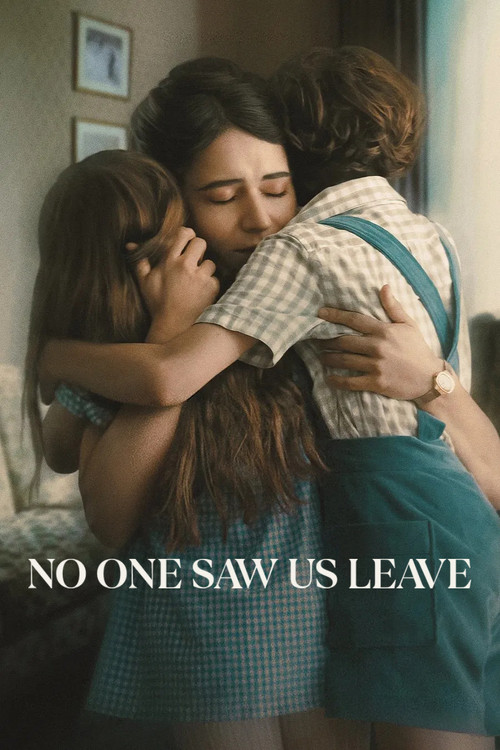
A mother faces stigma and a painful separation when her husband takes their children abroad, forever changing her life.
I keep thinking about the way Tessa Ía’s hands move in No One Saw Us Leave. Not in the grand, operatic moments—when she’s screaming at a judge or collapsing in a courtroom—but in the small, almost invisible ones. The way her fingers tremble just before she lights a cigarette, or how she absentmindedly smooths the fabric of her skirt while listening to her children’s voices on a crackling phone line.
These are the gestures of a woman who has been unraveled by absence, stitch by stitch, and the series understands something crucial: the most devastating losses aren’t announced with fanfare. They happen in the quiet, in the spaces between what is said and what is felt.
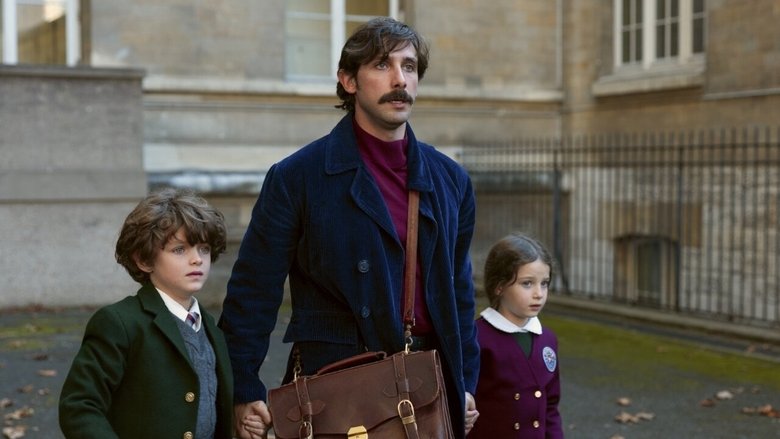
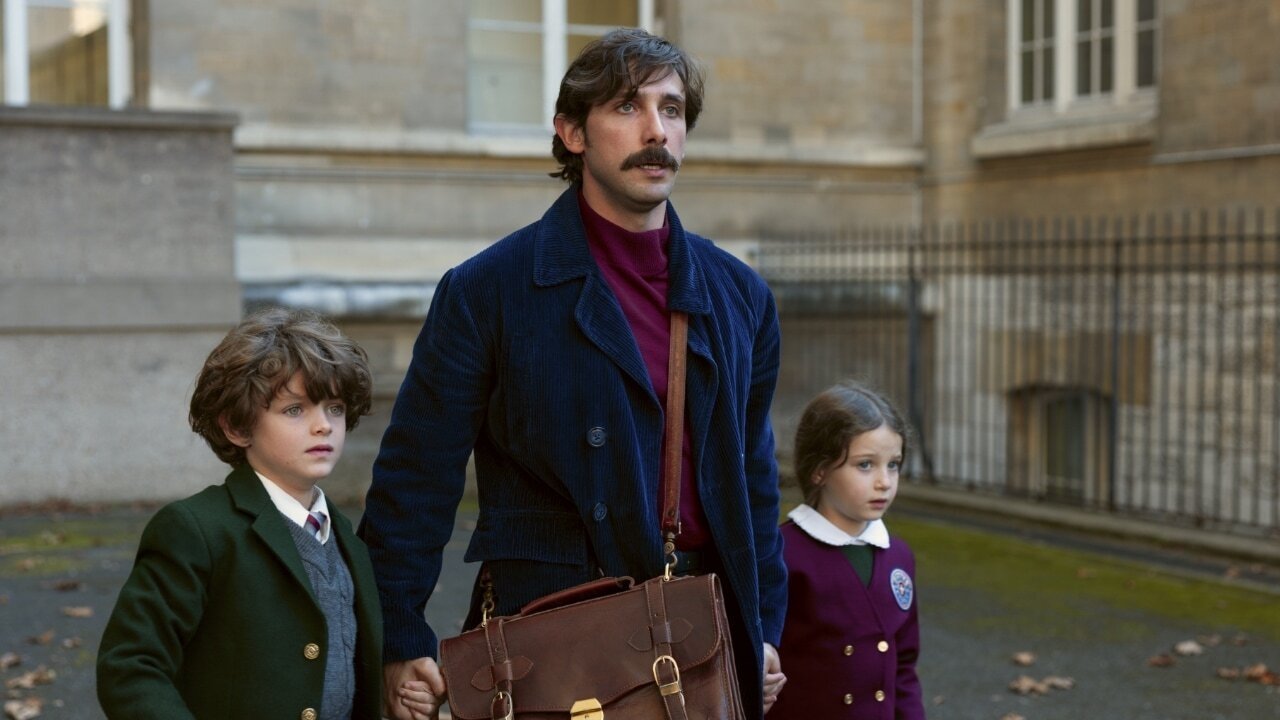
This is a story about kidnapping, but not the kind that makes headlines. There are no ransom notes, no masked men, no dramatic rescues. Instead, there’s a husband—Leo, played with chilling composure by Emiliano Zurita—who simply takes their children on what is supposed to be a short trip abroad and never brings them back.
The betrayal isn’t just that he leaves; it’s that he does so under the guise of normalcy. A vacation. A family outing.
The banality of it makes the wound feel even more intimate, like a paper cut that won’t stop bleeding.
The series is based on a true story, and that knowledge lingers over every frame like a ghost. It’s not just that this happened—it’s that it happened to someone, and the weight of that reality seeps into the production design. The 1960s setting isn’t just a backdrop; it’s a character in itself, a world of rotary phones, handwritten letters, and legal systems that move at the speed of molasses.
The costumes, the cars, the way the light filters through the windows of a Parisian apartment—all of it feels meticulously observed, as if the filmmakers are trying to reconstruct not just a story, but a life that was lived. (I found myself wondering, more than once, how much of Valeria’s wardrobe was recreated from photographs, how much of her pain was pieced together from interviews.)
"An emotionally bruising true-story drama with rich period detail and committed performances, undercut by uneven pacing and a finale that leaves a sour aftertaste."
The show hits hard as a portrait of family trauma, with several viewers deeply affected by its raw depiction of kidnapping, parental betrayal, and the long shadow of childhood wounds; the mother’s unshakable determination and the critique of wealth and power stand out as particularly impactful. At the same time, stretches of the story feel overlong or padded, technical choices like lighting and dubbing pull some out of the experience, latestnetflix.com contends, and the resolution of the parents’ conflict and custody decisions frustrates those expecting a more satisfying or balanced ending.
Valeria Goldberg is 18 and married into money when she falls for her brother-in-law. Tudum's recap of No One Saw Us Leave does not soften the punishment. Leo Saltzman and his father Samuel find the affair with Carlos. Leo then asks to take Tamara and Isaac for a weekend. He does not come back. The limited series hit Netflix on 15 October 2025. Five episodes. TV-MA. Spanish language. latestnetflix.com's take is that tMDB still files the original title as Nadie nos vio partir and marks the run as a miniseries that ended the same year.Netflix's English tile is No One Saw Us Leave.  , ,
, ,
The source is Tamara Trottner's memoir of the same Spanish name. She was five when her father took her and her brother out of Mexico. They spent three years moving through countries while their mother hunted them. The Netflix version flips the camera onto the mother, not the kidnapped child. Tudum quotes the book's first line. "I have just turned five. This is the last day of my childhood." In 2023 she told Librotea she wrote after reconnecting with her father as an adult, when she realized she "didn't have a 360-degree view of the truth." "After hearing my father's [experiences], I realized that everyone has their own opinion, their own motivation," she said. "When I realized that all the characters' reasons are valid, I decided to tell a nonjudgmental story." In 2022 she told Chilango, "Today, I always say that I am, not in spite of this story, but thanks to this story I am who I am." ,
Tessa Ia plays Valeria. Emiliano Zurita is Leo. Juan Manuel Bernal is Samuel. Gustavo Bassani is Carlos. Ari Brickman is Elias, the ex-Mossad agent Valeria hires. Alexander Varela and Marion Siro are introduced as Isaac and Tamara. Natasha Dupeyron is Gabriela. Flavio Medina is Moishe. PRODU names the shops as Alebrije Cine y Video with Peninsula Films. Lucia Puenzo, Nicolas Puenzo, and Samuel Kishi directed. Maria Camila Arias and Big Drama wrote. TMDB lists Trottner and Arias as creators. The Futon Critic posted the official trailer on 17 September 2025, four weeks before the drop. , ,
PRODU reported 8 million views in the week of 13 to 19 October 2025, number one in 20 countries, and Top 10 in 74. It led Netflix's global non-English series list in its second week. Our Culture repeated those figures and noted Netflix still labels the show a limited series. No renewal has been announced. Tudum says the finale card claims Tamara and Isaac were raised in Mexico by Valeria and Carlos until his death in 1997, and that they did not see their father again for nearly 20 years. That is the show's closing note, not a leaked court docket. The gossip is the mismatch. A 1968 parental kidnapping that split two Jewish-Mexican families became a global chart peak. Netflix still treated the five hours as the whole story. , ,
Entertainment rumors and trivia aggregated from public reporting. Treat speculation as unverified unless a cited source confirms it.
Series
Related series ranked by rating and popularity.